
An audiologist’s drive to establish a national hearing protection framework.
By Norma Camacho, Au.D., CCC-A, ABA
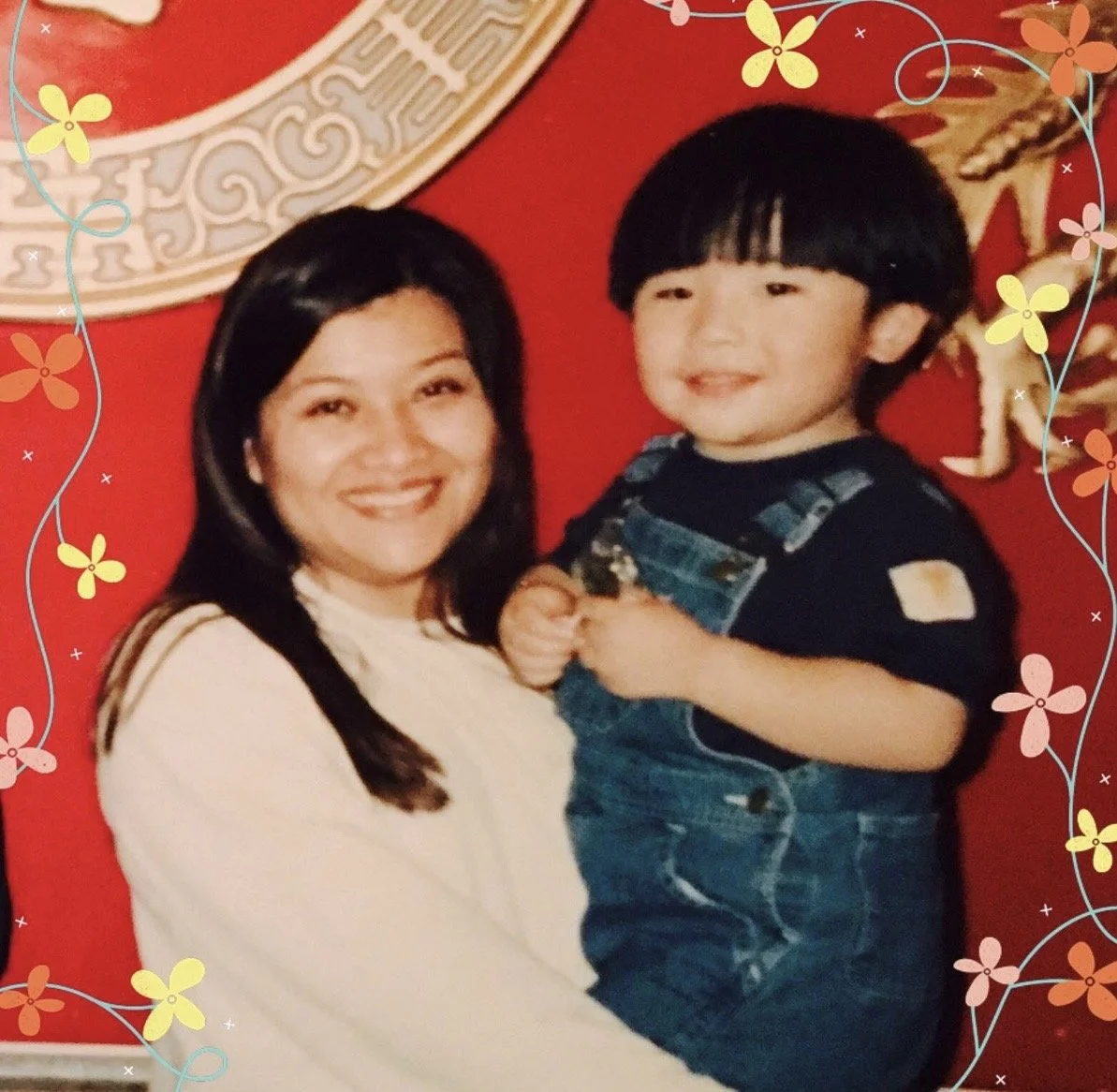
Norma Camacho, Au.D., and her son, who is now in his late 20s.
As a doctor of audiology, a career inspired by my family’s experience with hearing loss, I have spent my career educating patients on how loud sounds damage the delicate hair cells in the inner ear. I have delivered countless lectures on noise-induced hearing loss, explained hidden hearing damage, and warned families about the lifelong consequences of chronic tinnitus.
Yet, despite everything I knew professionally, my own son developed tinnitus from repeated exposure to loud noise.
Like many young people, his exposure accumulated naturally over time: prolonged headphone use while gaming, attending concerts, going to racetracks, lighting fireworks, and enjoying personal audio devices. I had even made him custom musician earplugs. But as a mother balancing graduate school and clinical work, I simply couldn’t be there every moment to remind him to wear them. They sat unused.
It was a painful lesson as both a mother and a clinician: knowledge alone is not enough.
The turning point came during a candid conversation with my son. He told me, “Mom, if there had been signage in these places, I would have remembered to put my earplugs on. Sometimes you just need a reminder.”
He added that he no longer enjoys roller coasters due to motion sickness—a comment that struck a deep chord. Amusement parks routinely post clear, visible warning signs alerting visitors to height requirements, heart conditions, and motion sickness risks.
Why don’t we have those same clear warnings about the permanent risks of excessive noise exposure?
We do not need to stop people from enjoying concerts, sporting events, or video games. We simply need to give them a timely reminder—and the immediate opportunity—to protect their hearing at the exact moment the exposure occurs.
Beyond the Clinic
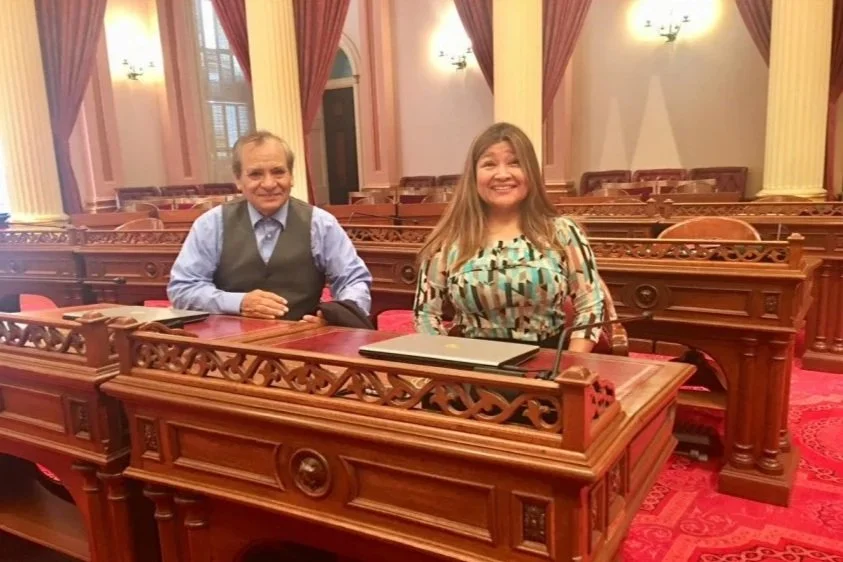
Dr. Camacho traveled to Sacramento to advocate for Let California Kids Hear, legislation that remains pending to provide hearing aid coverage for children in California, as it is mandated in 25 other states.
My drive to establish a national hearing protection framework is the natural continuation of a lifelong commitment to hearing health advocacy at the local, state, and federal levels.
For me, advocacy has always meant stepping outside the clinic doors when an issue demands greater attention. I am proud to share these highlights.
Pasadena and Capitol Hill (2019): As membership chair of the California Academy of Audiology, I began reaching out to members of Congress to elevate hearing health and advocate for official recognition of May as Better Hearing Month. While several representatives submitted video messages of support, Congresswoman Judy Chu attended our recognition event in person. On April 13, 2019, Congresswoman Chu recognized me as Woman of the Year for the City of Pasadena, alongside recognition from Pasadena Mayor Terry Tornek for my community contributions.
Fighting for children’s access in Sacramento (2019): Upon learning that the Let California Kids Hear coalition had a crucial hearing in Sacramento without an audiologist present to represent them, I canceled my clinical appointments for the day. Traveling to the Capitol with my father, I met directly with Senator Anthony Portantino, the chair of the Senate Appropriations Committee. I shared the financial and emotional struggles families face when they cannot afford hearing aids—struggles I saw firsthand in my practice, where I occasionally fitted children for free. Senator Portantino subsequently co-authored landmark pediatric hearing aid coverage legislation (SB 635 with Senator Susan Rubio), laying the groundwork for California’s current Hearing Aid Coverage for Children Program (HACCP).
Professional accountability and consumer protection (2019): I met with Paul Sanchez, the executive officer of the California Board of Audiology and Hearing Aid Dispensers, to address misleading advertising and strengthen consumer protections, holding our field to the highest ethical standard.
Expanding Medicare Access (2019–present): Alongside fellow audiologists, I traveled to the California State Capitol to rally support for Medicare legislation. This work continues today through support for the Medicare Audiology Access Improvement Act (H.R. 2757), which ensures seniors have direct access to comprehensive audiological care.
Beyond the Clinic
In my practice, I see the downstream consequences of unaddressed noise exposure every day. I treat patients struggling with debilitating tinnitus, sound sensitivity, and hyperacusis. I see individuals whose standard audiograms appear completely normal, yet they experience severe difficulty understanding speech in noisy environments due to underlying auditory dysfunction.
Prevention must begin long before someone walks into an audiologist’s office feeling hopeless.
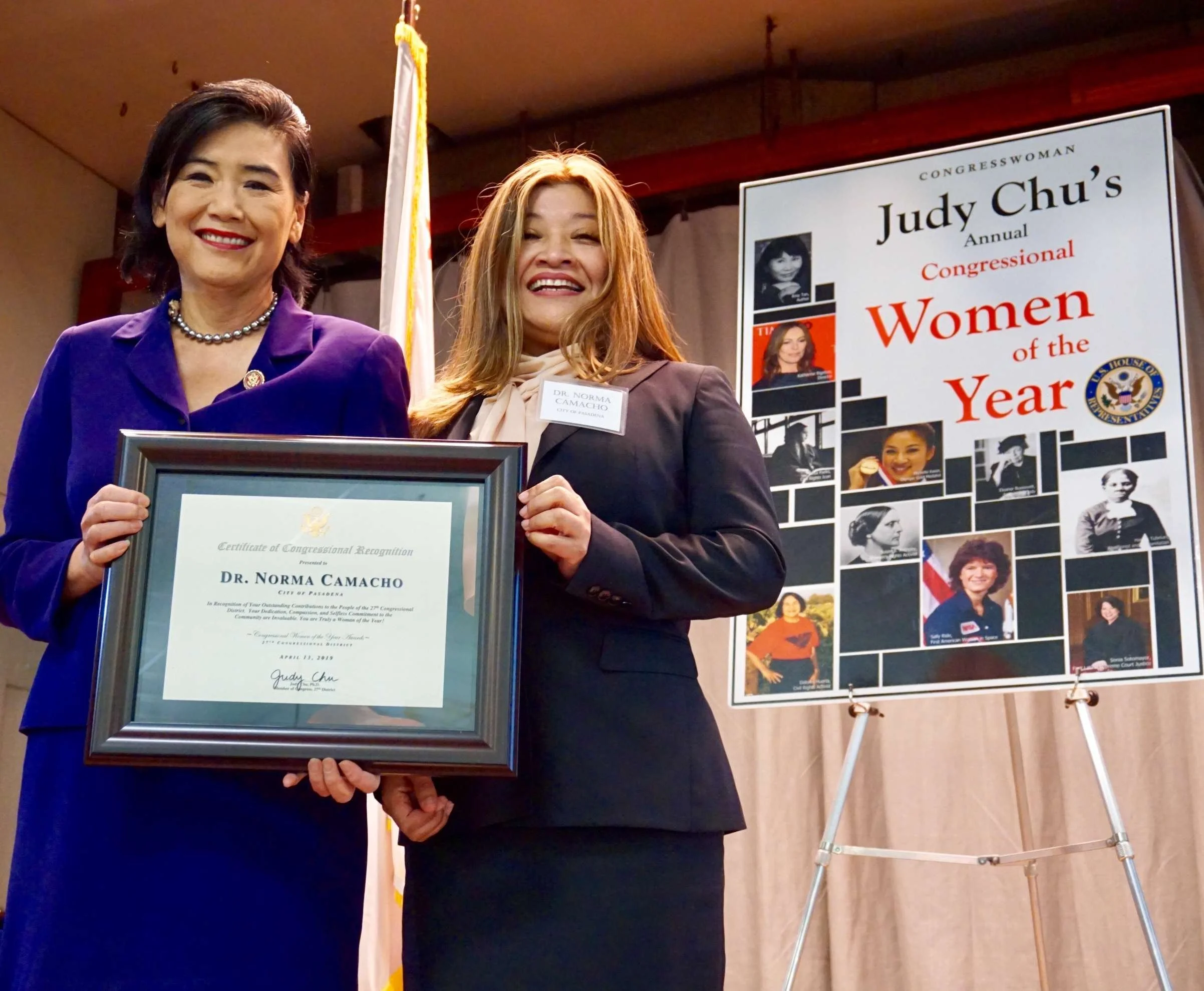
In recognition of her advocacy work, Dr. Camacho was awarded a Woman of the Year certificate in 2019 from Congresswoman Judy Chu in the 27th District of California.
Visual warnings work—we rely on them daily to encourage safer choices in public spaces. A simple, universal visual warning system (like a red, yellow, or green noise-level indicator at a concert venue, racetrack, or theme park) instantly conveys danger, warning, or safety to people of all ages. Combined with access to basic foam earplugs and insertion instructions, a simple prompt can transform behavior.
My journey—from a mother realizing the limits of clinical advice to an advocate fighting for children, seniors, and patient rights—has brought me to this current initiative: the National Hearing Protection and Sound Safety Act.
Our advocacy centers on one fundamental principle: people deserve better access to hearing health, hearing protection, and accurate information before a preventable problem becomes a lifelong disability.
Our goal is straightforward:
Normalize hearing safety: Make inserting earplugs as routine as wearing a seatbelt, a helmet, or sunscreen.
Promote environmental awareness: Place clear, visual signage at high-decibel venues to prompt action at the direct point of exposure.
Establish collaborative policy: Partner with public policy leaders, advocacy groups, and hearing health organizations to establish national standards for noise awareness.
We cannot always be there to tell our children to protect their ears. But together, we can put a reminder right where they can see it.
Based in California, Norma Camacho, Au.D., CCC-A, ABA, is an audiologist with over 20 years of experience and is the principal audiologist at the family-owned Doctors of Hearing Inc.
The Latest Blog Posts
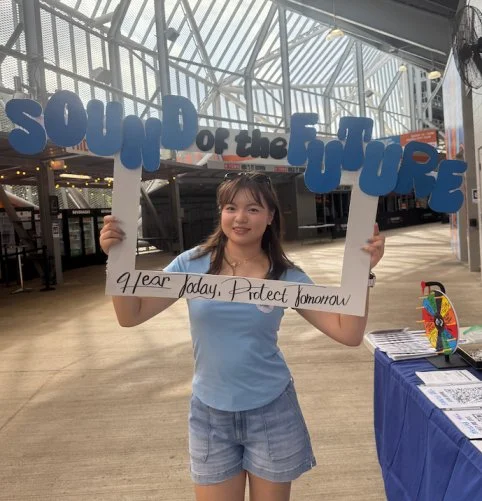



A simple, universal visual warning system (like a red, yellow, or green noise-level indicator at a concert venue, racetrack, or theme park) instantly conveys danger, warning, or safety to people of all ages. Combined with access to basic foam earplugs and insertion instructions, a simple prompt can transform behavior.