
By Jakub Charkiewicz
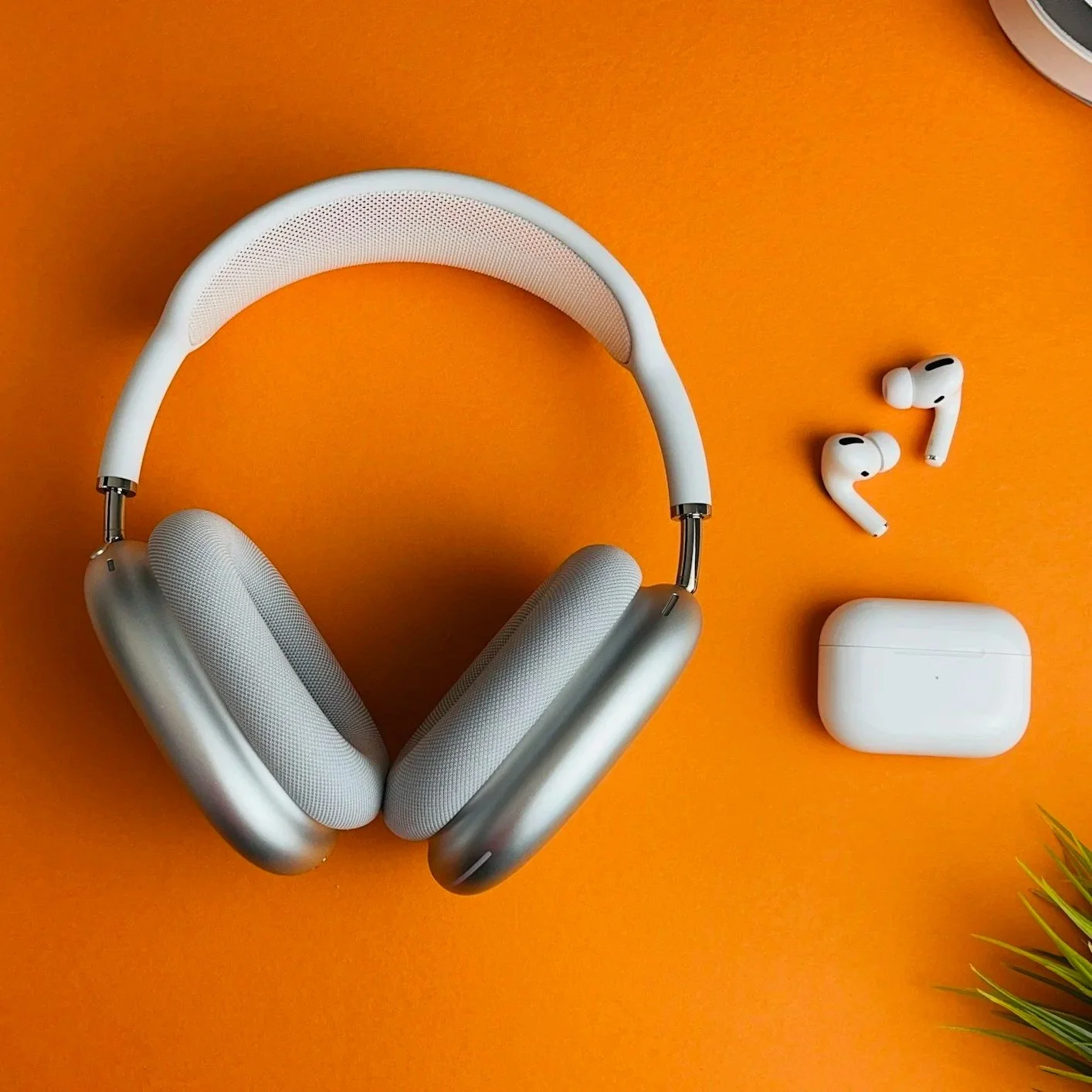
Credit: @justaguyintech/Unsplash
I started The Audio Stuff in 2023 to review headphones and hi-fi gear, and I have been testing headphones and earphones there ever since. The most repetitive part of the job turned out to be the one that changed how I think about hearing. Every time I swap one pair for another, the first thing I do is reach for the volume. Sometimes I nudge it. Sometimes I have to move it a long way.
That’s because the number on the volume slider doesn’t measure loudness. It measures how much signal your phone or player sends out. How loud that signal ends up in your ears depends on what’s plugged in, and headphones are far less alike than most people expect.
Same Setting, Very Different Sound
Two pairs I have reviewed show the gap well. The HIFIMAN HE400se is a full-size headphone that takes a fair amount of power to get loud. The Simgot EM6L is a small in-ear monitor that needs very little. Going by their published specs, if you plug both into the same phone at the same volume, the EM6L plays more than 10 decibels (dB) louder.
Ten decibels sounds small. But it’s 10 times the sound energy reaching your ear. And because every 3 dB increase halves the time you can safely listen, it also cuts your safe listening time to less than a tenth, if you stay at exactly the same setting.
So when I read advice to keep the volume at 50 percent of maximum, I see it as a good starting point. But it’s not a guarantee. Fifty percent of maximum volume on a power-hungry headphone can be quite gentle. Fifty percent on a sensitive pair of earbuds, plugged into a strong source, can be loud enough to permanently harm hearing.
Why I Built a Calculator
I have a lifelong interest in science and physics, so I wanted a way for anyone to check this without owning a sound meter. That became a free safe headphone volume calculator. You pick your headphone from the list, or type in the sensitivity from its spec sheet, choose what you’re listening on and set your usual volume.
The calculator then estimates the level reaching your ears in decibels and how long that’s safe to listen to each day. It runs in your browser, with no account needed and nothing to install.
It’s an estimate based on the specs, not a measurement, and it leans cautious for music. What it does is turn “about half volume” into a number you can compare with real safety limits.
Habits Matter More Than Any Number
Numbers help, but habits do most of the work, and Hearing Health Foundation’s 3 D’s are an easy way to remember them: decibels, duration, and distance.
Decibels: Turning it down even a little helps your hearing a lot. Lowering the volume by just 3 dB, a small change you will barely notice, cuts the risk in half. And if it sounds too loud, it is too loud.
Duration: The longer you listen, the lower the volume should be. Take breaks in quiet, at least once an hour.
Distance: Sound drops by about 6 dB every time you double your distance from the source. At a concert or music festival, a few steps back from the speakers is one of the easiest ways to protect yourself. This SPL distance calculator that I also built shows how quickly the level falls. (SPL stands for sound pressure level.)
A few more things reviewing has taught me:
Set a limit once instead of watching it every day. On an iPhone, Settings > Sounds & Haptics > Headphone Safety has a Reduce Loud Audio option that caps headphone volume at a level you choose. Many Android phones have a similar volume limiter. It’s most accurate with the phone maker’s own earbuds, because the phone knows how loud they play. With other headphones it has to estimate, so treat it as a ceiling and let your ears have the final say.
Count the whole day, not just your headphones. Your ears add up everything: the commute, a loud restaurant, a gig, the leaf blower next door. The familiar 85 dB limit is a workplace limit built around an eight-hour shift five days a week, and it doesn’t account for the noise we choose, or can’t avoid, the rest of the time, 24/7.
Be stricter with kids. Many headphones sold as safe for children are capped at 85 dB, the same adult workplace figure. The global safe listening standard from the World Health Organization and the International Telecommunication Union uses a lower reference for children and other sensitive listeners, 75 dBA for 40 hours a week, compared with 80 dBA for adults. Because our ears have to last a lifetime, let’s be smart about limiting noise exposure at young ages.
Carry earplugs. Basic foam earplugs are cheap, and a pair in every bag or jacket pocket means a loud event never catches you unprotected.
Reviewing headphones has made me more careful than I expected. I still listen to a lot of music, but I’ve stopped trusting the slider. Instead, I trust my ears when something feels too loud, and I check the numbers when I’m not sure. Noise-induced hearing loss is permanent, but it’s also preventable, and most of the prevention comes down to turning it down even a little and giving your ears regular breaks in quiet.

Jakub Charkiewicz is the founder of The Audio Stuff, an independent website based in Warsaw, Poland, that reviews headphones, speakers and hi-fi gear. See his safe headphone volume calculator.
The Latest Blog Posts




Fifty percent of maximum volume on a power-hungry headphone can be quite gentle. Fifty percent on a sensitive pair of earbuds, plugged into a strong source, can be loud enough to permanently harm hearing.