The mission of Hearing Health Foundation (HHF) is to prevent and cure hearing loss and tinnitus through groundbreaking research and to promote hearing health.
HHF is the largest nonprofit funder of hearing and balance research in the U.S. and a leader in driving new innovations and treatments for people with hearing loss, tinnitus, and other hearing and balance disorders.
Recent Updates
Most people don’t think about protecting their hearing until it’s too late. Every concert, loud commute, and noisy day adds up—and there’s no undo button.
My brain now makes up music with a drone tone mostly in the key of D, pounding rhythms, melodies, and harmonies often in different keys.
When routine checkups missed our daughter’s hearing loss, we realized how families navigating an invisible disability can fall through the cracks. So we started to build the tools to help them.
Eventually I discovered something different: Living with chronic illness is about adapting to a new rhythm with your body. Here’s what I’ve learned.
While you can buy OTC hearing aids without a test, or use free online screening tools, I strongly recommend a comprehensive, in-person exam. A professional evaluation includes a physical inspection of your ears to catch hidden medical issues.
One of the biggest sources of encouragement during those intense months after getting Shepherd’s diagnosis was hearing the stories of other families who had walked a similar path.
Cochlear implantation (CI) has become an increasingly common audiological solution for children with the most significant degree of unilateral hearing loss—that is, single-sided deafness (SSD)—however, highly variable outcomes are being observed with alarming rates of device nonuse.
In theory, advanced hearing aid features are laudatory for sure, but what about affordability? Aren’t advances in technology supposed to lower prices, not increase them?
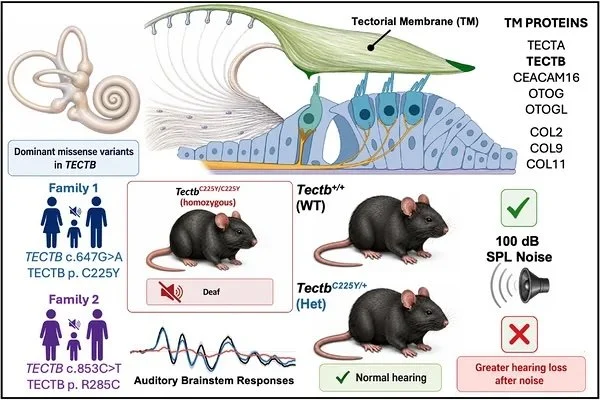
A new study suggests that variants of a single gene may alter inner ear development decades before symptoms begin.

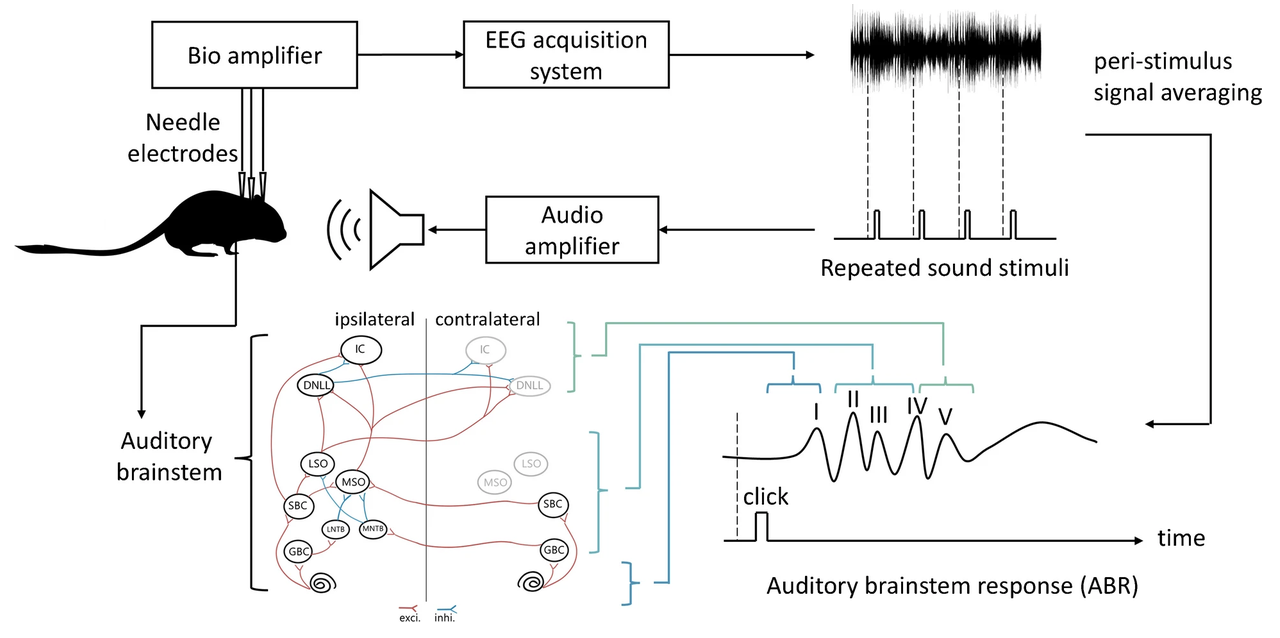
With support from an R21 grant from the NIH, Hui Hong, Ph.D., will investigate how the auditory efferent system changes after noise-induced hearing loss and whether those changes help or hinder recovery.