
By Míra Podorský
I believe captions should be a routine part of going to the theater. For someone who is deaf or hard of hearing, knowing they can follow a performance is part of choosing what to see.
I’m a product designer, and my connections with theater professionals drew my attention to the work behind captioning. Preparing captions can take days. During the show, someone usually has to advance them line by line.
For a theater already working with a tight budget, adding another person to every performance can be difficult. Just for a reference, surtitling (displaying supertitles) at the Festival d’Avignon costs €60,000 to €70,000 (roughly $67,200 to $78,400).
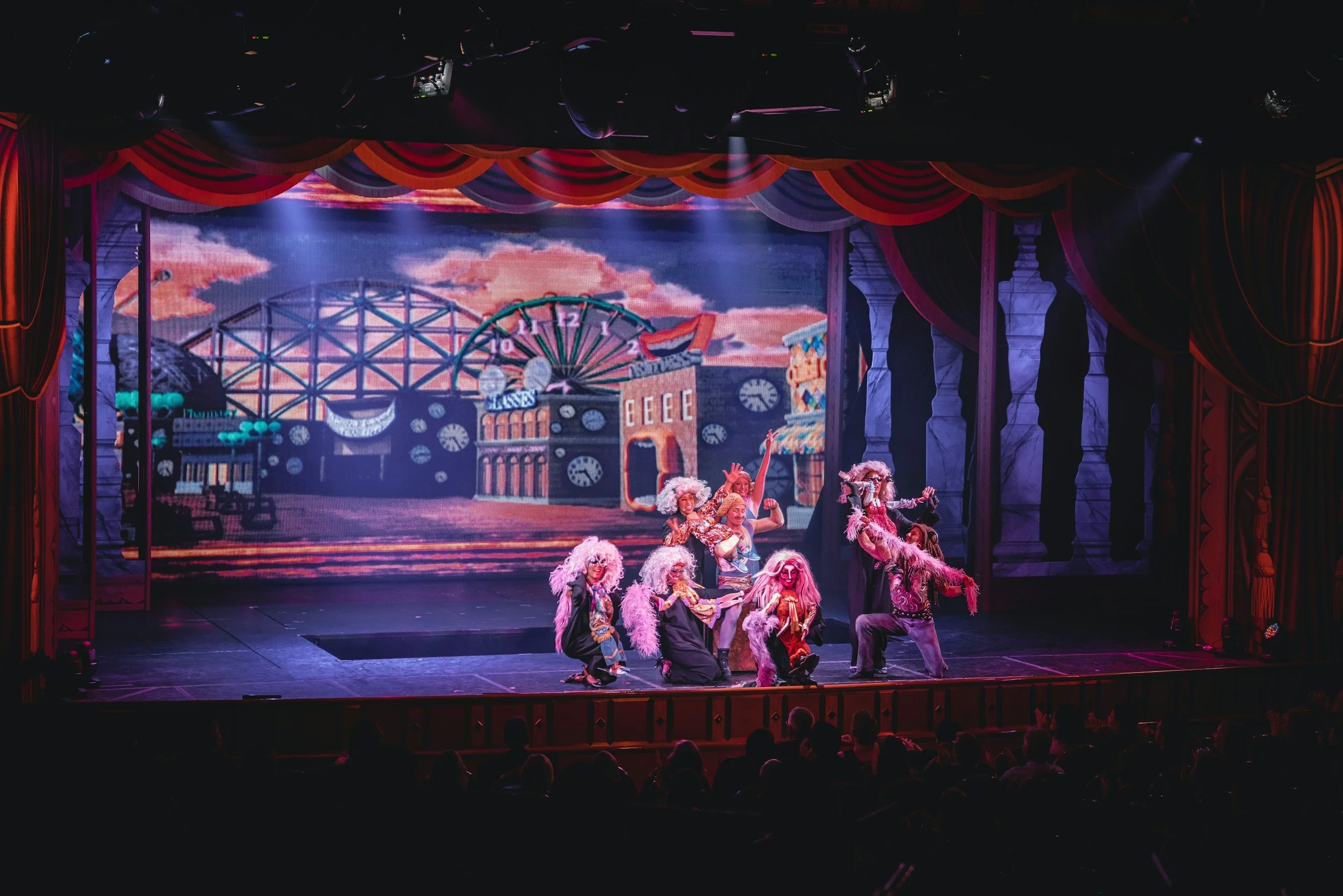
Credit: @yiranding/Unsplash
This is the problem we set out to address in 2023, following an earlier project I began in 2017.
What matters to me is that a performance reaches the people who have come to see it. Hearing loss, an unfamiliar language, or difficulty concentrating can all get in the way. Having the words available to read can make a difference.
We began with the preparation. A theater uploads its script, and digital tooling automatically identifies the spoken lines and divides them into captions. Someone can go and make a coffee while it works, then return to text ready to check and edit. Instead of spending days copying and formatting dialogue, they can spend that time reviewing it and preparing any translations.
The next challenge is keeping the captions in time with the actors. Theaters can operate them manually, or choose automatic switching. For the automatic option, one or more microphones pick up the actors’ lines and send the sound into the software. The system matches those lines to the prepared script and advances the captions. Someone can still keep an eye on it and step in manually whenever needed, without having to press “next” for every line.
There is also an option for people who want to hear a spoken version of the captions through headphones (or a hearing aid equipped with Bluetooth). In this case, the translated dialogue is prepared as audio before the show, using natural-sounding AI voices. Staff can give each character a different voice, choosing ones that are close to the actors’ own. This helps listeners to understand who is speaking.
Written captions can appear on a theater’s screen or on audience members’ phones and tablets via a dedicated mobile app available for iOS and Android, provided the theater offers the service for that performance. Using audiences’ own devices means there is no need to install and maintain a caption display at every seat.
I’m interested, too, in what regular captioning could do for a theater’s finances. If more people can attend, and know that captions are available, there is an opportunity to fill more seats. That income could help make a production possible that the company could not otherwise afford.
For audiences, I hope it means being able to book a show they want to see on a date that suits them, together with friends or family. That everyday freedom is what I want this work to support.
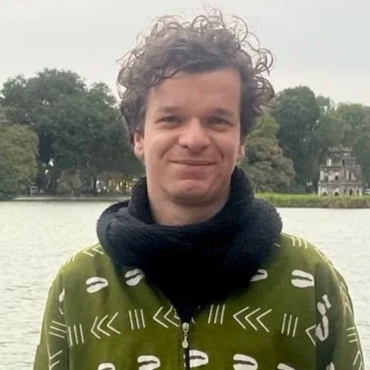
Míra Podorský is the co-founder of Captitles, based in Prague.
The Latest Blog Posts


I’m a product designer, and my connections with theater professionals drew my attention to the work behind captioning. Preparing captions can take days. During the show, someone usually has to advance them line by line.