Challenges: A Sibling’s Perspective

By Joe Mussomeli

Everyone has challenges in their life; they can be small or big, but they’re still challenges. My brother, Alex, was born with severe hearing loss—the first in my family to have the honor.

Alex’s diagnosis marked the start of very stressful period for our family. It took some time for my mother to process his hearing loss, but both of my parents quickly recognized the importance of helping Alex get access to sound as soon as possible. They equipped Alex with hearing aids before three months old and our journey began.

Alex and Joe Mussomeli Snow.png

I don’t remember too much of the details, as I was only two years old at the time, but I was told that my parents spent many nights with Alex, practicing the sounds of letters, and making sure he could distinguish and pronounce each of them correctly.

What I do remember is initially feeling left out as a little kid. At first, all of my parents’ time was occupied by Alex. At 15 years old, this is understandable to me now, but as a little kid it wasn’t. My parents picked up on my feelings and began to make sure I wasn’t left out. They did their best to make sure I was involved and helping Alex. They taught me how to practice sounds with Alex, how to change his hearing aid batteries, and most importantly, how to be there for him when he needed me most.

Today, whenever I think of my brother Alex, I rarely think about his hearing loss. I almost always think of him as just Alex—not Alex with hearing loss or anything like that. I’ve almost always treated him the way any other older brother would treat their younger brother. We roughhouse, tease each other, laugh together (mostly at each other), and most importantly, we care for each other.

Alex has been in my life so much that by now I barely notice his cochlear implant on his right ear, or his hearing aid on his left. To me, they’re just ears, just like Alex is just Alex.

But there are certain times when his hearing loss is very evident to me, like when he takes off his hearing aid and implant and can’t hear my mom call him for dinner or answer a question I might ask him.  

These moments by now are part of our daily routine. They’re small and I don’t think about them often, but when they happen, they remind me how lucky I am. How I’m able to hear our mom call us for dinner without devices. How I can tell my dad I love him back when he says it, without taking the time to put on a hearing aid or implant. Thinking about this doesn’t make me pity Alex, it makes me admire him. I admire his strength and I admire how he doesn’t let hearing loss bring him down.

Alex’s hearing loss started out as a struggle, but it wound up bringing my brother and me closer together. I wouldn’t be as close with Alex as I am today if I never helped him overcome the challenges he faced with hearing loss. Challenges are tough and hard to deal with at times, but overcoming those challenges are even harder. If someone can overcome the challenges that life throws at them, then they can do anything.

Joe Mussomeli is an upcoming 10th-grade student who lives in Westport, CT. His younger brother, Alex, has been featured in Hearing Health magazine and is a participant in HHF’s “Faces of Hearing Loss” campaign.


Print Friendly and PDF

BLOG ARCHIVE

Age Effects on Speech Recognition

Age-related changes in perceptual organization have received less attention than other potential sources of decline in hearing ability. Perceptual organization is the process by which the auditory system interprets acoustic input from multiple sources to create an auditory scene. In daily life this is essential, because speech communication occurs in environments in which background sounds fluctuate and can mask the intended message.

Perceptual organization includes three interrelated auditory processes: glimpsing, speech segregation, and phonemic restoration. Glimpsing is the process of identifying recognizable fragments of speech and connecting them across gaps to create a coherent stream. Speech segregation refers to the process where the glimpses (speech fragments) are separated from background speech, to focus on a single target when the background includes multiple talkers. Phonemic restoration refers to the process of filling in missing information using prior knowledge of language, conversational context, and acoustic cues.

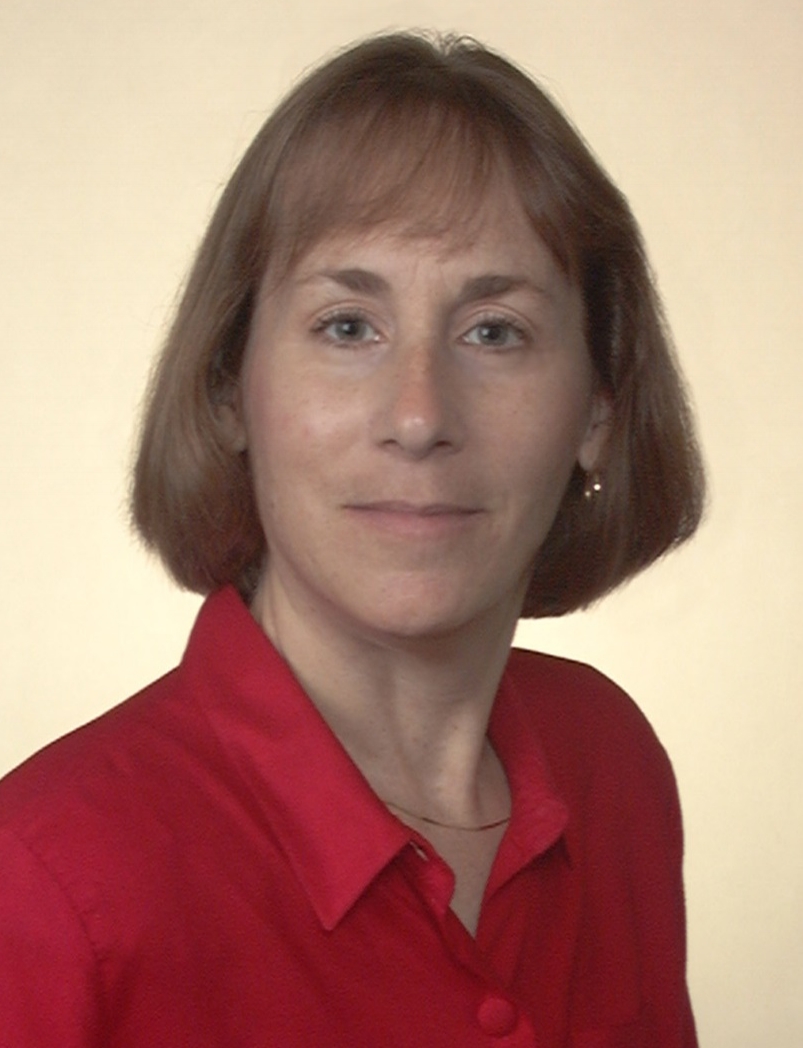
Kenneth Vaden, Ph.D.

Kenneth Vaden, Ph.D.

Judy R. Dubno, Ph.D.

Judy R. Dubno, Ph.D.

A July 2018 study in The Journal of the Acoustical Society of America by William J. Bologna, Au.D., Ph.D., Kenneth I. Vaden, Jr., Ph.D. (2015 ERG), Jayne B. Ahlstrom, M.S., and HHF board of directors member Judy R. Dubno, Ph.D. (1986–88 ERG), investigated these components to determine how their declines may contribute to increased speech recognition difficulty with age. As expected, older adults performed more poorly than younger adults. Older adults were less able to make use of limited speech information and reduced continuity. A competing talker created hearing challenges regardless of age. The study concludes, “Taken together, these results suggest that age-related declines in speech recognition may be partially explained by difficulty grouping short glimpses of speech into a coherent message.” —Elizabeth Crofts 

Print Friendly and PDF

BLOG ARCHIVE

Hearing Loss Film “Hearing Hope” Captures Personal Strength, Scientific Vision

Hearing Health Foundation (HHF) has created a new short film, “Hearing Hope,” to expand awareness of hearing health through the voices of those who benefit from and those who carry out the foundation’s life-changing work.

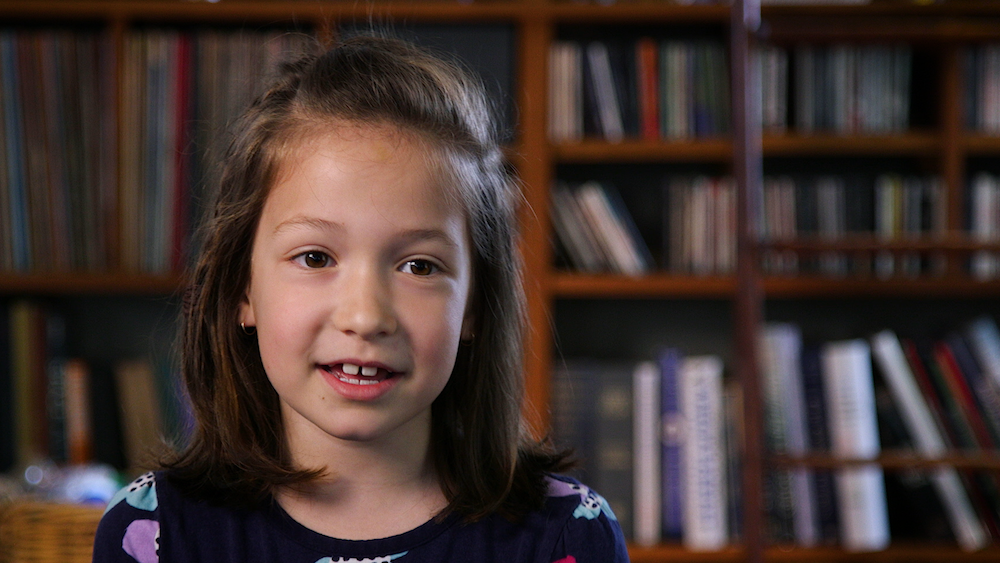
"It took me longer to talk than most kids. Because I couldn't understand what they were saying so I couldn't copy it," explains Emmy, 7.

"It took me longer to talk than most kids. Because I couldn't understand what they were saying so I couldn't copy it," explains Emmy, 7.

The third most prevalent chronic physical condition in the U.S., hearing loss can affect anyone—from first-grader Emmy to retired U.S. Army Colonel John—but its reach is often underestimated. “It’s one of the most common sensory deficits in humans,” explains cochlear implant surgeon Dr. Anil Lalwani. “I think we have to go from it being hidden to being visible.”

Both a hearing aid user and cochlear implant recipient, seventh-grader Alex is doing his part to make hearing loss less hidden. Smiling, he says he wants people to know that hearing with his devices makes him happy. John wishes to be an advocate for veterans and all who live with hearing loss and tinnitus.

When she received her hearing loss diagnosis at 17, NASA engineer Renee never thought she'd be living her dream.

When she received her hearing loss diagnosis at 17, NASA engineer Renee never thought she'd be living her dream.

The film also highlights resilience in response to the challenges associated with hearing conditions. Video participant Renee saw her dream of becoming an astronaut halted at 17 when her hearing loss was detected. Now she helps send people to space as an engineer at NASA.

Sophia describes the “low, low rock bottom” she hit when she was diagnosed with Usher Syndrome, the leading cause of deafblindness. Yet she feels special knowing her disability shapes her and sets her apart.

Jason recounts having no resources for hearing loss in children when his son, Ethan, failed his newborn hearing screening. Today he’s grateful for Ethan’s aptitude for language, made possible through his early hearing loss intervention.

With the support of HHF, more progress is made each year. “I’m glad that the doctors are trying to figure out how fish and birds can restore their hearing,” says Emmy.

For the past 60 years, HHF has funded promising hearing science and in 2011 established the Hearing Restoration Project (HRP), an international consortium dedicated to finding biological cures for hearing loss using fish, bird, and mouse models to replicate the phenomenon of hearing loss reversal in humans.

“If [the HRP] can achieve that goal of hearing restoration...that would be a marvelous thing for hearing loss,” reiterates Dr. Robert Dobie.

Through “Hearing Hope,” HHF would like to share its mission and message of hope to as many individuals as possible and reassure those with hearing loss and their loved ones they are not alone. As an organization that channels all efforts into research and education, HHF would greatly appreciate any assistance or suggestions to increase visibility of the film.

Watch the full film at www.hhf.org/video. Closed captioning is available.

Print Friendly and PDF

BLOG ARCHIVE

Celebrate Founder’s Week Starting August 1

By Nadine Dehgan

This August marks the 100th birthday of Hearing Health Foundation (HHF)’s late founder, Collette Ramsey Baker. She formed our foundation 60 years ago in gratitude for surgery that restored her own hearing. Her legacy lives on as we continue to fund innovative hearing and balance science. HHF exists to better the lives of the millions who live with hearing and balance disorders, and we would like to acknowledge those who are most important to you.

June 1966: Collette Ramsey Baker (left) is presented with an award at the Rotary Club of New York.

June 1966: Collette Ramsey Baker (left) is presented with an award at the Rotary Club of New York.

To celebrate the spirit of Mrs. Baker’s birthday, HHF will dedicate a week to your loved ones and those connected to hearing loss. When you make a gift to HHF between August 1 and August 7 in honor of, or in memory of someone special, we will notify them (or their family) of your generosity and add their name to our “Honor Wall” page. As you share your names and stories, we will see the many faces of hearing loss.

Commemorate the most extraordinary people in your life by participating in Founder’s Week and dedicating a gift to hearing research in their honor.

As always, 100% of your gift will be invested in life-changing research and awareness programs, and you can choose where to direct your donation. Thank you for supporting our important work - we couldn’t do it without you!

Make your tribute gift at www.hhf.org/foundersweek beginning August 1, where you will have the opportunity to tell us who you are recognizing and why and to submit their photo.

Print Friendly and PDF

BLOG ARCHIVE

Understanding a Pressure Relief Valve in the Inner Ear

By Ian Swinburne, Ph.D.

The inner ear senses sound to order to hear as well as sensing head movements in order to balance. Sounds or body movements create waves in the fluid within the ear. Specialized cells called hair cells, because of their thin hairlike projections, are submerged within this fluid. Hair cells bend in response to these waves, with channels that open in response to the bending. The makeup of the ear’s internal fluid is critical because as it flows through these channels its contents encode the information that becomes a biochemical and then a neural signal. The endolymphatic sac of the inner ear is thought to have important roles in stabilizing this fluid that is necessary for sensing sound and balance.

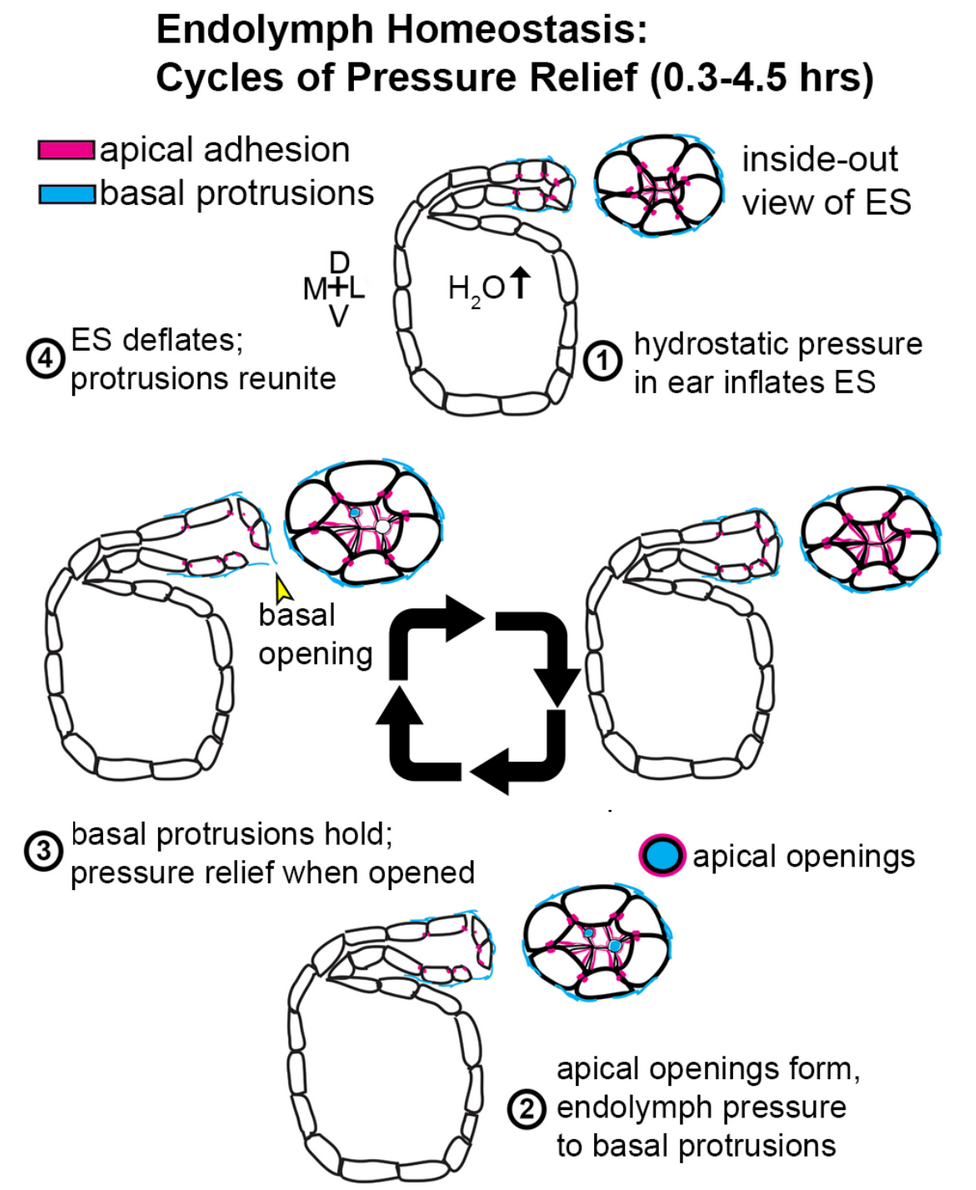
This study helps unravel how a valve in the inner ear's endolymphatic sac acts to relieve fluid pressure, one key to understanding disorders affected by pressure abnormalities such as Ménière’s disease.

This study helps unravel how a valve in the inner ear's endolymphatic sac acts to relieve fluid pressure, one key to understanding disorders affected by pressure abnormalities such as Ménière’s disease.

While imaging transparent zebrafish, my team and I found a pressure-sensitive relief valve in the endolymphatic sac that periodically opens to release excess fluid, thus preventing the tearing of tissue. In our paper published in the journal eLife June 19, 2018, we describe how the relief valve is composed of physical barriers that open in response to pressure. The barriers consist of cells adhering to one another and thin overlapping cell projections that are continuously remodeling and periodically separating in response to pressure.

The unexpected discovery of a physical relief valve in the ear emphasizes the need for further study into how organs control fluid pressure, volume, flow, and ion homeostasis (balance of ions) in development and disease. It suggests a new mechanism underlying several hearing and balance disorders characterized by pressure abnormalities, including Ménière’s disease.

e-news jan 18 - mdg.jpg

Here is a time-lapse video of the endolymphatic sac, with the sac labeled “pressure relief valve” at 0:40.

2017 Ménière’s Disease Grants scientist Ian A. Swinburne, Ph.D., is conducting research at Harvard Medical School. He was also a 2013 Emerging Research Grants recipient.

Print Friendly and PDF

BLOG ARCHIVE

In Memoriam: David J. Lim, M.D.

By Nadine Dehgan

Credit: UCLA Head and Neck Surgery

Credit: UCLA Head and Neck Surgery

We recognize with profound sadness the recent passing of David J. Lim, M.D., who was pivotal to the establishment of Hearing Health Foundation (HHF) and remained committed to our research throughout his life.

As a member of our Council of Scientific Trustees (CST)—the governing body of HHF’s Emerging Research Grants (ERG) program—and as a Centurion donor, Lim worked tirelessly to ensure the most promising auditory and vestibular science was championed.

Prior to his appointment to the CST, “Lim contributed to our understanding of the mechanics of hearing through his excellent scanning electron micrographs of the inner ear,” says Elizabeth Keithley, Ph.D, Chair of the Board of HHF. Lim pursued this critical work in 1970 through his first of many ERG grants.

“Lim was also one of the founding members of the Association for Research in Otolaryngology (ARO) and served as the historian of this esteemed scientific organization,” says Judy Dubno, Ph.D., of HHF’s Board of Directors. “Along with HHF, he cared deeply about ARO and will be missed by many.”

Most recently, Lim was a surgeon-scientist and a director of the UCLA Pathogenesis of Ear Diseases Laboratory, where he was considered an authority on temporal bone histopathology, morphology and cell biology of the ear, and the innate immunity of the middle and inner ear.

We, the HHF community, are grateful to have known and to have benefited from Lim’s wisdom, good humor, and kind spirit. HHF will honor his legacy by continuing our mission, knowing we are indebted to his leadership and dedication to advancements in hearing health.

Print Friendly and PDF

BLOG ARCHIVE

ReSound HearSay: Be The Voice of Hearing

By Tom Woods

"A journey of a thousand miles begins with a single step.” For many individuals who know—or suspect—they have a hearing loss, the first step in their journey to better hearing can prove difficult.

It took more than two years for Francine Murphy of Peoria, Arizona to take action. She says, “I was in denial and I was concerned that it would not help, especially if the sound quality was poor. Start with acknowledging that there may be an issue and start with your family doctor. The best resource I found was my audiologist.”

ReSound hearing aid user Francine Murphy.

ReSound hearing aid user Francine Murphy.

Francine is clearly not alone. For many, the delay is due to uncertainty, apprehension, and lots of questions. In the U.S. alone, more than 25 million people who could benefit from hearing aids have yet to take that first step. 

We believe that hearing is fundamental to life. When it starts to decline, it’s imperative that everyone understands, and has access to, the best hearing technology.

That’s why we created ReSound HearSay, an online resource that gives people who are successfully managing their hearing loss an opportunity to lend their voice to educate and inspire others to seek care.

We think that peer-to-peer information sharing is critical in this learning process.

“Get your hearing tested now,” urges John Chynoweth from Orlando, Florida. “Determine exactly what your hearing is like now (get a baseline). Work with a hearing specialist to determine the environments where you struggle to hear. Try different types of hearing aids to find the right ones for you.”

I’m reaching out to readers of this blog to share their hearing journey. Just like Francine and John, you can help those who are just starting to realize hearing loss or considering a hearing aid, and may be hesitant or unsure where to start.

Tom Woods ReSound.jpg

Through posts, you’ll encourage others into action by addressing common concerns and questions, giving them practical advice to help navigate the process, from diagnosis to hearing aids. And you’ll help them understand the important role of the hearing care professional.

Be the “Voice of Hearing” and help others on the path to better hearing. Please take time today to visit ReSoundHearSay.com to share your insights and experience.

Tom Woods is President, ReSound North America.

Print Friendly and PDF

BLOG ARCHIVE

Advancing Accessibility in the Audiology Profession

By Lauren McGrath

Born with a profound sensorineural hearing loss, Jessica Hoffman, Au.D., CCC-A, never believed she could become an audiologist. In fact, she didn’t consider the profession until her final year as a biopsychology undergraduate at Tufts University.

By then, Dr. Hoffman was the recipient of successful hearing loss intervention and treatment for two decades. Diagnosed at 13 months, she was fitted with hearing aids by age two, practiced speech and hearing at the New York League for the Hard of Hearing (today the Center for Hearing and Communication) until five, and learned American Sign Language (ASL) at 10. She pursued a mainstream education since preschool with daily visits from a teacher of the deaf. Dr. Hoffman received cochlear implants at ages 14 and 24, respectively and, in college and graduate school, enjoyed a variety of classroom accommodations including ASL interpreters, CART, C-Print, notetakers, and FM systems.

Dr. Jessica Hoffman.jpg

After Tufts, Dr. Hoffman worked as a lab technician at Massachusetts Eye and Ear as her interests in studying hearing began to grow. But she doubted her abilities to perform key tasks in audiology, like speech perception tests and listening checks with patients. After speaking with others in the field with hearing loss, she became less apprehensive. Engaging with mentors like Samuel Atcherson, Ph.D., and Suzanne Yoder, Au.D., who have greatly advanced opportunities for individuals with hearing loss in audiology, further cemented Dr. Hoffman’s self-confidence. In 2010, she completed her Doctor of Audiology from Northwestern University.

Today, Dr. Hoffman is happy to work with both children and adults at the ENT Faculty Practice/Westchester Cochlear Implant Program in Hawthorne, NY. She takes pride in helping her patients realize that they are not alone with hearing loss and that technology, like her own cochlear implants, can provide immense benefits to communication. Dr. Hoffman is motivated to help her patients understand that hearing loss does not define who one is and can be viewed as a gain rather than as a limitation.

Dr. Hoffman’s career is not exempt from challenges. Fortunate to receive accommodations as a child and young adult, she is disappointed by the tools that are missing in a field that serves those with hearing loss. Though she credits her own workplace as being very understanding, Dr. Hoffman points out the difficulties she experiences during team meetings and conversations with patients who speak English as a second language. She is grateful to have considerate colleagues who will repeat themselves as needed or offer to facilitate verbal communication with non-native English-speaking patients.

At audiology conferences, however, necessities like CART, FM systems, and/or interpreters are often lacking for professionals with hearing loss. Dr. Hoffman and others with hearing loss in the audiology field have petitioned to encourage accessibility at such events. She has had to take on the responsibility of finding CART vendors for conference organizers to ensure her own optimal listening experience. She reports being brushed off by meeting leaders and a sense of doubt in her abilities and those of her colleagues with hearing loss.

Dr. Hoffman also wishes to see greater accessibility in audiology offices nationwide, including recorded speech perception materials, captioning for videos or TV shows in the waiting room, and email exchanges with patients, rather than phone calls. She’d like all audiology staff to be well-versed in communicating with people with hearing loss and to have a strong understanding of the Americans with Disabilities Act (ADA) as it pertains to hearing loss. Dr. Hoffman also thinks facilities would benefit from hiring ASL interpreters or Cued Speech transliterators as needed. Her ideas would help professionals like her and patients alike.

Accommodations for people with hearing loss and other disabilities in academics, public sectors, and the workforce—audiology included—should be provided without question, says Dr. Hoffman, who has had the burden of reversing many people’s misconceptions about her capability to thrive independently in her career. “The self-advocacy never ends, but it has made me stronger and more confident in my own abilities as a deaf person. I am proud to have a hearing loss because it has shaped me into the person I am today.”

Receive updates on life-changing hearing research and resources by subscribing to HHF's free quarterly magazine and e-newsletter.


Print Friendly and PDF

BLOG ARCHIVE

How One Institution is Changing South Africa’s Approach to Pediatric Hearing Loss

By Vicky Chan

Carel du Toit Center (CDT) has been at the forefront of hearing loss education for the past 45 years—offering a mainstream education and speech development programs for children aging from infancy to 10 years old in Cape Town, South Africa. Although an estimated 6,000 babies are diagnosed annually with permanent bilateral hearing loss in the country, early detection and intervention programs are extremely uncommon. CDT is one of the only institutions in the area that offers an early intervention program for children with hearing loss and their parents.

A young student with hearing loss. Credit: Carel du Toit.

A young student with hearing loss. Credit: Carel du Toit.

Because the damaging effects of hearing loss are widely dismissed by South African legislation, 72% of the nation’s hospitals do not offer any form of hearing tests and fewer than 1% plan to implement newborn hearing screenings. Consequently, 90% of newborns do not have access to a hearing test and families do not receive information about pediatric hearing loss.

Hearing loss is usually detected only after the child’s caregiver notices unusual behavior or speech and language delays. The average age of diagnosis for a child with hearing loss in South Africa is 31 months old, and the typical age at which one is first fitted with hearing aids is 39 months. This is well beyond the critical time period for a child's speech and language development, which depends immensely on the brain’s responses to hearing in the first two years of life.

To help parents understand their child’s hearing loss, the school provides a family-centered early intervention program in their CHAT (Children Hear And Talk) Centre. Coaching families about how to cope with hearing loss is a key component in teaching a child to talk. Parents are encouraged to attend weekly sessions at the CHAT Centre where they are taught to incorporate speech into their family’s daily routine so their child can continue to develop language and social skills at home. The CHAT also provides weekly sessions for children who are too young for school so they can be enrolled in an early intervention program as soon as possible.

“This is your journey with your child and you are absolutely equipped to teach your child to talk through listening,” one teacher says of CHAT. “It may not have been what you were expecting—but embrace it.”

The school employs more than 60 staff, including teachers, early interventionists, social workers, audiologists, psychologists, and speech therapists, who strive to create a natural environment that promotes listening experiences and intensive speech training. Students are fitted with the appropriate hearing technology and learn with the support of the school staff and their parents.

“I had a passion for special needs children and ended up in deaf education,” reflects an CDT educator. Echoing this sentiment, another teacher comments, “Teaching a child a new word or concept everyday makes it very rewarding. You are changing their lives on a daily basis.”

CDT understands that early diagnosis and intervention is the cornerstone for obtaining the best outcome for infants with hearing loss, which is why the center also partners with social services and South Africa’s State Health Department to provide equipment and personnel to test high-risk babies in the largest hospital in West Cape. With a mission to ensure all children in South Africa can function optimally in a hearing world, CDT is making strides to change outcomes for those with hearing loss nationwide.

For more, visit http://careldutoit.co.za/.

Print Friendly and PDF

BLOG ARCHIVE

A Powerful New Bioinformatics Tool

By Stefan Heller, Ph.D.

Our paper describing a new bioinformatics tool—and to showcase the software, a very detailed investigation as to how inner ear hair cells assemble their hair bundles—appeared in Cell Reports on June 5, 2018.

The creation of the CellTrails tool was supported in part by Hearing Health Foundation’s Hearing Restoration Project (HRP) but moreover, it is the product of recognizing existing limitations of data analysis, going back to the drawing board multiple times, and finally getting to a “product” that is going to be the workhorse to analyze a good part of the bioinformatics data that the HRP has been accumulating for years.

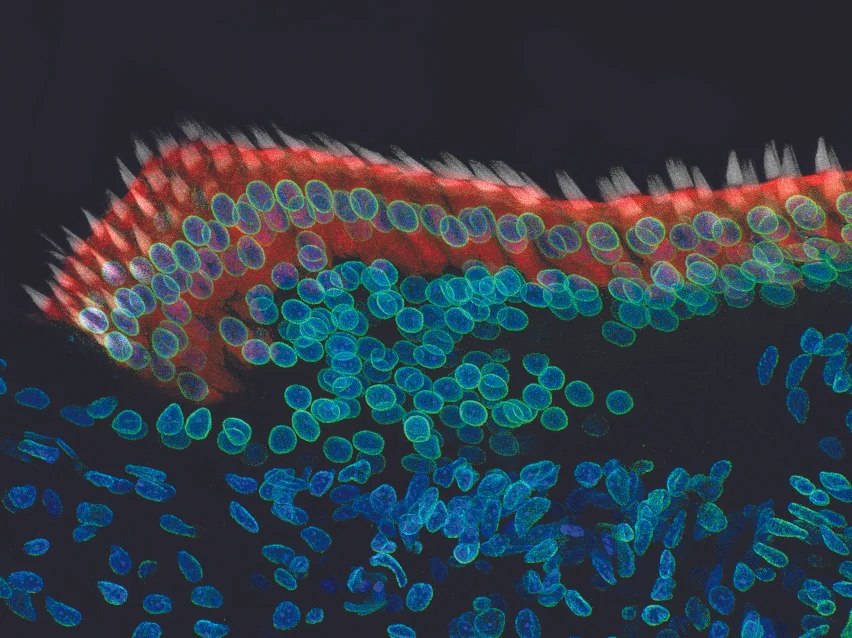
An image taken at 40x magnification using a confocal microscope in the Stefan Heller lab shows a 7-day-old chicken cochlea. Credit: Amanda Janesick, Ph.D.

An image taken at 40x magnification using a confocal microscope in the Stefan Heller lab shows a 7-day-old chicken cochlea. Credit: Amanda Janesick, Ph.D.

The ideas came from conversations between HRP scientific director Peter Barr-Gillespie, Ph.D., and me and our getting stuck with trying to make sense of all the data—so the tool is the direct product of interactions through the HRP.  It follows on our work utilizing single-cell gene expression analysis to examine the genetic instructions allowing individual cells to differentiate (change) into other types of cells, such as inner ear supporting cells that turn into hair cells in species other than mammals, and thereby restoring hearing.

The tool helps us pinpoint where specific single cells are located in an organ, and their trajectories as they undergo transformations, information that was lost or fuzzy before. With it we can create a more robust, visually rendered gene expression landscape. Two postdoctoral fellows in my lab were instrumental in CellTrails: bioinformatics researcher Daniel Ellwanger, Ph.D., the tool’s primary developer, and Mirko Scheibinger, Ph.D., who validated its predictions.

I hope many researchers make use of CellTrails, accessible online, to analyze their own mountains of data. As I told Stanford’s SCOPE Blog, “Single cell transcriptome analysis and reconstruction of spatial and temporal relationships among cells is an exploding new technology. A lot of labs are faced with the challenge of analyzing the data from single cells. This study is a rather extensive study that goes beyond the inner ear field because it provides a new way to analyze single cell transcriptomic data.”

I truly feel that the seeds that were planted years ago are now growing into sizable plants—we have a massive "chick regeneration inner ear plant” that is starting to thrive!

HRP_logo for web.png

Find the tool at hellerlab.stanford.edu/celltrails.

Stanford University’s Stefan Heller, Ph.D., is a member of HHF’s Hearing Restoration Project, where Oregon Health & Science University’s Peter Barr-Gillespie, Ph.D., is the scientific director.

Empower the Hearing Restoration Project's life-changing research. If you are able, please make a contribution today.


Print Friendly and PDF

BLOG ARCHIVE