
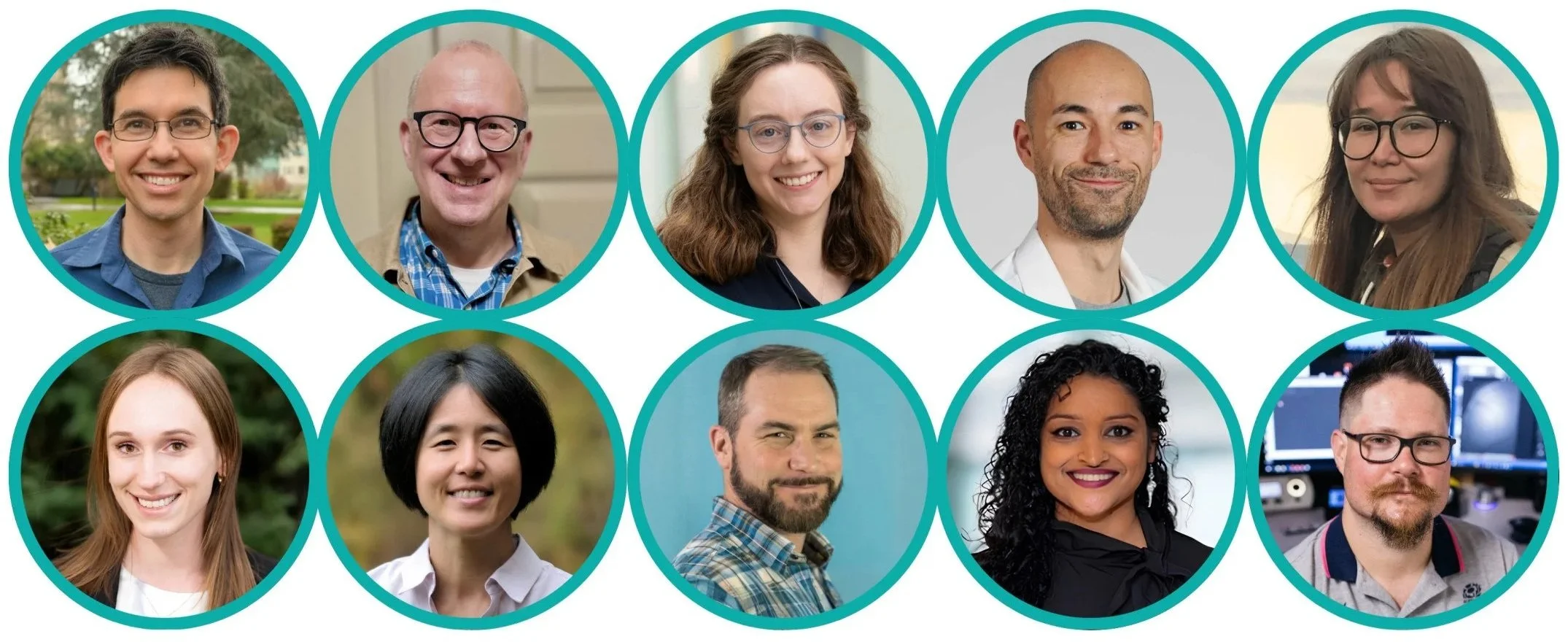
The 2027 first-year Emerging Research Grants scientists are (from left to right, top row): Brad Buran, Ph.D., Douglas Epstein, Ph.D., Jenelle Feather, Ph.D., Paul Gratias, Ph.D., and Marina Kabirova, Ph.D.; (bottom row) Jacie R. McHaney, Ph.D., Lina Reiss, Ph.D., Mark A. Rutherford, Ph.D., Kirupa Suthakar, Ph.D., and Ross S. Williamson, Ph.D.
Each October Hearing Health Foundation (HHF) is pleased to announce our newly funded Emerging Research Grants (ERG) scientists. We thank our scientific reviewers and Council of Scientific Trustees for their role in determining the awardees, and our generous funders for their support of research. Read about all the first-year and second-year awardees and their projects.
Applications for the 2027–2028 Emerging Research Grants cycle are open! Letters of Intent are due Monday, December 7.
Watch: Hearing Restoration Project webinar update from HRP scientific director Lisa Goodrich, Ph.D.
Listen: ERG scientist Ross Maddox, Ph.D., on the tiny click that screens newborn hearing (also available here)
From our friends at Quiet Communities: Data Center Noise, their just-launched science-based resource hub
Plus:
A childhood hearing loss inspires this teen to teach healthy hearing habits
Is 50 percent volume safe? This headphones reviewer weighs in
Witnessing her son’s tinnitus, an audiologist suggests a national framework for hearing protection
Instead of yelling, let’s communicate better and making captions an ordinary part of going to the theater
What if we thought about noise exposure like sun exposure: “otoaging”
HHF’s Impact 2026 Progress Report
Read summaries of all of our Emerging Research Grants and Hearing Restoration Project scientists’ publications over the past fiscal year.
Planned Giving Matching Challenge
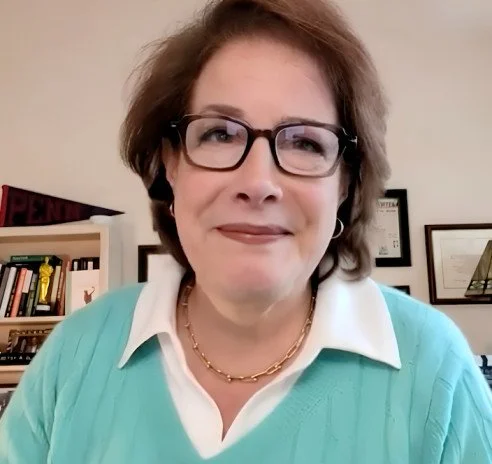
If you have been thinking about how to leave a lasting legacy to the causes you believe in, right now your planned gift to HHF will be matched with our $1 million match challenge. Join Betsy (pictured) in supporting future hearing and balance research. Watch her testimonial.
Around the Web:
A new push to make hearing screening routine at 50 and study strengthens case for earlier hearing loss intervention in cognitive health (Hearing Health & Technology Matters), and what if we treated hearing like any other metric of health? (Johns Hopkins University)
Newly discovered hair cells on squid may offer clues to understand hearing loss in humans (Case Western Reserve University), two new birds louder than jackhammers just dropped (404 Media), and earwax is both slippery and sticky—this weird combo might lead to safer insect repellents (The Conversation)
Electric vehicle design triggers motion sickness: how torque, regenerative braking, and quiet cabins cause passenger nausea (The Guardian)
4 surprising things people don’t realize can mess with their hearing (NY Post) and the five common medicines that could be harming your hearing (The Independent)
New genetic insights could help detect hearing loss earlier (Vanderbilt University) and why does hearing loss affect men, women differently? (Dallas Morning News)
Early-onset Alzheimer’s disease shows different warning signs from established risk factors (MedicalXpress) and hearing aid use linked to lower mortality in large multinational study (HearingTracker)
AAO-HNS Tinnitus Guideline Summary (AAO-HNS), updated guideline supports a personalized, evidence-based approach to tinnitus (MedicalXpress), Lenire tinnitus device joins U.S. ENT guidelines as an option doctors may offer for bothersome ringing (Medical Daily), study strongly links blood prestin with tinnitus (University of Connecticut), and three audiologists address the effects of tinnitus on work and sleep (HearingTracker)
Hearing aid technology has never been better, paying for it is still the hard part (Tech Times), bill to extend Medicare benefits for hearing reintroduced in House (The Hearing Review), and hearing aid coverage expands for children but declines among older adults (HHTM)
I can hear everything (The New York Times), inside the AI engines powering 2026’s premium hearing aids (The Hearing Review), and my husband left me after I went deaf, but my support dog has restored my confidence (The Telegraph)
Bridging mechanistic evidence and clinical perspectives: traditional Chinese medicine in Ménière’s disease (Frontiers in Neurology)
International Misophonia Foundation launches free, searchable research database (The Hearing Review)
The brain injury that made Edward Freytag a musical genius (The New York Times)
Products and services are not endorsed by Hearing Health Foundation. Links provided are for informational purposes only, may require registration or subscription, and may expire.
