New Insights into the Development of the Hair Cell Bundle

By Yishane Lee

Recent genetic studies have identified that the protein Ripor2 (formerly known as Fam65b) is an important molecule for hearing. It localizes to the stereocilia of auditory hair cells and causes deafness when mutations disrupt its function.

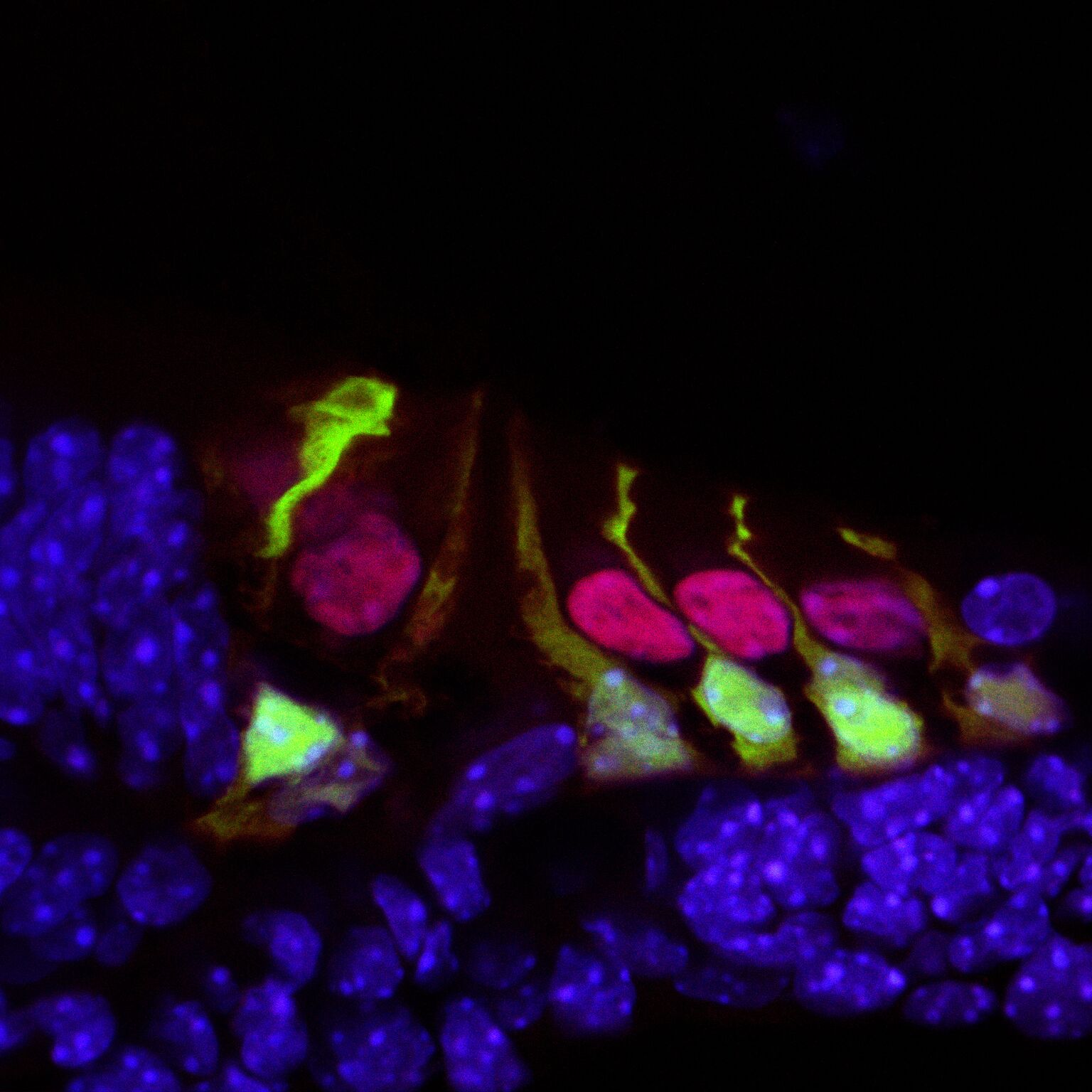
In a study published in the Journal of Molecular Medicine in November 2018, Oscar Diaz-Horta, Ph.D., a 2017 Emerging Research Grants (ERG) scientist, and colleagues further show the role the protein plays by demonstrating how it interacts with other proteins during the development of the hair cell bundle. The team found that the absence of Ripor2 changes the orientation of the hair cell bundle, which in turn affects hearing ability.

Ripor2 interacts with Myh9, a protein encoded by a known deafness gene, and Myh9 is expressed in the hair cell bundle stereocilia as well as its kinocilia (apices). The team found that the absence of Ripor2 means that Myh9 is low in abundance. In the study, Ripor2-deficient mice developed hair cell bundles with atypically localized kinocilia and reduced abundance of a phosphorylated form of Myh9. (Phosphorylation is a cellular process critical for protein function.)

chi (1).png
Diaz-Horta MTR.jpeg

Another specific kinociliary protein, acetylated alpha tubulin, helps stabilize cell structures. The researchers found it is also reduced in the absence of Ripor2.

The study concludes that Ripor2 deficiency affects the abundance and/or role of proteins in stereocilia and kinocilia, which negatively affects the structure and function of the auditory hair cell bundle. These newly detailed molecular aspects of hearing will help to better understand how, when these molecular actions are disrupted, hearing loss occurs.

A 2017 ERG scientist funded by the Children’s Hearing Institute (CHI), Oscar Diaz-Horta, Ph.D., was an assistant scientist in the department of human genetics at the University of Miami. He passed away suddenly in August 2018, while this paper was in production. HHF and CHI both send our deepest condolences to Diaz-Horta’s family and colleagues.

We need your help supporting innovative hearing and balance science through our Emerging Research Grants program. Please make a contribution today.


 
 
Print Friendly and PDF

BLOG ARCHIVE

How Ménière's Led Me to a Master’s

By Anthony M. Costello

Ménière's disease initially presented itself to me 20 years ago in a violent and unfortunate manner. I was 16 attending a New England boarding school when I experienced a vestibular (balance) episode, and it changed my health and life forever.

I remember vividly the vertigo that, without warning, controlled me. I remember the incredible pressure and fullness in my ears and the overwhelming sense of nausea. Realizing I could not stand I sought refuge in my bed, where the sensation of spinning intensified and I vomited profusely.

The school staff could only assume I was intoxicated and took disciplinary action. As I could not yet explain or understand that my behavior was caused by Ménière's disease, I had little recourse to justice. Faced by more unfair treatment, I left the school at the end of the academic year.

For the remainder of high school, I continued to struggle with bouts of vertigo, dizziness, and imbalance. These symptoms impacted my athletic performance, my ability to concentrate on my schoolwork, and my general quality of life. It was a difficult and confusing time as I appeared fine on the outside but I was internally battling a miserable existence that I could not fully understand or control. That paradox has since defined my life.

Shutterstock

Shutterstock

When I received a formal diagnosis, my thoughts, priorities, and routines obsessively revolved around managing my wellness. This new mindset made it difficult to relate to the life I once had or to the lives of those around me. I made great efforts to hide my symptoms and protect loved ones from the negative emotional and physical effects of my disease. I made excuses to avoid social events just because of my illness.

Ménière's disease has repeatedly left me in states of hopeless despair. While it can be perceived as “strong” to persevere through one’s condition independently, I have learned this only leads to more isolation. Ménière's takes so much from its sufferers; it attacks their bodies, tests their spirits, and consumes their thoughts. This is why it is so important to reach out, be honest, and bring others into your world that you trust while you are living with Ménière's. Otherwise, you deprive yourself of not only your health but the relationships you deserve.

The etiology of Ménière's disease remains scientifically disputed and I do not claim to have the answer. But I do know the condition does not respond well to stress. I’ve spent every day of my life carefully crafting my decisions and actions based on how my Ménière's may react. In the process, I’ve come to master handling and mitigating stress. In fact, at 30 I went back to school for a master’s in psychotherapy in part to study stress and the human mind. I now licensed psychotherapist, a career change inspired by my conversations with newly diagnosed Ménière's patients in the waiting room of my ear, nose, and throat doctor’s office.

I have been fortunate to have had periods of relative remission with reduced vertigo. But there is a misconception that Ménière's just comes and goes, allowing the sufferer to return to normalcy in the interim. In reality, part of it is always there, be it the tinnitus, the difficulty hearing people in a crowded room, or the feeling the floor will start moving. There is always the uncertainty of what tomorrow will bring.

Using mindfulness—a meditation technique that helps one maintain in the present without judgment—has been helpful in calming my anxiety. Mindfulness is especially useful when my tinnitus feels overwhelming, and I sometimes I combine the practice with music, a white noise machine, or masking using a hearing aid.

I try to live my life in a manner in which Ménière's never wins. This disease will bring me to my knees—both literally and figuratively—but I just keep getting up. You can’t think your way out of this disease and spending all your time in a web of negative thoughts can be as toxic to your mind as Ménière's is to your inner ears. In my hopelessness, I try to stop my mind from plunging into the abyss and use every tool I can—making plans see friends and family, finding glimpses of joy in the midst of darkness, or being physically active. You have to retain some control when you feel like you have none.

Anthony Costello.jpg

The only gift that Ménière's has given me is a level of introspection and awareness that I could not have attained in 10 lifetimes. It has stripped me down to my core and forced me to explore what is truly important and made me a better person. I don’t know who I would be without this disease, but I’m positive that person could not fathom the joy or gratitude I find in a moment of health.

Anthony M. Costello, LMFT, lives in Byfield, Massachusetts with his wife, daughter, and 2 dogs. He has a private practice and specializes in helping others with chronic illness. For more, see www.costellopsychotherapy.com.

Receive updates on life-changing hearing and balance research, resources, and personal stories by subscribing to HHF's free quarterly magazine and e-newsletter.


Print Friendly and PDF

BLOG ARCHIVE

Disrupted Nerve Cell Function and Tinnitus

By Xiping Zhan, Ph.D.

Tinnitus is a condition in which one hears a ringing and/or buzzing sound in the ear without an external sound source, and as a chronic condition it can be associated with depression, anxiety, and stress. Tinnitus has been linked to hearing loss, with the majority of tinnitus cases occurring in the presence of hearing loss. For military service members and individuals who are constantly in an environment where loud noise is generated, it is a major health issue.

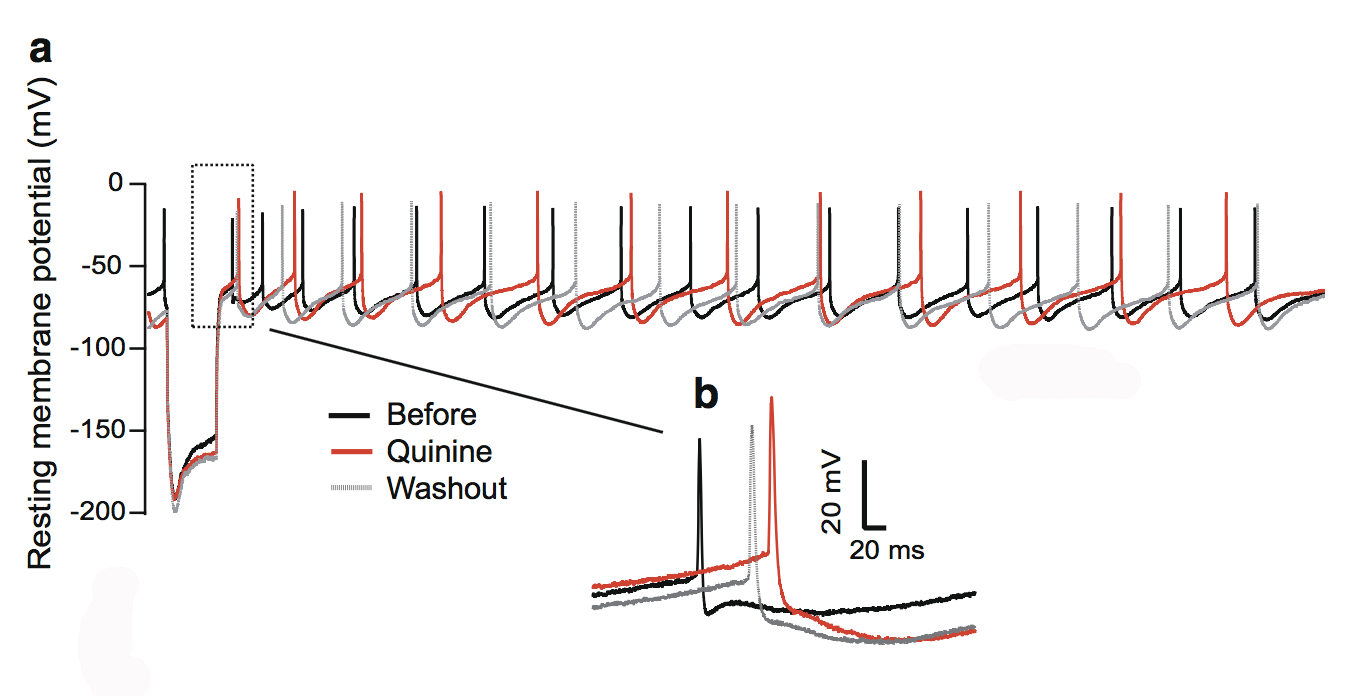
This figure shows the quinine effect on the physiology of dopaminergic neurons in the substantia nigra, a structure in the midbrain.

This figure shows the quinine effect on the physiology of dopaminergic neurons in the substantia nigra, a structure in the midbrain.

During this phantom ringing/buzzing sensation, neurons in the auditory cortex continue to fire in the absence of a sound source, or even after deafferentation following the loss of auditory hair cells. The underlying mechanisms of tinnitus are not yet known.

In our paper published in the journal Neurotoxicity Research in July 2018, my team and I examined chemical-induced tinnitus as a side effect of medication. Tinnitus patients who have chemical-induced tinnitus comprise a significant portion of all tinnitus sufferers, and approaching this type of tinnitus can help us to understand tinnitus in general.

We focused on quinine, an antimalarial drug that also causes hearing loss and tinnitus. We theorized this is due to the disruption of dopamine neurons rather than cochlear hair cells through the blockade of neuronal ion channels in the auditory system. We found that dopamine neurons are more sensitive than the hair cells or ganglion neurons in the auditory system. To a lesser extent, quinine also causes muscle reactions such as tremors and spasms (dystonia) and the loss of control over body movements (ataxia).

lp logo.png

As dopaminergic neurons (nerve cells that produce the neurotransmitter dopamine) are implicated in playing a role in all of these diseases, we tested the toxicity of quinine on induced dopaminergic neurons derived from human pluripotent stem cells and isolated dopaminergic neurons from the mouse brain.

Xiping_zhan.jpg

We found that quinine can affect the basic physiological function of dopamine neurons in humans and mice. Specifically, we found it can target and disturb the hyperpolarization-dependent ion channels in dopamine neurons. This toxicity of quinine may underlie the movement disorders and depression seen in quinine overdoses (cinchonism), and understanding this mechanism will help to learn how dopamine plays a role in tinnitus modulation.

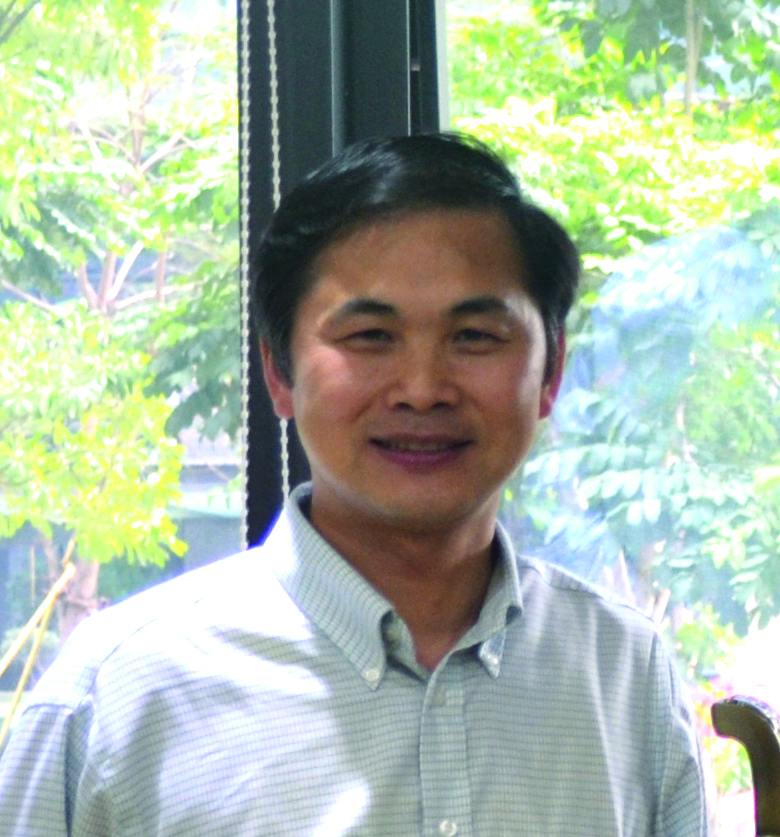
A 2015 ERG scientist, Xiping Zhan, Ph.D., received the Les Paul Foundation Award for Tinnitus Research. He is an assistant professor of physiology and biophysics at Howard University in Washington, D.C. One figure from the paper appeared on the cover of the July 2018 issue of Neurotoxicity Research.

We need your help supporting innovative hearing and balance science through our Emerging Research Grants program. Please make a contribution today.

 
 
Print Friendly and PDF

BLOG ARCHIVE

How My Hearing Loss Makes Me Better at My Job

By Sarah Bricker

My hearing loss journey led me to a position as a communications specialist at Starkey Hearing Technologies, the Minnesota-based hearing aids manufacturer. Managing a hearing loss at work has meant that I sometimes have trouble hearing speech in noisy conference rooms, and that I may miss various sound cues during international phone calls. Yet as I navigate these challenges in the office, I can also see that having a hearing loss has actually helped me to become a better employee.

workplace desk.jpeg

I am comfortable asking for help. There’s a misconception that asking for help means you’re incapable of doing your job or it will make your boss or colleagues think less of you. But I see asking for assistance as showing an interest in learning and growth and a desire to recognize weaknesses and overcome them.

“Hard work” is my middle name. Having a disability often means I have to work a little harder than those with full abilities. I may have to try harder to hear in staff meetings, when talking to clients on the phone, or when attending a seminar in a large auditorium—but I also focus and do due diligence before and after meetings and calls to make sure I didn’t miss anything. Even with my hearing aids, it’s better to be safe than sorry.

I find creative solutions. Because my hearing loss can sometimes prevent me from doing something the usual way, I am always looking for an innovative approach. I believe this is a life skill that will enable me to take on challenging projects at the office and figure out solutions others may not have considered.

I am more accurate in my work.
I know I may miss parts of conversations and other sound signals, but being aware of this has set me up to be extremely detail-oriented otherwise. I am hyper-aware of all the minutiae and will carefully analyze each element of an assignment before I consider a project finished.

I work well alone and with a team! Having a hearing loss means I’ve learned the skills necessary to be self- sufficient and to succeed on my own. By the same token, my hearing loss has also given me an underlying “Go Team!” attitude from years of asking for help. I know I can rely on my team, whether it’s to fully follow a group discussion or to make sure I get all the notes I need in a conference hall.

I am patient. Hearing loss means I may have to listen to the same phrase three times before understanding it, but that’s okay. I’ve learned that getting it right is more important than getting it right now. That outlook is extremely beneficial when it comes to long-term projects and client relationships, not to mention everyday interactions with colleagues, friends, and family.

Sarah Bricker.png

Texas native Sarah Bricker holds a bachelor’s degree in journalism from the University of Missouri and is a communications specialist at Starkey Hearing Technologies in Minnesota. She has a profound progressive sensorineural hearing loss that was diagnosed at age 13. This article originally appeared in the Winter 2017 issue of Hearing Health magazine.

Print Friendly and PDF

BLOG ARCHIVE

Hyped Up Now, Hurting Later

By Yishane Lee and Lauren McGrath

In an interview, longtime healthcare professional Bob Kambic warns about the health risks of the over-amplification that is becoming increasingly common at recreational events.

hyped-up-concert.jpg

What got you interested in the topic of the dangers of loud entertainment?
I am 75 and a grandfather. Recently I was in Detroit for an event in which my grandchildren participated. The finale of the event was held in Ford Stadium, a football venue. The electronically amplified sound was deafening even wearing my noise-canceling headphones.

The 30,000 or so people in the stadium were subject to what in other places would be called torture. I wondered, is there a way to tell the organizers they are harming our young citizens, the future of our country?

As a retired healthcare professional, I have a half century of experience in the healthcare field and more than 50 publications in peer-reviewed journals. This got me thinking about noise levels in entertainment venues. Raising awareness of this public health problem needs to be done.

Why is the music so loud?
Consider a musician playing an electric guitar in front of a crowd. She will hear her music from an amplifier. But she then finds that she likes it loud and turns the small knob up. After weeks or months that level is not satisfactory and she makes another turn up.

Over time, as the louder sounds gradually diminish hearing, it becomes necessary to turn the knob up more and more. For music professionals, this is called increasing the gain, which is one way to increase the volume of sound from the speakers. The other way to increase volume is to turn up the signal coming out of the speakers themselves.

amplifier-audio-board-944745.jpg

When musicians play to big crowds they now have amplifiers and systems that produce thousands of watts of power and can project over 100 decibels (dB). This technology is also used for recorded music. It “entertains” but it also may harm the listeners’ ears. Musicians and their producers know that “loudness does not equal quality”—but that caution can get lost in the need to entertain.

By 2022, live music industry revenue is projected to be worth $31 billion worldwide, according to PricewaterhouseCoopers. Like other industries, the money is the driver. To me this means the live music industry will continue to use larger and louder electronic amplification.

The electronically amplified sound is now also ubiquitous at rallies and sporting events, both professional and collegiate—or even younger—to hype up the crowd.

What can we do to protect our hearing, and especially the hearing of children?
Earplugs. I was happy to see an article in a music industry publication saying that the purchase of custom musician’s earplugs is one of the best investments a music industry worker can make. They didn’t recommend earphones, mixers, digital equipment, or music instruments—just earplugs. Frequent concert-goers should also invest in custom musician’s earplugs.

For children, this is a tough question because kids don’t want to be told what to listen to and how loud the sound should be. But there are a variety of products for hearing protection. The first are simple foam earplugs, widely available at hardware stores, pharmacies, and online. The disadvantage is that they must be pushed into the ear canal and may not fit all size ears. (See “8 Pairs of Earplugs in 4 Noisy Settings,” next page.)

The next step up is over-the-ear earmuffs that cover the ear entirely. They are long-lasting and work well but they are also big and bulky.

Finally there are noise-canceling headphones made by audio or electronic equipment manufacturers. I use battery-powered noise-canceling headphones on airplanes and trains, and was wearing them at the event at the Ford Stadium. You may want to explore the varying prices and technology. Many can also play personal music through wireless and/or wired connections.

Besides using hearing protection, what else can you do?
Take action against unnecessary noise. Groups of parents can petition their schools and sports teams to reduce amplification at indoor and outdoor events. Decibel meters are inexpensive or free as smartphone apps and can be used to show managers and administrators the sound level at events, and when the volume reaches dangerous levels at over 85 dB.

The music and electronic sound industry is in control of this problem because of the amount of money in the industry, but also because well-known musicians such as Huey Lewis and Eric Clapton, who are open about their hearing loss, are helping to raise awareness. Media coverage and local action can bring attention to bear, and over time the industry may become aware of amplification as a health problem for everyone, including the audience, not just for those in the industry.

bob kambic bk.jpg

Bob (Robert T.) Kambic, MSH, is a retired health professional who worked at the U.S. Department of Health and Human Services and the Johns Hopkins University (JHU) Bloomberg School of Public Health. He is a current visiting scientist with the JHU Medical School Division of Health Sciences Informatics and plays and sings American traditional music using acoustic instruments.

Receive updates on life-changing hearing research and resources by subscribing to HHF's free quarterly magazine and e-newsletter.

 
subscribe-hh.jpg
 
Print Friendly and PDF

BLOG ARCHIVE

HHF Welcomes Margo Amgott as Interim CEO

By Lauren McGrath

Hearing Health Foundation (HHF) is pleased to begin the New Year with the guidance of Margo Amgott as Interim Chief Executive Officer, succeeding Nadine Dehgan’s dedicated service to the foundation. Margo will lead HHF overseeing operations and working with the Board on a search for a permanent replacement.

Margo-Headshot.jpg

“I am excited to work with HHF’s committed Board of Directors and talented staff to foster support for groundbreaking hearing and balance research,” said Margo, who will champion the start of HHF’s seventh decade of advancing scientific knowledge of hearing loss. HHF has funded research leading to the development of cochlear implant technology and biological hearing restoration in mammals. She added that she is “thrilled to be a part of this vibrant organization supporting life-changing discoveries.”

Board Chair Elizabeth Keithley, Ph.D., remarks, “HHF is delighted to partner with Margo as we continue to nurture cutting-edge research. The Board and I are confident she will be an asset during this time of transition overseeing our operations and helping us to identify the next leader for our dynamic organization.”

With 30 years of nonprofit leadership experience, Ms. Amgott’s professional history includes service to academic medical centers, higher education institutions, government agencies, and healthcare and community nonprofits. Earlier in her career, she directed New York City’s Early Intervention Program and also served as Executive Director of the NYU Child Study Center. She holds a masters degree in health policy and management from NYU’s Wagner Graduate School of Public Administration and a BA in anthropology from Barnard College.

Margo also shares a deeply personal connection with HHF. In 2014, she was diagnosed with a mild unexplained hearing loss and tinnitus in her left ear.

“I welcome the opportunity to work with HHF because of its mission to improve the quality of life for nearly 50 million Americans,” Ms. Amgott says. “I am learning professionally―and personally―from the work HHF does every day. The partnership between our remarkable scientists and our generous supporters has made demonstrable progress towards prevention and cure, and like so many others, I look forward to these vital discoveries.”

Print Friendly and PDF

BLOG ARCHIVE

Headlines in Hearing Restoration

By Yishane Lee

The cornerstone of Hearing Health Foundation for six decades has been funding early-career hearing and balance researchers through its Emerging Research Grants (ERG) program. Many ERG scientists have gone on to obtain prestigious National Institutes of Health (NIH) funding to continue their HHF-funded research; since 1958, each dollar awarded to ERG scientists by HHF has been matched by NIH investments of more than $90. Within the scientific community, ERG is a competitive grant awarded to the most promising investigators, and we’re always especially pleased when our ERG alumni who are now also members of or affiliated with our Hearing Restoration Project consortium make headlines in the mainstream news for their scientific breakthroughs.

Hair cells in the mouse cochlea courtesy of the lab of Hearing Restoration Project (HRP) member Andy Groves, Ph.D., Baylor College of Medicine.

Hair cells in the mouse cochlea courtesy of the lab of Hearing Restoration Project (HRP) member Andy Groves, Ph.D., Baylor College of Medicine.

Ronna Hertzano, M.D., Ph.D. (2009–10): Hearing Restoration Project consortium member Hertzano, an associate professor at the University of Maryland School of Medicine, and colleagues identified a gene, Ikzf2, that acts as a key regulator for outer hair cells whose loss is a major cause of age-related hearing loss. The Ikzf2 gene encodes helios, a transcription factor (a protein that controls the expression of other genes). The mutation of the gene in mice impairs the activity of helios in the mice, leading to an outer hair cell deficit.

Reporting in the Nov. 21, 2018, issue of Nature, the team tested whether the opposite effect could be created—if an abundance of helios could boost the population of outer hair cells. They introduced a virus engineered to overexpress helios into the inner ear hair cells of newborn mice, and found that some mature inner hair cells became more like outer hair cells by exhibiting electromotility, a property limited to outer hair cells. The finding that helios can drive inner hair cells to adopt critical outer hair cell characteristics holds promise for future treatments of age-related hearing loss.

Patricia White, Ph.D. (2009, 2011), with Hearing Restoration Project member Albert Edge, Ph.D.: White, a research associate professor at the University of Rochester Medical Center, Edge, a professor of otolaryngology at Massachusetts Eye and Ear and Harvard Medical School, and team have been able to regrow the sensory hair cells found in the mouse cochlea. The study, published in the European Journal of Neuroscience on Sep. 30, 2018, builds on White’s prior research that identified a family of receptors called epidermal growth factor (EGF) that is responsible for activating supporting cells in the auditory organs of birds. When triggered, these cells proliferate and foster the generation of new sensory hair cells. In mice, EGF receptors are expressed but do not drive regeneration of hair cells, so it could be that as mammals evolved, the signaling pathway was altered.

The new study aimed to unblock the regeneration of hair cells and also integrate them with nerve cells, so they are functional, by switching the EGF signaling pathway to act as it does in birds. The team focused on a specific receptor called ERBB2, found in supporting cells. They used a number of methods to activate the EGF signaling pathway: a virus targeting ERBB2 receptors; mice genetically altered to overexpress activated ERBB2; and two drugs developed to stimulate stem cell activity in the eye and pancreas that are already known to activate ERBB2 signaling. The researchers found that activating the ERBB2 pathway triggered a cascading series of cellular events: Supporting cells began to proliferate and started the process of activating other neighboring stem cells to lead to “apparent supernumerary hair cell formation,” and these hair cells’ integration with the network of neurons was also supported.

This was prepared using press materials from the University of Maryland and the University of Rochester. For more, see hhf.org/hrp.


Print Friendly and PDF

BLOG ARCHIVE

Recording Electrical Responses to Improve the Diagnosis of Hearing Conditions

By Yishane Lee

Electrocochleography (ECochG) is a method to record electrical responses from the inner ear and the auditory nerve in the first 5 milliseconds after a sound stimulus, such as a click or tone burst. These stimuli can be adjusted for repetition rate and polarity, and recordings can also be taken from either the ear canal, eardrum, or through the eardrum. The main components of ECochG response are the summating potential (SP), from the sensory hair cells in the cochlea, and the action potential (AP) of auditory nerve fibers. In an October 2018 paper in the journal Canadian Audiologist, 2015 ERG scientist Wafaa Kaf, Ph.D., reviews the diagnostic applications for using ECochG for Ménière’s disease and cochlear synaptopathy, two conditions that can be difficult to pinpoint, especially early in the disease, and suggests how to improve the use of ECochG as a clinical tool.

Shutterstock

Shutterstock

Endolymphatic hydrops, or abnormal fluctuations in inner ear fluid, is believed to be the underlying cause of Ménière’s disease and its associated hearing and balance disorder. ECochG collects information about the SP/AP amplitude and area ratios that can be used to confirm a Ménière’s diagnosis, without relying solely on clinical symptoms.

Since the SP/AP amplitude ratio can vary among known Ménière’s patients, Kaf suggests including data about the SP/AP area ratio as well can help with diagnosing the disease. To further distinguish Ménière’s, Kaf suggests using ECochG AP latencies, and, building on her prior research, the effect of fast click rates on the auditory nerve latency and amplitude. Using the continuous loop averaging deconvolution technique, various properties of the SP and AP waveforms are easier to identify and parse. Results suggest that the functions of the cochlear nerve and/or cochlear synapses are damaged in Ménière’s. Earlier research that shows an abnormal acoustic reflex decay in about a quarter of Ménière’s patients, and a reduced number of synapses between inner hair cells and auditory nerve fibers, underscores the presence of nerve damage in Ménière’s.

Cochlear synaptopathy is a noise-induced or age-related dysfunction that is also causing reduced synapses between inner ear hair cells and auditory nerve fibers, resulting in tinnitus, hyperacusis, and difficulty hearing in noise despite normal hearing sensitivity. ECochG may help with its diagnosis, especially given that traditional audiograms and hearing tests have been found to miss this “hidden hearing loss.” The use of both the SP/AP amplitude and area ratios and specific auditory brainstem responses can help confirm this condition and distinguish it from Ménière’s disease.

kaf menieres.jpeg

ECochG can also be used to help confirm the diagnosis of auditory neuropathy spectrum disorder, a problem with the way sound is transmitted between the inner ear and the brain, and other inner ear disorders. The technique can also be used to monitor ear responses, real-time, during surgeries such as a stapedectomy, endolymphatic shunt, and cochlear implantation, additional instances demonstrating how ECochG holds promise for expanded use in the clinic.

A 2015 ERG scientist funded by The Estate of Howard F. Schum, Wafaa Kaf, Ph.D., is a professor of audiology at Missouri State University.

We need your help supporting innovative hearing and balance science through our Emerging Research Grants program. Please make a contribution today.


Print Friendly and PDF

BLOG ARCHIVE

Enter the Caption Challenge

By Lauren McGrath

Captions and subtitles are a critical tool that makes information more accessible to those with hearing loss.

The technology is constantly evolving, especially real-time captioning that can be available on the go, often using smartphones.

The 1990 Americans with Disabilities Act requires businesses and public venues to guarantee that people with hearing loss are not excluded from or denied services because of the lack of auxiliary aids, and this includes captioning.

caption contest.jpg

But sometimes the subtitles fall short, creating unintentionally funny gaffes that can end up going viral.

Without intending any criticism of this important accessibility method, which is so helpful for those with (and without) hearing loss to better understand speech, we are launching a fun contest— because everyone loves bloopers, and it’s a good reminder that captioning has actually improved by leaps and bounds.

Submit an original photo or screenshot of a memorable caption flub, and earn a chance to be featured in the Spring 2019 issue of Hearing Health and on our website.

The deadline has been extended! Visit hhf.org/challenge to review the full contest rules and to enter. Submissions will be accepted until Friday, May 15.


Note: The contest is open to all individuals 18 years and older who subscribe to Hearing Health magazine via print (in the U.S.) or online (outside of the U.S.). Nonsubscribers are not be eligible for participation and any submission from a nonsubscriber will not be considered. To subscribe to the free quarterly, visit hhf.org/subscribe.

Print Friendly and PDF

BLOG ARCHIVE

You Can Lead the Way

By Col. John Dillard, U.S. Army (Retired)

Folks like you are the reason Hearing Health Foundation (HHF) has just completed its 60th anniversary year of groundbreaking work toward better treatments and permanent cures for hearing loss and tinnitus. Your donations make it possible.

Tinnitus and hearing loss, respectively, are the number one and number two disabilities reported by returning American military personnel.

Tinnitus and hearing loss, respectively, are the number one and number two disabilities reported by returning American military personnel.

Thank you for everything you do.

Living with noise-induced hearing loss and tinnitus following 26 years of service in the U.S. Army, I strongly share your desire for more scientific developments — both to restore hearing and to prevent its loss.

Every person serving on our Board of Directors is also connected to a hearing disorder in some way and shares our passion for progress. It is coming. As each year passes we learn more and more about key processes in the brain and auditory system.

We’re grateful for these discoveries that bring us closer to hearing regeneration in adult mice (as human proxies for now), and toward new treatments for tinnitus, Ménière's disease, and related conditions. But we know more must be accomplished for all of us to enjoy a better quality of life.

Your generosity can make possible the discoveries we — our veterans, our parents, our children, our spouses, our friends — urgently need.

Please, if you are able, give today to HHF to fund more innovative scientists in 2019-2020 and accelerate much-needed treatments and cures.

HHF will direct 100% of your gift toward the program your choose — Hearing Restoration Project (HRP), Emerging Research Grants (ERG), Ménière's Disease Grants (MDG), or Education. Thank you for your consideration and for being part of our mission.

Print Friendly and PDF

BLOG ARCHIVE