Getting Married? Turn It Down

By Emilio Cortez, Ed.D

wedding-cheers.jpeg

Wedding day celebrations often include music, but when music is too loud, you and your guests may experience hearing loss as a result. The problem of loud music is rampant and has contributed to the growing number of 48 million Americans who suffer from hearing loss.

Many bands and disc jockeys play music at 100 decibels (dB). If you’re not wearing earplugs, 100 dB can cause hearing loss in just 14 minutes, according to the Centers for Disease Control and Prevention. A telltale sign that music is too loud is when you need to shout to the person next to you just to be heard. If the music at a wedding is played consistently at 90 dB of loudness, hearing loss can occur after two hours of exposure.

Since we are all the targets of dangerous decibels, we need to remember, “Be decibel-wise: under 85 keeps hearing alive.”

When interviewing bands or DJs for a wedding, insist that you want the music to be no louder than 80 dB—and then be prepared for bewildered faces. Since many musicians and DJs are accustomed to playing very loud music, some of them have already lost hearing, so 80 dB won’t seem loud enough; an alternative plan would be to make earplugs available to your guests (see below).

The louder music is played, and the more guests that attend a wedding, the louder guests must talk to converse which adds to the total loudness. You may want to appoint a wedding helper to monitor the music’s loudness and to remind musicians to turn down the volume as needed. Also, by having the music alternate between loud songs and softer music, you can give your guests and their ears a healthy rest from potentially dangerous decibels.

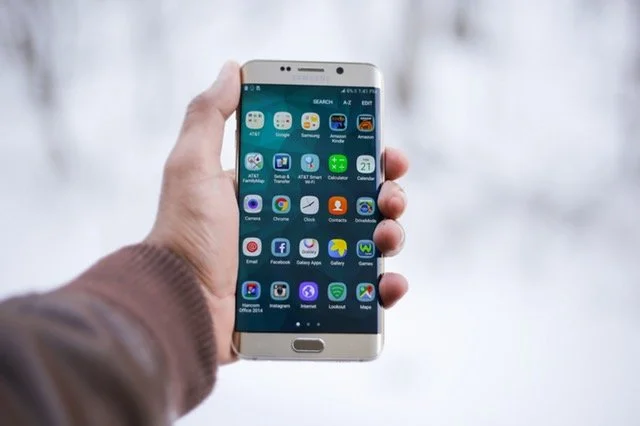
Many free decibel meter apps are available for both Apple and Android smartphones. You can check it for accuracy by talking into it in a normal speaking voice. You should be getting a reading somewhere between 60 and 70 dB, which is a normal reading for conversational speech. The National Institute for Occupational Safety and Health has blogged about the accuracy of decibel meter apps.

If you choose to use earplugs that conform to your ear canal size, refer to the YouTube video, “Fitting Foam Earplugs.” In essence you want to roll the earplug down to toothpick size and then insert it into your ear, allowing it to expand in order to provide the most effective hearing protection.

My daughter is getting married this August, and I had her share this information with the prospective DJ so he knows exactly what I will be expecting as the father of the bride! Noise is the most preventable cause of hearing loss. Don’t squander it on your wedding day.

Emilio Cortez, Ed.D., is a member of the Hearing Loss Association of America of Pennsylvania and a co-chair of its Turn Down the Volume Committee.

Print Friendly and PDF

BLOG ARCHIVE

Telehealth Tools Can Change Your Hearing Care

By Carol Meyers, Au.D.

We continue to benefit from incredible technological advances that assist in the diagnosis and treatment of many health conditions. One rapidly growing technology with the potential to revolutionize hearing care is telehealth, which utilizes telecommunication technologies like smartphone apps to provide virtual healthcare and education services to patients.

Many hearing aid wearers already use apps that serve as remote controls or audio streamers for their hearing aids. As manufacturers develop more ways to leverage smartphone apps, consumers can also expect to change the way they interact with their hearing care professional for the better. Here are some ways telehealth hearing care apps can help you.

Save time and effort.

Nothing will ever completely replace face-to-face interactions with your healthcare providers. However, some issues can be resolved with a brief conversation. Telehealth apps offer text, voice, and even video calls so that you can consult your hearing care professional without making a trip to the office. Furthermore, apps can store useful information, such as care and usage instructions and troubleshooting guides, so you can use them to solve problems at your convenience. This is particularly advantageous if you live in a remote area, cannot take time off work, or have difficulty getting around.

Adjust to wearing new hearing aids.
Getting used to wearing new hearing aids involves actually retraining your brain to process all the sounds that you were missing before amplification. Hearing care apps can assign you simple daily exercises to complete, such as rustle a newspaper or have group conversation during a family meal. These exercises encourage your exposure to a variety of listening situations. As you complete these tasks, you can rate your satisfaction with the experience, which is then transmitted to your hearing care professional.

Let hearing care professional monitor your hearing needs.

Your hearing care professional wants to ensure your satisfaction and success just as much as you want your questions and concerns about your new hearing aids resolved. Your ratings and feedback regarding new listening experiences can be transmitted via the app to your hearing care professional, who can then contact you if necessary.

Have your hearing aids adjusted remotely.

Not only can your hearing care professional interact with you via apps, they can also access your hearing aid settings directly without your needing to visit the office. Based on your feedback (via a text or call) they can adjust your hearing aid settings and send the update through the app to your hearing aids. Once you accept the change, those adjustments take effect so you can try them out immediately.

Finally, telehealth apps are safe. They are secured via end-to-end encryption so that interactions and conversations between you and your hearing care professional remain private. The next time you visit your hearing care professional, ask how a hearing aid telehealth app can help you.

With more than 25 years of clinical practice, Carol Meyers, Au.D., is an educational specialist for Signia responsible for the training and education of staff and hearing care professionals in the U.S. on the company’s products, technology, software, services, and audiology-related topics.

Print Friendly and PDF

BLOG ARCHIVE

Paying Tribute on Armed Forces Day

By Siera Whitaker

May 20 is Armed Forces Day and Hearing Health Foundation is paying tribute to the men and women who serve in our armed forces.

The number one and two war wounds for active service members and veterans are hearing loss and tinnitus, directly impacting their ability to conduct missions and follow instructions. According to the U.S. Department of Veterans Affairs, by the end of 2014 over 933,000 veterans received disability compensation as a result of hearing loss, and about 1.3 million received compensation for tinnitus.

Extended, unprotected exposure to noise that reaches 85 decibels (the sound of a lawnmower) or higher can cause permanent inner ear damage. The Centers for Disease Control and Prevention (CDC) states difficulty with hearing is the third most commonly reported chronic health condition in the U.S.; approximately 40 million Americans ages 20 to 69 have hearing loss in one or both ears, and one main cause is excessive, loud noise.

When it comes to hearing loss and tinnitus, soldiers are at an increased risk. They are susceptible to noise-induced hearing loss (NIHL) because they are exposed to loud machinery and explosions on a constant basis. In combat, soldiers are often exposed to sudden noises, such as from an improvised explosive device (IED) or other similar weapon, which are difficult to predict and be protected against. These sudden noises can result in temporary hearing loss and put military personnel at risk. However, the word “temporary” should be approached with caution. Repeated short-term hearing loss can damage the sensitive hair cells in the inner ear, leading to hearing loss that becomes permanent.

Hearing loss as a result of noise is 100 percent preventable. Wearing hearing protection such as noise attenuating helmets, which use ear cups to protect against hazardous sound, or Tactical Communication and Protective Systems (TCAPS), can go a long way to reduce overall exposure.

Since these brave men and women are disproportionately impacted by hearing loss and tinnitus that likely affects many other aspects of their lives, Hearing Health Foundation is proud to pay tribute to them on Armed Forces Day. If you are a veteran, current service member, or have family or friends who have bravely served our country, please check out our veterans' resources and share your story about hearing loss or tinnitus with us.

Print Friendly and PDF

BLOG ARCHIVE

Hearing Loss: The Costs, The Effect on Society and How to Prevent It

Hearing Health Foundation's Communications and Programs Manager, Laura Friedman, was featured in the Mediaplanet UK's Ear, Nose, and Throat Campaign. Read her article on Hearing Loss: the costs, the effect on society and how to prevent it, here

Print Friendly and PDF

BLOG ARCHIVE

Success of Sensory Cell Regeneration Raises Hope for Hearing Restoration

By St. Jude Children's Research Hospital

Jian Zuo, Ph.D., and his colleagues induced supporting cells located in the inner ear of adult mice to take on the appearance of immature hair cells and to begin producing some of the signature proteins of hair cells.

Jian Zuo, Ph.D., and his colleagues induced supporting cells located in the inner ear of adult
mice to take on the appearance of immature hair cells and to begin producing some of the signature proteins of hair cells.

In an apparent first, St. Jude Children's Research Hospital investigators have used genetic manipulation to regenerate auditory hair cells in adult mice. The research marks a possible advance in treatment of hearing loss in humans. The study appears today in the journal Cell Reports.

Loss of auditory hair cells due to prolonged exposure to loud noise, accidents, illness, aging or medication is a leading cause of hearing loss and long-term disability in adults worldwide. Some childhood cancer survivors are also at risk because of hair cells damage due to certain chemotherapy agents. Treatment has focused on electronic devices like hearing aids or cochlear implants because once lost, human auditory hair cells do not grow back.

"In this study, we looked to Mother Nature for answers and we were rewarded," said corresponding author Jian Zuo, Ph.D., a member of the St. Jude Department of Developmental Neurobiology. "Unlike in humans, auditory hair cells do regenerate in fish and chicken. The process involves down-regulating expression of the protein p27 and up-regulating the expression of the protein Atoh1. So we tried the same approach in specially bred mice."

By manipulating the same genes, Zuo and his colleagues induced supporting cells located in the inner ear of adult mice to take on the appearance of immature hair cells and to begin producing some of the signature proteins of hair cells.

The scientists also identified a genetic pathway for hair cell regeneration and detailed how proteins in that pathway cooperate to foster the process. The pathway includes the proteins GATA3 and POU4F3 along with p27 and ATOH1. In fact, investigators found that POU4F3 alone was sufficient to regenerate hair cells, but that more hair cells were regenerated when both ATOH1 and POU4F3 were involved.

"Work in other organs has shown that reprogramming cells is rarely accomplished by manipulating a single factor," Zuo said. "This study suggests that supporting cells in the cochlea are no exception and may benefit from therapies that target the proteins identified in this study."

The findings have implications for a phase 1 clinical trial now underway that uses gene therapy to restart expression of ATOH1 to regenerate hair cells for treatment of hearing loss.

ATOH1 is a transcription factor necessary for hair cell development. In humans and other mammals, the gene is switched off when the process is complete. In humans, ATOH1 production ceases before birth.

"This study suggests that targeting p27, GATA3 and POU4F3 may enhance the outcome of gene therapy and other approaches that aim to restart ATOH1 expression," Zuo said.

The research also revealed a novel role for p27. The protein is best known as serving as a check on cell proliferation. However, in this study p27 suppressed GATA3 production. Since GATA3 and ATOH1 work together to increase expression of POU4F3, reducing GATA3 levels also reduced expression of POU4F3. When the p27 gene was deleted in mice, GATA3 levels increased along with expression of POU4F3. Hair cell regeneration increased as well.

"Work continues to identify the other factors, including small molecules, necessary to not only promote the maturation and survival of the newly generated hair cells, but also increase their number," Zuo said.

Bradley J. Walters, Ph.D. was a 2012 Hearing Health Foundation Emerging Research Grants recipient. This article was repurpsed with permission. 

Print Friendly and PDF

BLOG ARCHIVE

When Hearing Aids Are Not Enough

By Kathleen Wallace

May is Better Hearing and Speech Month and Hearing Health Foundation (HHF) would like to take this opportunity to raise awareness on the importance of treating one’s hearing loss.

Hearing aids are currently unable to restore damaged or lost hearing due to the complexities of our auditory system. Hearing aids are simply devices that provide access to sound while maintaining comfort; they are a tool to assist one’s hearing ability.  

But what if hearing aids alone aren’t enough? Aural rehabilitation can provide extra training necessary to improve the use of hearing aids, helping a person with hearing loss overcome daily challenges. Just as physical therapy may be needed after an injury to improve function, aural rehabilitation helps a person to adapt to amplification and to develop communication strategies to increase understanding. While aural rehabilitation is a service provided by audiologists, it tends to be underutilized.

Aural rehabilitation typically encompasses counseling on the impact of hearing loss, device orientation, and perceptual training. These programs are tailored to address the needs of a particular individual, as hearing loss can be manifested in countless ways over the course of one person's daily life. It is therefore essential for audiologists to develop a thorough understanding of how hearing loss is impacting a person’s everyday life specifically. This is typically done through the use of self-assessment measures, which also serve as outcome measures to track progress and to identify areas for improvement.

A strong body of research demonstrates the efficacy of aural rehabilitation to reduce hearing handicap and stress as well as improve satisfaction with amplification1, quality of life, and communication function. Furthermore, studies have shown that embarking on aural rehabilitation with a significant other or communication partner is beneficial for both parties; it facilitates better communication and understanding of the difficulties accompanying hearing loss. In fact, the greatest reduction in hearing handicap occurred when the individual with hearing impairment and the significant other completed the program together.

If hearing aids are unable to provide noticeable benefits, even after completing aural rehabilitation programs, individuals with significant hearing loss may want to consider cochlear implantation. These implanted devices can provide audibility beyond the limitations of traditional amplification, as they directly stimulate the cochlea. To find out if you are a candidate, consult your audiologist for a full evaluation.

If you suspect a hearing loss or tinnitus, HHF recommends getting your hearing checked. If you do have a hearing loss or tinnitus, talk with your hearing healthcare professional about available treatments. For more information, visit hhf.org/tinnitus or email us at info@hhf.org.

1Northern, J. L., & Beyer, C. M. (1999). Reducing hearing aid returns through patient education. Audiology Today, 11(2) 315-326.

Print Friendly and PDF

BLOG ARCHIVE

You're Losing Hearing Faster Than You Think

“I went to a restaurant and it was 104 decibels,” says Nadine Dehgan of the Hearing Health Foundation, a New York-based organization that helps fund research for medical and technological advances in hearing loss. “It was hours of 104-dB pop music. I told them, ‘This is damaging to the customers,’ and they turned it down.”


Hearing aids remain costly, as much as several thousand dollars for one. “Hearing aids are cheaper, but I wouldn’t call them cheap,” says Laura Friedman of the Hearing Health Foundation. “Glasses are covered by insurance companies but those companies don’t cover hearing aids. They consider it cosmetic.”

Hearing Health Foundation's CEO, Nadine Dehgan, and Communications and Programs Manager, Laura Friedman, were quoted in Men's Journal on the dangers of noise and the costs of hearing aids. Read the full article, here

Print Friendly and PDF

BLOG ARCHIVE

The Importance of Early Intervention

By Frankie Huang

baby-aud-test.jpeg

May is Better Hearing and Speech month and Hearing Health Foundation (HHF) would like to take this opportunity to raise awareness on the importance of early intervention for hearing loss in children, and the significant impact it can have on language development.

Hearing Health Foundation was instrumental in advocating for the Universal Newborn Hearing Screening legislation, as today 97% of babies are screened before they leave the hospital. In 1993, that number was 5%. Approximately 3 out of every 1,000 children in the United States are born deaf or hard of hearing. More than 90 percent are born to parents with typical hearing. Fortunately, early identification allows children with hearing loss to receive help they need during the first two years of life, a critical period for the development of speech and language skills. The earlier a child’s hearing loss is detected, the sooner the family can gather as much information as possible to make the best decision for their child’s language and communication approach.

With early intervention, children with hearing loss are able to develop language skills to help them communicate freely and actively learn. There are many services available to support children. For example, the Individuals with Disabilities Education Act (IDEA) ensures all children with disabilities have access to services they need for a good education. In addition, Head Start and Early Head Start are federally funded programs to help young children of low-income families become better equipped to succeed in school.

However, if the child’s hearing loss is left undetected or untreated, hearing loss can negatively impact a child’s language development. Delayed intervention can also adversely impact a child’s language development. One study had found that children who received earlier amplification or cochlear implantation had better language outcomes. Maternal education and communication modes used during early intervention can also improve language skills over time. A longitudinal study concluded that children with permanent hearing loss enrolled in an early intervention program before the 6 months of age developed on par with age-appropriate language skills than those who were enrolled after 6 months of age.

Similarly, another study had suggested that early enrollment in intervention programs were linked to higher language scores. It concluded that children enrolled before 11 months of age showed better vocabulary and verbal reasoning scores at 5 years of age compared with those enrolled later. Children that were enrolled later may experience delays that can interfere with academic development and comprehension in the classroom.

In the same study, the results suggest that family involvement was a contributing factor for the best outcomes of early intervention. Positive language outcomes were correlated with families that were highly motivated and active with their child’s intervention, while limited family support was associated with poor language outcomes. Also, families who were actively involved with early intervention were more likely to communicate better with their children, which contributes toward their overall growth. However, it is also important to consider the contrary; a lack of family involvement poses the largest challenge to early intervention. Specifically, a systematic review on the follow-up rate in newborn hearing screenings found that, on average, 20% of babies who failed the initial screening did not return for follow-up testing. The high loss to follow-up is believed to be attributed to a lack of adequate knowledge of the risks of hearing loss. This is the largest threat to the success of the newborn hearing screening program, as it becomes the family’s responsibility to follow-up on care beyond the initial hearing screening prior to discharge.

It is important to remember that hearing loss can occur at any time of life. Some forms of hearing loss do not appear until a child is a toddler or enters school, or even later. In addition, illness, ear infections, head injury, certain medications, and exposure to loud noise are all potential causes of hearing loss. In particular, recurring ear infections may negatively affect language development because of the resultant fluctuating hearing loss’ lack of steady auditory input necessary for speech and language development.

Even if your child or a child of a loved one does not have hearing loss today, Hearing Health Foundation strongly encourages regular checkups and annual hearing tests performed by audiologists, ENTs, pediatricians, or other health providers to monitor potential changes in hearing. These professionals are also excellent resources for intervention services to help overcome barriers to communication.

Receive updates on life-changing hearing research and resources by subscribing to HHF's free quarterly magazine and e-newsletter.


Print Friendly and PDF

BLOG ARCHIVE

Hearing Health Foundation and Hearing Charities of America Join Forces

By Laura Friedman

Hearing Health Foundation and Hearing Charities of America Join Forces

Hearing Charities of America (HCOA) and Hearing Health Foundation are excited to announce a newly formed partnership in an effort to collect hearing aids that will be given to low-income individuals through the HCOA’s national assistance program, The Hearing Aid Project.

One quarter of Americans ages 20 to 65 suffer from hearing loss, which makes it one of the country’s most widespread public health concerns. The Hearing Aid Project was created to provide access to affordable hearing health services, while creating collaborative relationships to support this mission.

Countless hearing aids sit unused in drawers or are discarded once new hearing aids are purchased. Hearing Health Foundation is now a collection center for The Hearing Aid Project to ensure that quality, donated hearing aids can be refurbished and given to those in need.

“Hearing Health Foundation is thrilled to join forces with Hearing Charities of America and do our part in collecting hearing aids to be refurbished and distributed to those who need them,” said Nadine Dehgan, HHF’s CEO. “Minimal health insurance and Medicare coverage, as well as out-of-pocket costs, have been a major hurdle for many who could benefit from using hearing aids. Until quality hearing healthcare is available to all of the 48 million Americans living with hearing loss, HHF is glad to be doing its part to provide hearing aid assistance to those in need,” Dehgan said.

Hearing Charities of America and Hearing Health Foundation believe that healthy hearing should be enjoyed by all. To donate your hearings aids to be refurbished, please contact Hearing Health Foundation at info@hhf.org or 212-257-6140.

THE HEARING HEALTH CHALLENGE

In celebration of Better Hearing and Speech Month in May, Hearing Health Foundation is launching the Hearing Health Challenge. Although hearing loss is commonly associated with one’s normal aging process, more than half of those with hearing loss are younger than 65. The top two war wounds for active military personnel and veterans are hearing loss and tinnitus, accounting for 60 percent of this population.

Unfortunately, only 13 to 33 percent of those who need hearing aids use them; financial constraints, the lack of a perceived need, and stigma are leading reasons why hearing loss goes untreated for an average of 7 to 10 years after diagnosis. Hearing Health Foundation is committed to reducing the stigma, educating the public on the dangers of noise, advocating for greater access to hearing health care, and funding the best science to find better treatments and cures for hearing loss and its associated disorders.

CHALLENGE

  • For every hearing aid received within the month of May, a $200 cash donation will be made to HHF by an anonymous donor to support hearing research. 
     

  • For every dollar donated within the month of May, that dollar will be matched up to $33,500 by an anonymous donor to support hearing research.  

Print Friendly and PDF

BLOG ARCHIVE

HHF Welcomes New Board Members in April 2017

By Nadine Dehgan

Hearing Health Foundation (HHF) is delighted to welcome Bob Shannon, Ph.D., and Ruth Anne Eatock, Ph.D., to our Board of Directors. Their unwavering commitment toward advancing research to better understand hearing loss and its associated disorders make Drs. Shannon and Eatock perfect additions to our leadership team.

BobShannon.jpeg

Dr. Robert Shannon is a research professor of otolaryngology at the University of Southern California’s Keck School of Medicine with over four decades of experience in researching auditory perception and psychoacoustics. He also serves as an editor and reviewer for several prominent scientific journals and funding agencies and has published more than 100 scientific articles on his research. Most recently Dr. Shannon has been a primary investigator on research studies that advance the technology and effectiveness of the auditory brainstem implant (ABI), an auditory prosthesis for people who have a non-functioning auditory nerve. The ABI is the first device approved by the Food and Drug Administration for prosthetic electrical stimulation of the human brainstem.

“I initially got involved with HHF (then DRF) by joining the Science Review Committee, to ensure the high quality of the research proposals, and later joined the Council of Scientific Trustees,” said Dr. Shannon. “Now I look forward to continued service on the HHF Board of Directors to have an integral role in pushing the Foundation’s research efforts forward.”

Ruth-Anne-Eatock.jpeg

Dr. Ruth Anne Eatock is a professor of neurobiology and the dean of Faculty Affairs for the Biological Sciences Division at the University of Chicago. She trained at McGill, Caltech, the Massachusetts Eye and Ear Infirmary, and MIT, and has held academic positions in otolaryngology and neuroscience departments at University of Rochester, Baylor College of Medicine, and Harvard. She has experience mentoring students, fellows and clinical scientists in sensory processing by the inner ear, reviewing federal and private grant applications, editing and reviewing research papers, and organizing hearing research meetings.  These experiences have given her a broad appreciation of the progress and goals driving our diverse hearing research community.

Dr. Eatock notes: “My first independent grant was a Deafness Research Grant (now known as Emerging Research Grants), so I am well aware of the importance of such seed funding in helping new investigators establish themselves and advance hearing research.”

HHF is excited to have Drs. Bob Shannon and Ruth Anne Eatock as new members of our Board of Directors and we look forward to their contributions toward HHF’s mission. Please join us in giving them both a warm welcome!

Print Friendly and PDF

BLOG ARCHIVE