
Through educational videos, a quiet activist promotes science fact over noise fiction.
By Jan L. Mayes
You might know me as a tinnitus and hyperacusis self-help strategist for myself and others. I grew up with hyperacusis and tinnitus from a young age. I spent most of my career as a clinical and occupational audiologist seeing clients with hearing problems impacting their quality of life.
But noise is the only cause of hearing health damage that is 100 percent preventable. I became a quiet activist to help prevent noise-induced tinnitus, hyperacusis, and hearing loss. My focus is on raising awareness about proven health risks from harmful environmental and community exposures. Unfortunately, safe listening is elusive as modern soundscapes become noisier.
The hardest part of raising awareness nowadays is the widespread misinformation on dangerous decibels. If you search online or ask AI to define safe listening, the answer may not always be evidence-based and can be downright unsafe.
Search engine answers typically mention 75 decibels as “safe” for children and 80 or 85 dB as “safe” for adults despite the danger of noise-induced tinnitus, hyperacusis, and hearing loss. I see this misinformation shared across media including respected sources like news outlets, journals, and even tinnitus or hearing health publications. I believe independent public health recommended limits are the standard for discussing safe listening at homes, schools, hospitals, and public spaces. Public health limits protect everyone’s health with an adequate margin of safety.
Safe limits for public health depend on source, location, and who is exposed. Generally, the 50 dB daily average noise limit would protect brain development in babies to teens, prevent adverse health effects (e.g., anxiety, type 2 diabetes, heart disease, obesity), and protect speech communication access, especially for people with hearing loss.
Even lower limits are recommended for bedrooms, classrooms, hospital rooms, and natural spaces. The daily average limit to prevent noise-induced hearing loss in adults is 70 dB. A 70 dB exposure may not protect from tinnitus or hyperacusis, and is likely not safe for brain development or hearing health in infants to teens.
It deeply upsets me how poorly protected babies to teens are despite proven noise risks to brain and auditory system development. Instead of controlling noise, children are being labelled “sound sensitive.” Some articles even suggest acclimating children to loud sounds by making them less scary—for example, tickling a noise-sensitive child when a train rumbles by. But automatic hand dryers, balloons popping, transportation, and cinemas are all harmfully loud. We need to recognize a hearing health condition versus a preventable harmful sound source.
All of the above sparked me to start an educational YouTube channel called “Safe Sound Science With Granny Jan.” I focus on science fact over noise fiction. I couldn’t do these videos without the help of my daughter who is a professional graphic designer. My content includes longer videos and YouTube shorts that I also share on my TikTok. Topics that inspire me include debunking decibels and environmental noise.
My latest video series includes a quiz and evidence-based content on the dangers of screen time and personal listening. I share 2025 New Zealand Ministry of Education age-based guidelines recommended to help protect the health and well-being of children and teens at school and home.
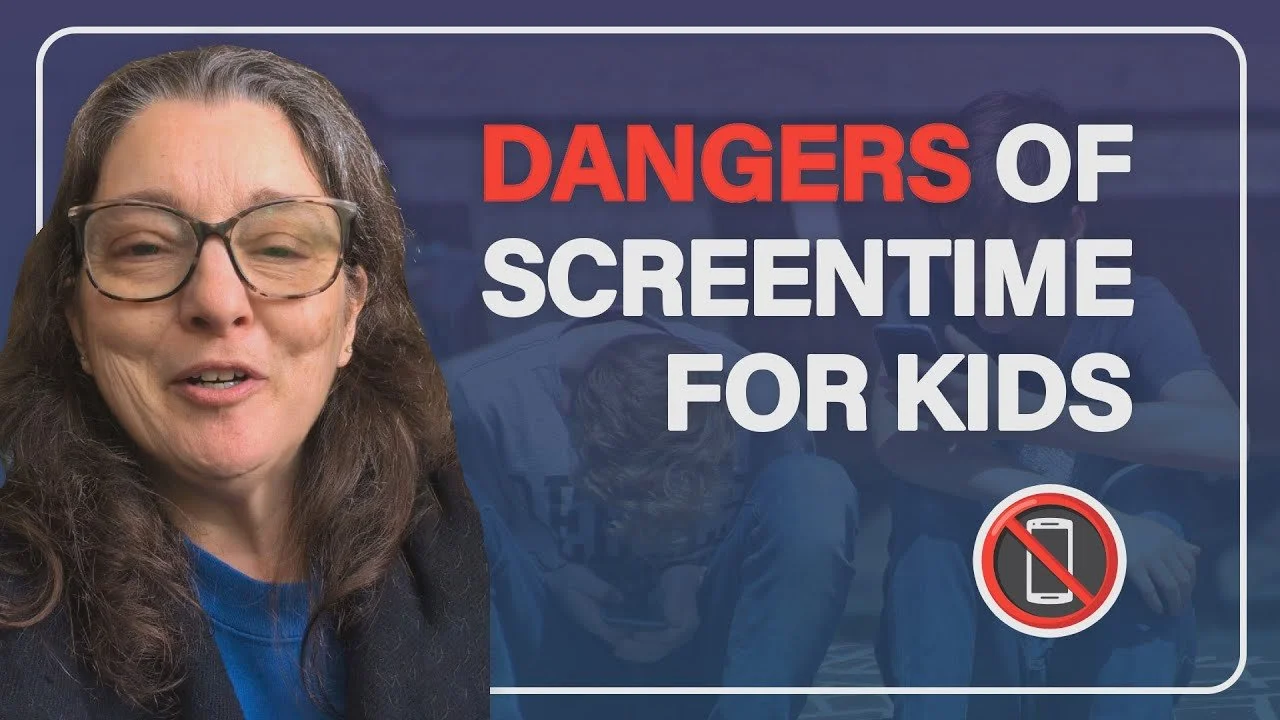
Recommendations include safer personal listening at the lowest functional volume needed to hear or understand, generally as low as possible below 50 percent for typical hearing children and teens. Lowering the volume is a better margin of safety to protect hearing health.
People have asked why I’m calling myself Granny Jan. I am Granny Jan to my two lovely grandkitties. While I may never have grandchildren in real life, I care about future generations of children and teens. I want to leave a legacy of science supported public health and audiology content on safer listening.
If ears bled from unsafe listening, I’m sure that we would already be protected from harmful environmental and community noise exposures. Unfortunately, noise damage to hearing health is invisible. Noise risks have been misunderstood so long that our modern world has normalized unsafe listening for all ages. If my safe sound science topics help prevent even one person from suffering noise-induced hearing health damage, it’s worth my efforts.
Safe listening puts the onus on the listener to protect themselves or avoid harmful exposures. Noise control puts the onus on the noise source. Mandatory noise emission limits for manufacturers, including personal listening systems, would solve a majority of harmful exposures impacting all ages. But without education, research, and noise control based on safer science supported public health exposure limits, there won’t be safe listening for anyone.
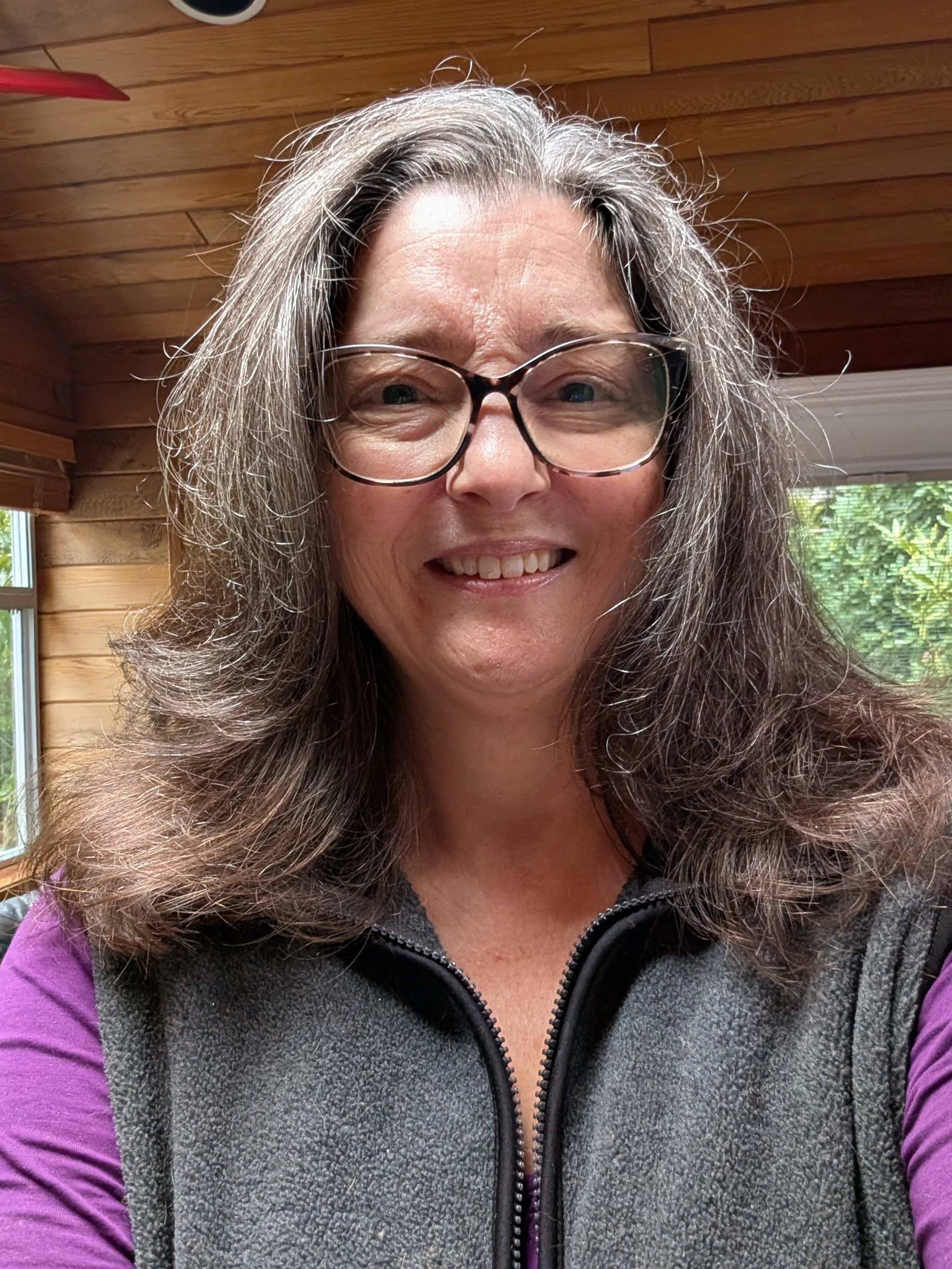
Retired audiologist Jan L. Mayes is a quiet activist, tinnitus and hyperacusis self-help strategist, and award-winning nonfiction author based in Vancouver. For more, see linktr.ee/janlmayes or janlmayes.ca/education.
The Latest Blog Posts



Our Emerging Research Grants program is the leading seed funding opportunity for early stage researchers. ERG also includes Expanded and Focused Discovery Awards, which are grant opportunities in specific topics (such as central auditory processing disorder, hyperacusis, Ménière’s disease, and tinnitus) that are open to eligible investigators at any career stage.