
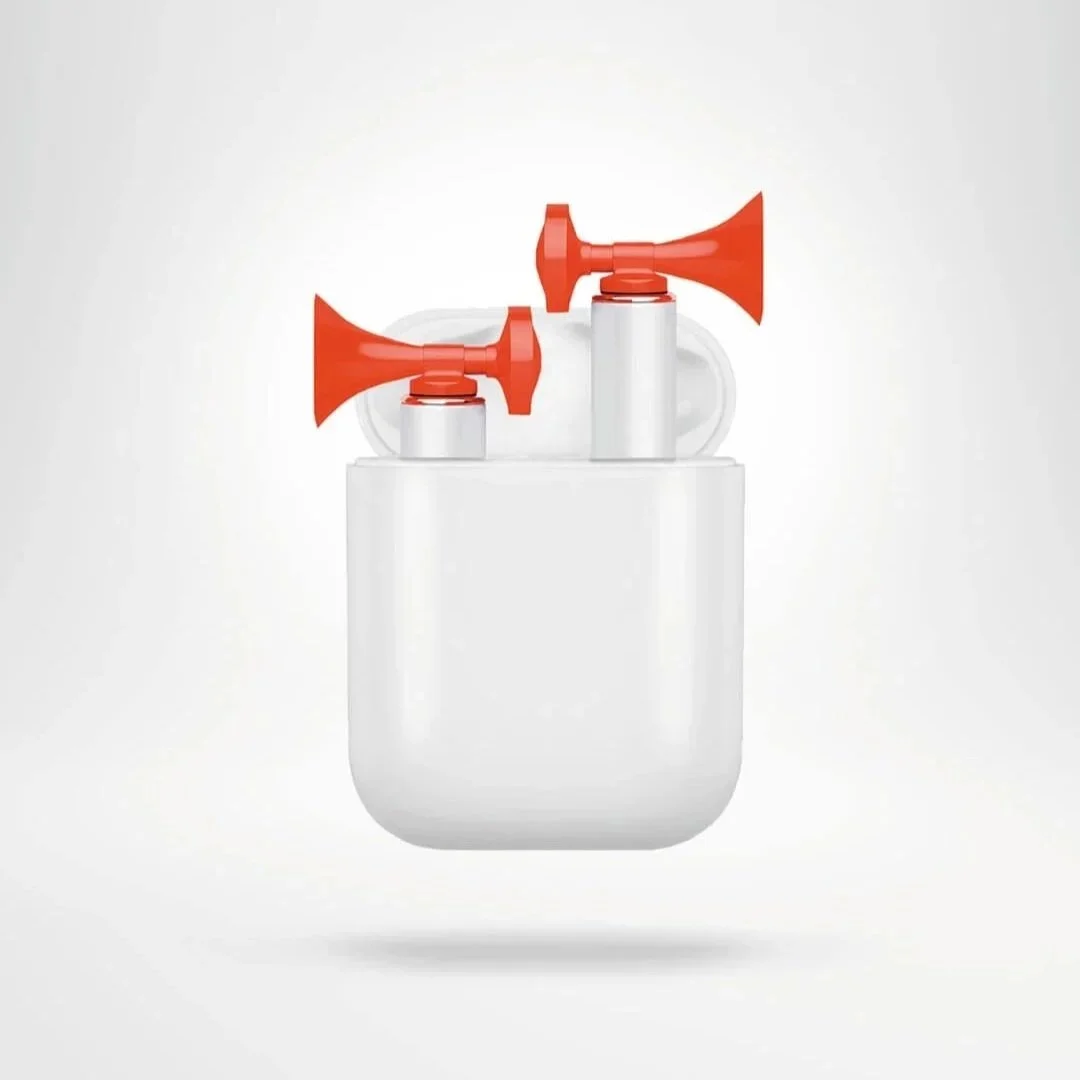
For more safe listening resources, see hhf.org/keeplistening. Credit: The Escape Pod
These three early symptoms can indicate our ears are under serious stress, according to an audio expert.
Whether we’re on a work call, at the gym, or trying to block out the world during our commute, earbuds have become as essential as our phone.
But audio expert James Grifo, the owner and CEO of Audio Visual Nation, which provides AV solutions for live, large-scale events, warns that this constant use comes with a hidden cost.
“Most people don't realize their hearing is being damaged until it's already happened,” Grifo says. “The symptoms are subtle at first, but they're your body’s way of telling you something is wrong.”
Here Grifo reveals the three most common warning signs that our earbuds are harming our ears, plus what we need to know about protecting our hearing now.
Why Our Ears Are Under Constant Attack
It’s not only the volume that’s the problem. Prolonged sound exposure, even at moderate levels, puts ongoing pressure on the delicate structures of our inner ear. When we add high volume into the mix, the damage accelerates.
Poorly fitted earbuds make things worse. When they don’t sit properly in our ear canal, many people compensate by turning up the volume to block out background noise. This creates a cycle where our ears are constantly working harder than they should.
“Think of it like holding a weight,” Grifo says. “Holding five pounds for a minute is easy. Holding it for eight hours straight causes serious strain. That's what's happening inside your ears when you wear earbuds all day.”
Modern noise-canceling technology has added another layer to this problem. While these earbuds are incredibly effective at blocking external sound, they also make it comfortable to listen for extended periods. What feels like a quiet, peaceful listening experience is actually prolonged exposure that our ears weren’t designed to handle.
Warning Signs
1. Persistent Ringing After Using Earbuds, Even Briefly
If we notice a ringing, buzzing, or hissing sound in our ears after taking out our earbuds, that’s tinnitus. This isn’t normal, even if it goes away after a few minutes.
“Tinnitus is your ear’s alarm system,” Grifo says. “It’s telling you that the tiny hair cells in your inner ear are stressed or damaged. If you’re hearing ringing after just 20 or 30 minutes of listening, that’s a red flag.”
It’s common for people to dismiss temporary tinnitus as no big deal since it fades. But repeated episodes indicate cumulative damage that can become permanent over time.
2. Needing to Increase Volume to Hear the Same Clarity
If we’re finding ourselves gradually turning up the volume to hear our music or podcasts as clearly as we used to, this is one of the earliest signs of hearing loss.
When the hair cells in the inner ear become damaged, they can’t pick up sounds as effectively. Our brain tries to compensate by making us turn up the volume, which then causes more damage in a vicious cycle.
“If you’re constantly adjusting your volume higher to get the same experience, your hearing has already changed,” Grifo says. “Most people don’t connect these dots until the loss is significant.”
3. Muffled or Dull Hearing After Taking Earbuds Out
Our hearing should return to normal immediately after removing your earbuds. If sounds seem muffled, dull, or distant, our ears are overstressed.
This temporary threshold shift happens when our ears have been exposed to sound for too long or at too high a volume. While our hearing might recover after a few hours or overnight, each episode causes wear and tear that adds up.
“This is especially common with noise-canceling earbuds,” Grifo says. “Because they’re so comfortable and block everything out, people wear them for three, four, five hours straight without realizing the cumulative effect on their ears.”
The danger is that these early symptoms often appear before people realize our hearing is genuinely at risk. By the time we notice we’re struggling to hear conversations in noisy environments or asking people to repeat themselves, the damage is already done.
Tips to Protect Hearing
“The good news is that protecting your hearing doesn't mean having to give up your earbuds. Start by following the 60/60 rule: Listen at no more than 60 percent volume for no more than 60 minutes at a time. Give your ears regular breaks throughout the day,” Grifo says.
“Invest in properly fitted earbuds that create a good seal. When they fit correctly, you won't need to crank up the volume to block out background noise. And use your device’s built-in health features. Both iPhones and Android phones now track your audio exposure and will alert you when you've been listening too loudly for too long,” he adds.
“If you’re already experiencing any of these warning signs, see an audiologist. Hearing damage is permanent, but catching it early means you can prevent further loss.”

Audio expert James Grifo is the owner and CEO of Audio Visual Nation, which provides event professionals and production support for live, large-scale corporate events.
For more safe listening resources, see hhf.org/keeplistening.
The Latest Blog Posts





Hearing Health Foundation (HHF) is very pleased to announce the addition of four new members to our Board of Directors: Andreas H. Eckhard, M.D., Steven D. Rauch, M.D., Konstantina Stankovic, M.D., Ph.D., FACS, and Daniel J. Tollin, Ph.D.