
By Tomer Aharoni
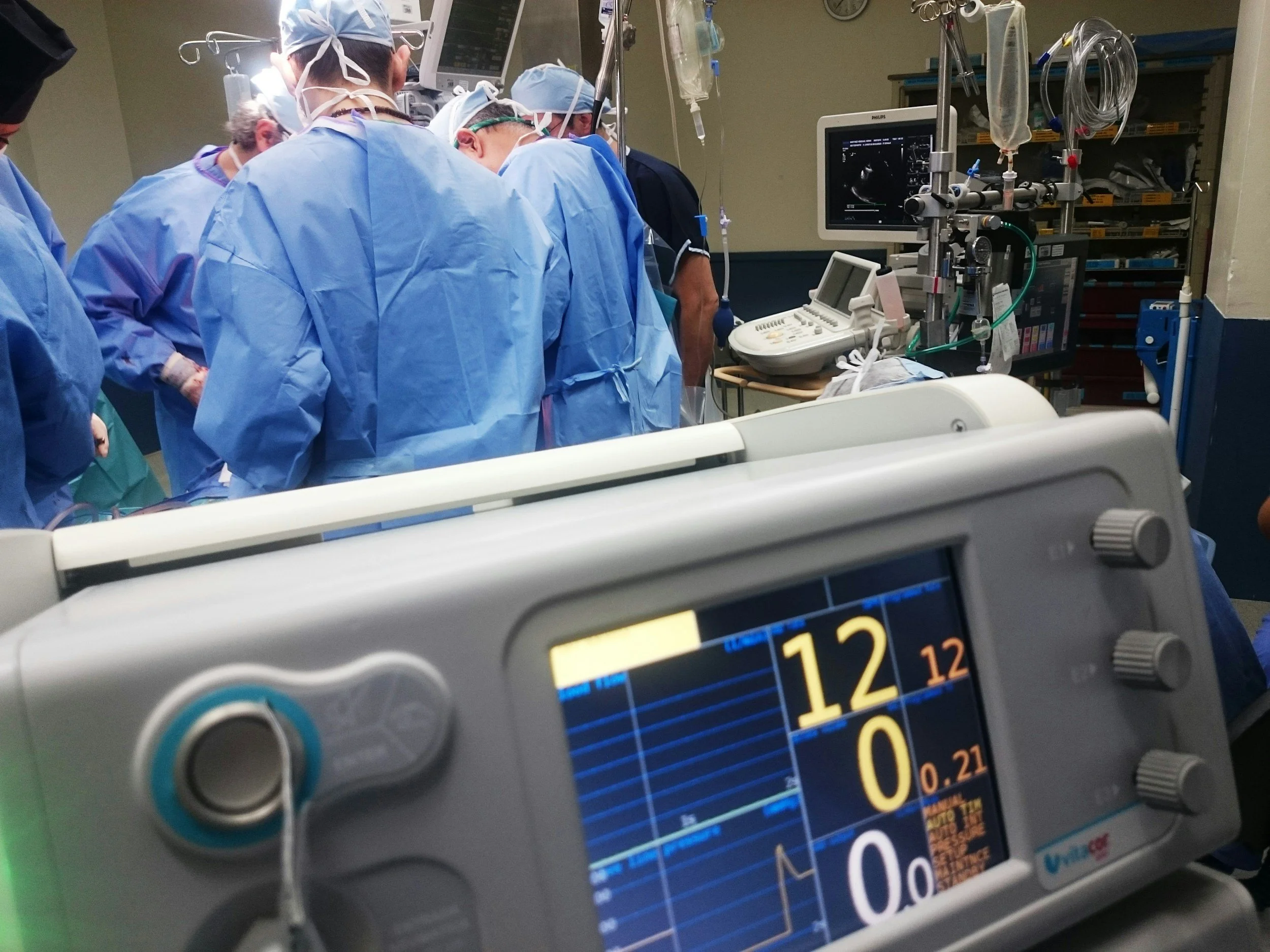
Credit: @nmelchorh/Unsplash
Hospital dramas thrive on urgency: A patient crashes, a diagnosis hangs in the balance, and doctors speak with rapid intensity. Yet, these fast-paced scenes rarely capture another crisis unfolding simultaneously: the communication barrier for some patients.
The dramatic tension in shows like “The Pitt” mirrors a serious problem in real-world healthcare. High-stakes medical environments still rely on outdated communication models. In episode 6, season 2, of “The Pitt,” we see that despite Nurse Princess’s fluency in six languages, she cannot fully interpret for a Deaf patient.
When an American Sign Language (ASL) interpreter is unavailable or real-time captioning is missing, vital information is lost, leading to diagnostic and treatment delays. These delays can result in serious misunderstandings, particularly concerning critical medical and post-operative instructions.
As pop culture is increasingly highlighting this gap, healthcare institutions need to notice and, in turn, update their systems in response.
For Deaf and hard of hearing (DHH) individuals, these breakdowns in healthcare are not a dramatic plot twist, but a lived reality where they often cannot access the conversation at all.
According to a November 2025 report by our captioning app Nagish:
62 percent of Deaf and 66 percent of hard of hearing individuals report that communication barriers in healthcare lead to treatment delays and misunderstandings.
20 percent of Deaf and 24.3 percent of hard of hearing respondents fear these barriers would prevent them from contacting healthcare personnel in an emergency.
When patients believe they won’t be able to communicate clearly in a crisis, some delay or avoid seeking care altogether. Then the situation can escalate into a health equity issue when patients anticipate being misunderstood. Ultimately, ensuring communication access is fundamentally a matter of patient safety, not merely one of compliance.
Hospitals and health systems have widely adopted artificial intelligence (AI) to enhance efficiency and improve patient outcomes in areas like imaging, clinical reporting, and operational workflows. However, communication accessibility is often neglected and has not kept pace with these AI advancements in healthcare.
It is crucial to understand that AI is not a substitute for qualified human interpreters in complex medical discussions. Nevertheless, it can effectively close critical gaps, especially in urgent or unscheduled situations where delays are unacceptable.
Implementing current technologies, such as live transcribing and ASL interpreting via mobile device, allows hospitals to meet accessibility compliance and significantly improve patient outcomes. Importantly, these tools also help restore patient autonomy during moments of greatest need.
Awareness on its own isn't enough to drive structural change. True change demands that healthcare systems actively implement accessible tools, clear protocols, and modern, efficient, and inclusive technologies for DHH individuals that match the quality of current hospital infrastructure.
If communication barriers are preventing people from seeking care or understanding their treatment, that’s a system failure. Technology gives us a chance to fix it. With AI already transforming healthcare, the vital next step is ensuring this evolution is inclusive of everyone.

Tomer Aharoni is the CEO and cofounder of Nagish, which provides real-time captioning for phone calls and in-person conversations.
The Latest Blog Posts



Our Emerging Research Grants program is the leading seed funding opportunity for early stage researchers. ERG also includes Expanded and Focused Discovery Awards, which are grant opportunities in specific topics (such as central auditory processing disorder, hyperacusis, Ménière’s disease, and tinnitus) that are open to eligible investigators at any career stage.