
By Oren Lande
I’ve been a gamer for most of my life. Like a lot of people, I find that gaming is where some of my closest friendships live. You log on after work, you join a group, you play together. The game is almost beside the point. It’s the conversation that matters. The jokes. The strategy. The “how was your day” that happens between boss fights.
All of that runs on voice chat. And for millions of deaf or hard of hearing gamers—including myself—voice chat is a wall.
You can be in the game. You can be on the team. But you can’t hear what anyone is saying. You’re in the room, but you’re not in the conversation. And nobody in the gaming industry has built a solution for it. Not the game studios, not the platforms, not the voice chat providers. Nobody.
I started noticing this gap a few years ago. I watched every live captioning solution fail gamers like me—too slow, too inaccurate, too clunky to actually use while playing.
Deaf or hard of hearing (D/HH) gamers type while everyone else talks. We miss callouts. We miss jokes. We miss the part of gaming that makes it more than just pressing buttons. Some of my D/HH peers told me they’d given up on multiplayer entirely. Not because they couldn’t play, but because they couldn’t communicate.
That stuck with me. Not as a business idea. Just as a problem that needed to be solved.
Part of it is personal. In addition to being hard of hearing myself, I have a young son who’s growing up, and I think a lot about the day we’ll sit down and play games together. Gaming can be one of those rare things where a parent and child actually connect on equal ground. I didn’t have that growing up, and I promised myself my son would.
But that bonding only works if both people can be part of the conversation. I kept thinking about all the parents and kids out there for whom hearing loss makes that moment impossible because one of them can’t hear the other.
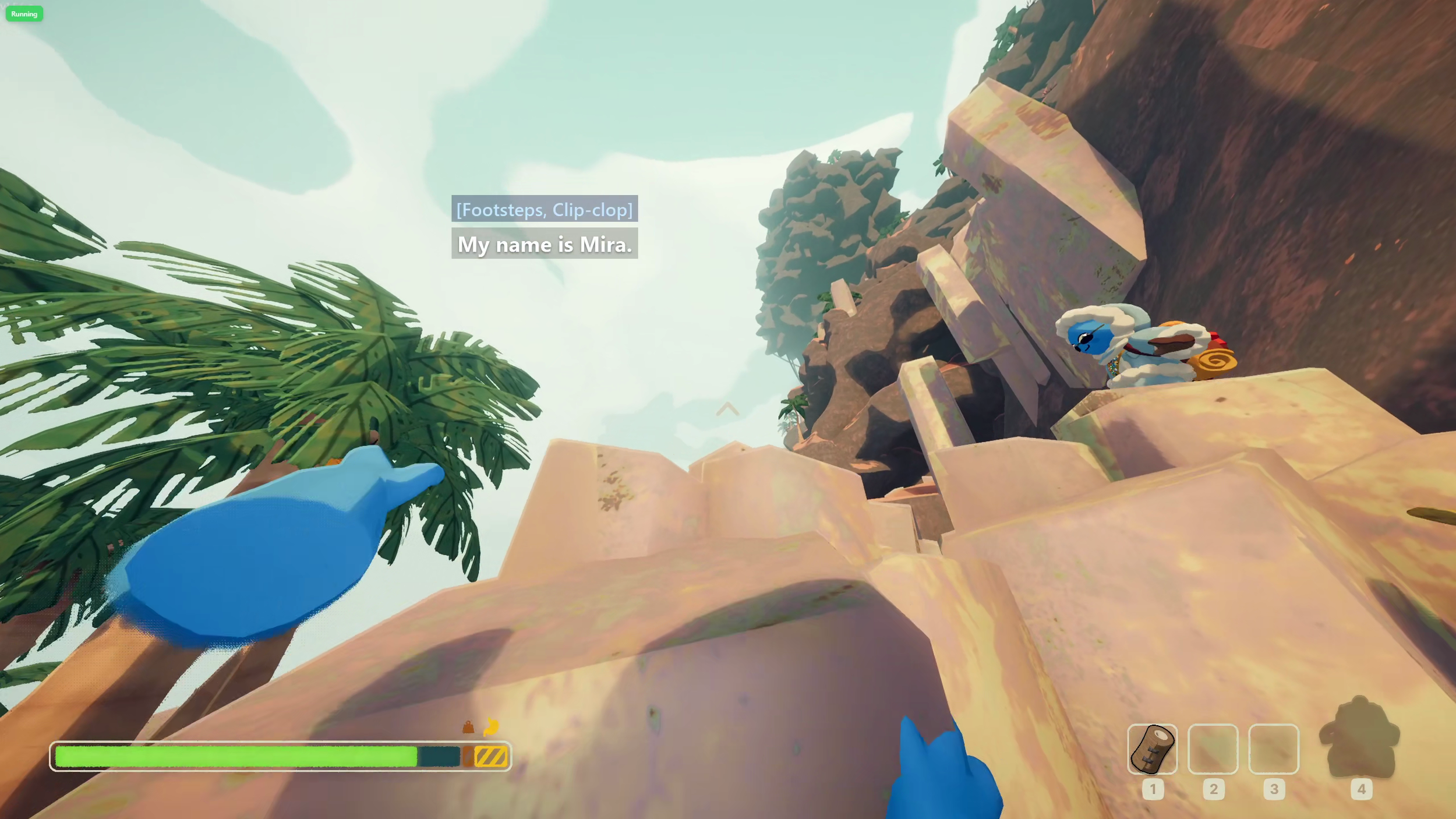
Peak is a colorful, cooperative, adventure game. The caption overlay shows both a voice transcription (“My name is Mira”) and a sound event tag (“[Footsteps, Clip-clop]”), giving D/HH players awareness of both speech and environmental audio cues they would otherwise miss.
So as a software engineer, I started building. What became CaptionsRush is a tool that captions voice chat in real time. While you’re in a game, it listens to the voice conversation and displays live text on your screen so a D/HH player can read what their teammates are saying as they say it.
The first version was rough. I built it to work, and then I started showing it to people.
What surprised me most was the emotion. I wasn’t prepared for it. One woman, a deaf gamer who had been searching for years for what she called “the golden goose” of live captioning, told me I was the closest anyone had come to being that goose.
She said that for the first time ever, she was able to have a free voice conversation with a friend in another country. She’d dreamt about that for years. Years of looking, trying different tools, being disappointed. And now she could just talk to her friend.
Another story that hit me hard was a couple who reached out. The woman is hard of hearing, and they’d always wanted to play Fortnite together. Voice chat was the barrier. After they tried CaptionsRush, they wrote to me saying they couldn’t thank me enough for giving them those moments together. Not “giving them a product.” Giving them moments.
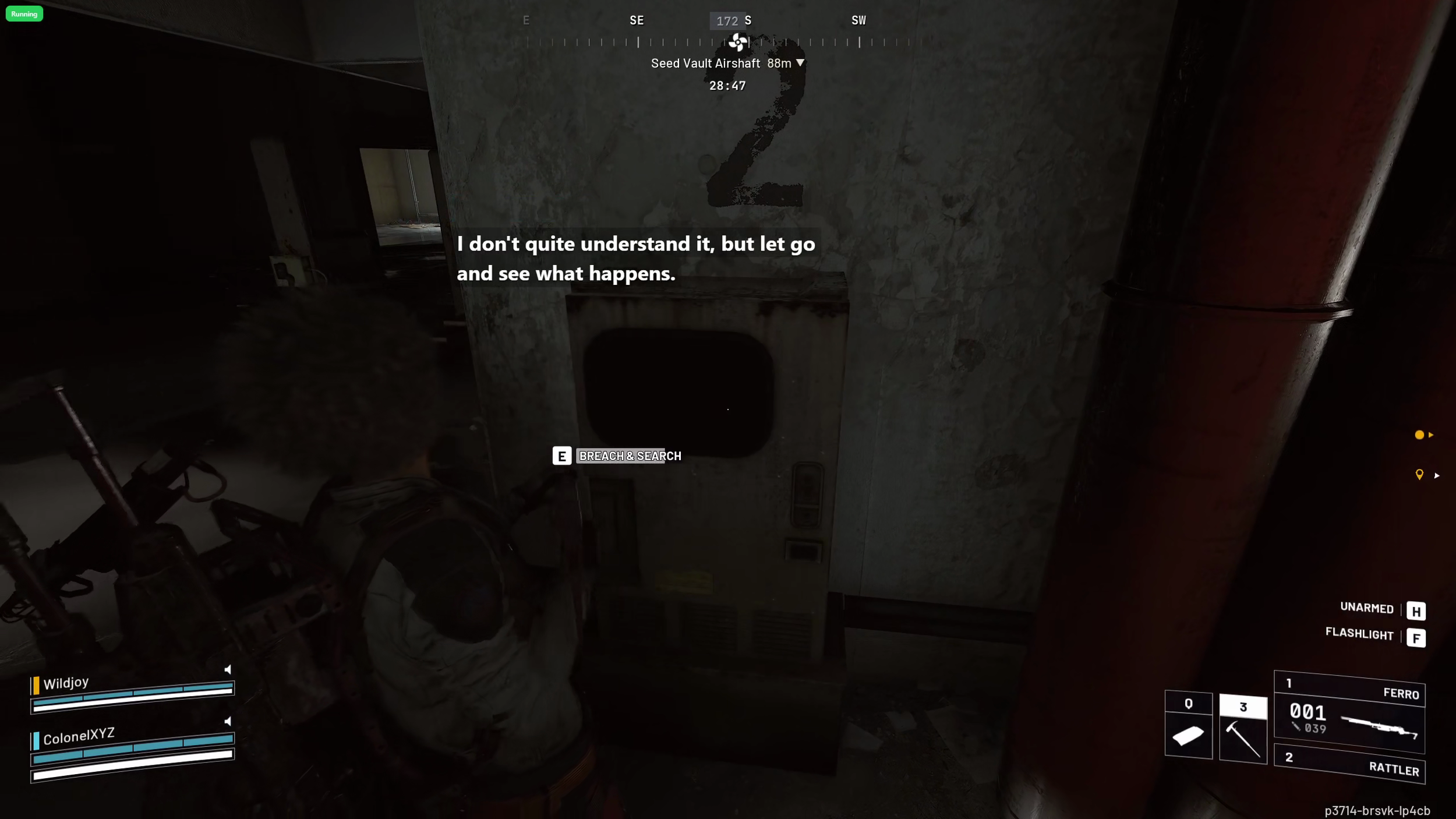
Arc Raiders is a tactical multiplayer shooter where players coordinate in teams. The white caption text on screen reads “I don’t quite understand it, but let go and see what happens”—that’s a teammate’s voice being transcribed live so a D/HH player can follow the conversation during gameplay.
That’s when it stopped being a side project and started being something I felt responsible for.
I made the decision early on that CaptionsRush would have a real, usable free tier. Not a limited trial. Not a teaser. Accessibility shouldn’t come with a tax. People who are D/HH already spend so much of their lives working around inaccessibility. The basic ability to communicate with your friends shouldn’t be another thing you have to pay for.
There is a paid tier, and I want to be honest about why. The free version runs on your own computer, which works well for many people. But the truth is that local speech recognition technology isn’t where it needs to be yet. It struggles with some accents, it doesn’t support many languages reliably, and it demands a powerful computer to run well. Not everyone has that.
A D/HH gamer in Brazil, or in South Korea, or someone playing on a modest laptop deserves the same quality captions as someone with a high-end gaming PC who speaks English. So CaptionsRush also offers a cloud option that handles more languages, works on weaker hardware, and provides more accurate results.
That’s what the paid tier covers. I don’t profit from it. The price is set to cover the cost of running those cloud services and nothing more. Everyone deserves the best quality, regardless of what language they speak or what computer they own.
There’s another angle to this I didn’t expect when I started: hearing protection. A number of users have told me they use CaptionsRush not because they can’t hear, but because they want to turn their volume down.
Gamers, especially younger ones, often play with headsets at high volume for hours. Having live captions on screen means you can lower the volume and still follow the conversation. You’re not relying on your ears alone. For anyone worried about long-term hearing damage from extended headset use, that’s a real benefit.
What I’ve learned over the past year is that building this alone isn’t enough. I can write the code, but I can’t tell every deaf gamer what they actually need mid-match better than they can. The product only gets better when real users—people who are also D/HH and live this every day—try it and tell me what’s broken, what’s confusing, what they wish it did. That feedback loop is the entire development process.
I didn’t set out to start a company or build a brand. I saw a problem that affected real people in a space I care about, and I started building. The community forming around CaptionsRush is what keeps me going. Their voices are shaping what this becomes.
Another part of this is advocacy. The first concrete thing I want to push for as a community is a dedicated accessibility option that automatically lowers SFX, music, and ambient audio when someone speaks on voice chat, while keeping the voice channel at full volume. That single change would dramatically improve speech-to-text accuracy across every game that implements it.
I’ve spoken to more than 10 studios who are waiting to see the numbers. When a studio knows that meeting our accessibility standards means CaptionsRush recommends their game—driving a wave of D/HH players, better Steam rankings, real exposure—the conversation changes.
If you’re a gamer with hearing loss, or you know someone who is, I’d love for you to try it. Not because I want a sale. The free tier exists for a reason. But because your experience is the only thing that makes this tool actually work for the people it’s built for.
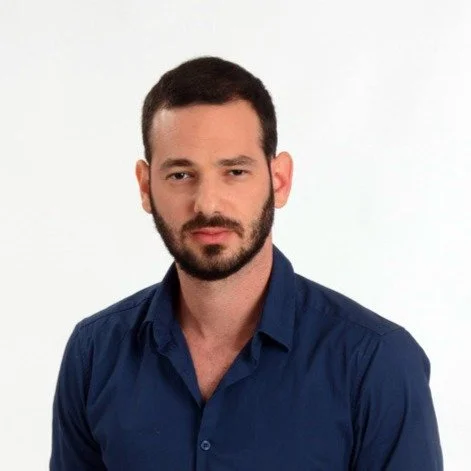
Oren Lande is a software engineer based in Tel Aviv and the founder of CaptionsRush. For more, see captionsrush.com.
The Latest Blog Posts


Hearing Health Foundation (HHF) is very pleased to announce the addition of four new members to our Board of Directors: Andreas H. Eckhard, M.D., Steven D. Rauch, M.D., Konstantina Stankovic, M.D., Ph.D., FACS, and Daniel J. Tollin, Ph.D.