
By Amanda Griffin, Ph.D., Au.D.
Children with hearing loss in one ear (unilateral hearing loss) are at risk for academic underachievement, cognitive weaknesses, behavioral problems, psychosocial issues, speech and language delays, and decreased quality of life. Hearing health care professionals are becoming more aware of these risks and are eager to provide audiological interventions in an effort to potentially abate these challenges.
Cochlear implantation (CI) has become an increasingly common audiological solution for children with the most significant degree of unilateral hearing loss—that is, single-sided deafness (SSD)—however, highly variable outcomes are being observed with alarming rates of device nonuse.
One possible factor that could contribute to the significant variability in outcomes for children with SSD is comorbid (co-occurring) psychological diagnosis/diagnoses such as autism spectrum disorder (ASD), attention-deficit/hyperactivity disorder (ADHD), anxiety, and depression.
For our paper published in the American Journal of Audiology in June 2026, we analyzed neuropsychological profiles of all pediatric patients with SSD who were referred to a tertiary hospital for consideration or following receipt of a CI between January 2021 and June 2024.

Credit: @irasutoya/Canva
Twenty-three of 52 (44.2 percent) children with SSD in this clinical sample were found to have a coexisting psychological diagnosis. For 15 of the 52 (28.9 percent) patients, neuropsychological testing revealed previously undiagnosed and untreated conditions.
The majority of school-aged children with SSD (16 of 27, or 59.3 percent) were found to have at least one co-occurring psychological condition—which is more than four times the expected rate of 14.3 percent of children aged 10–19 years old in the general population, according to a 2025 World Health Organization report.
The most common diagnoses in school-aged children were ADHD and anxiety disorders. It is important that this reported proportion of psychological comorbidities is not misconstrued as the prevalence for children with SSD generally. Rather, it represents the proportion of a clinically referred sample to a CI team, and care must be taken not to overgeneralize these findings.
Future work is needed to better understand the true prevalence of coexisting psychological conditions in children with SSD. It is possible this sample underrepresents children who are not significantly impacted by their SSD, as these children and families may be unlikely to pursue cochlear implantation.
Nonetheless, these initial findings suggest significant neuropsychological vulnerabilities in children with SSD pursuing CI, and future work is necessary to understand if and how psychological comorbidities relate to audiological outcomes.
We hypothesize that by viewing the child holistically—and supporting psychological needs alongside audiological needs—we can potentially reduce some of the significant variability in outcomes presently being observed in the SSD and CI population. Ensuring we are treating the whole child, and not just their auditory deficits, is a necessary step toward patient-tailored, evidence-based approaches to intervention decisions and is imperative to maximizing outcomes in children with unilateral hearing loss.
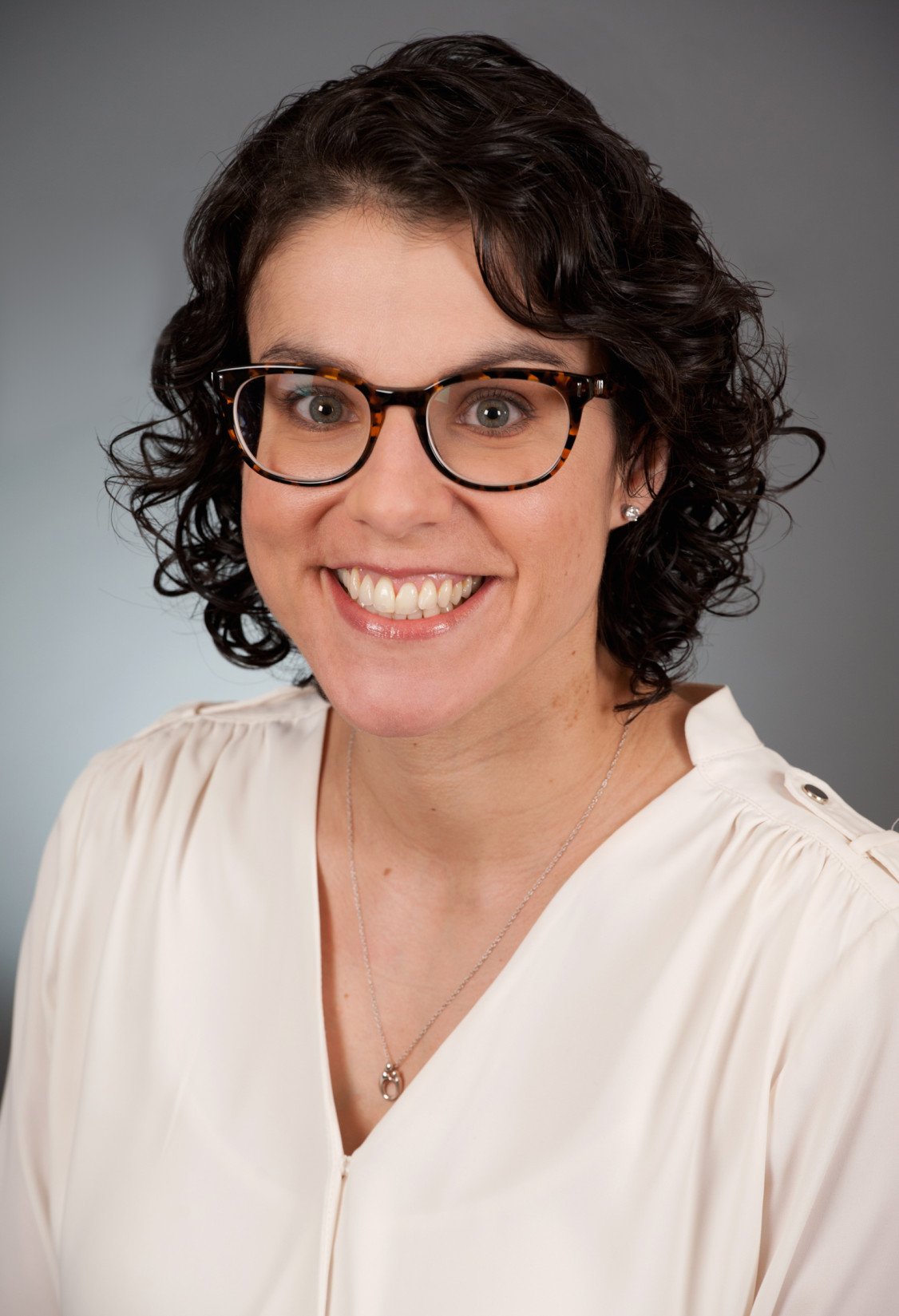
Amanda Griffin, Ph.D., Au.D., is the director of audiology research at Boston Children’s Hospital, where she specializes in cochlear implants, and an instructor in otolaryngology–head and neck surgery at Harvard Medical School. Griffin’s 2024–2025 Emerging Research Grant (ERG) was generously funded by Royal Arch Research Assistance.

The Latest Blog Posts



Our Emerging Research Grants program is the leading seed funding opportunity for early stage researchers. ERG also includes Expanded and Focused Discovery Awards, which are grant opportunities in specific topics (such as central auditory processing disorder, hyperacusis, Ménière’s disease, and tinnitus) that are open to eligible investigators at any career stage.