
By Mitchell Batavia, PT, Ph.D.
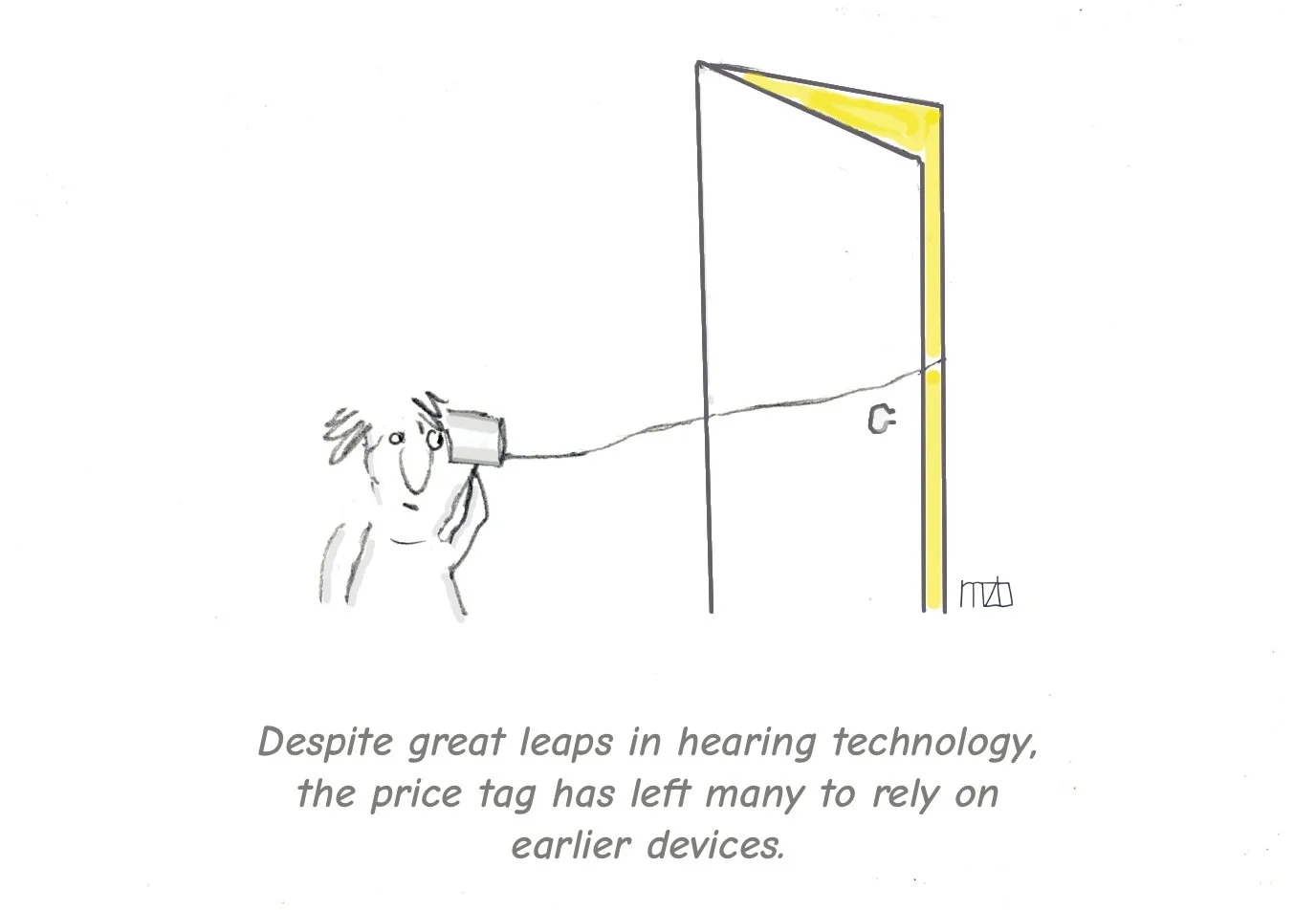
As a hearing aid user for over a decade, I’ve witnessed companies boasting about advances in hearing aid technology with each new release and added feature: AI, deep neural networks, noise-cancellation, anyone?How about real-time signal processing, tinnitus management, or remote fittings?
In theory, these advances are laudatory for sure, but what about affordability? Aren’t advances in technology supposed to lower prices, not increase them? Look at televisions, smartphones, laptops—all became less expensive with technological advances.
According to Moore’s Law, the number of transistors that can fit on a chip will continue to double every 18 months, which should make computing cheaper and more powerful.
But hearing aids? According to Hearing Tracker, the cost of prescription hearing aids in 2026 range from $2,000 to $8,000 per pair, and prices for prescription aids continue to increase over time.
Is there sufficient competition in this industry? At least one outlet, The Capitol Forum, notes that despite the creation of the over-the-counter hearing aid category, prescription hearing aid market competition remains limited.
The Capitol Forum story reports that “the market for hearing aids remains tightly controlled by five large device manufacturers that—often unbeknownst to patients—continue to shape pricing and access via their vertical integration with audiology clinics, insurance benefits managers, and practice management groups."
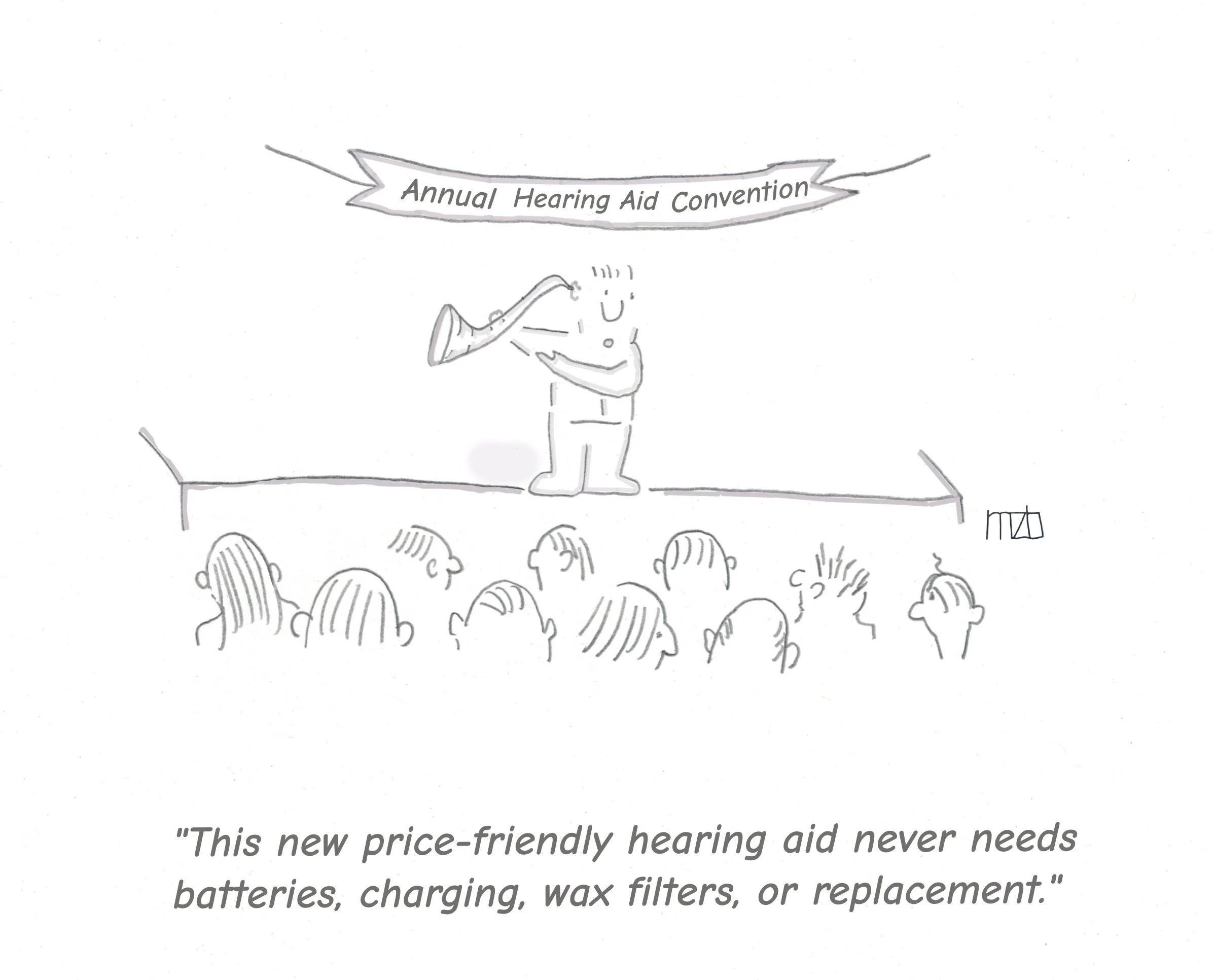
Are high-end manufacturers overemphasizing the development and promotion of new costly features over rigorous cost-utility research? Where is the priority on cost containment and improved access to prescription hearing aids (such as better insurance coverage)?

Mitchell Batavia, PT, Ph.D., is an associate professor of physical therapy at New York University. In addition to cartoons and flash fiction, he has published healthcare textbooks with Elsevier and Butterworth-Heinemann.
The Latest Blog Posts


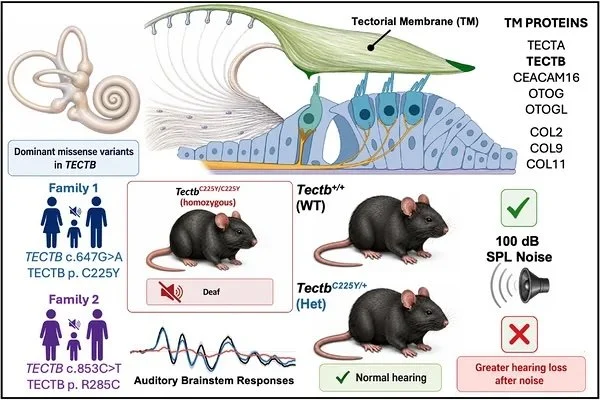
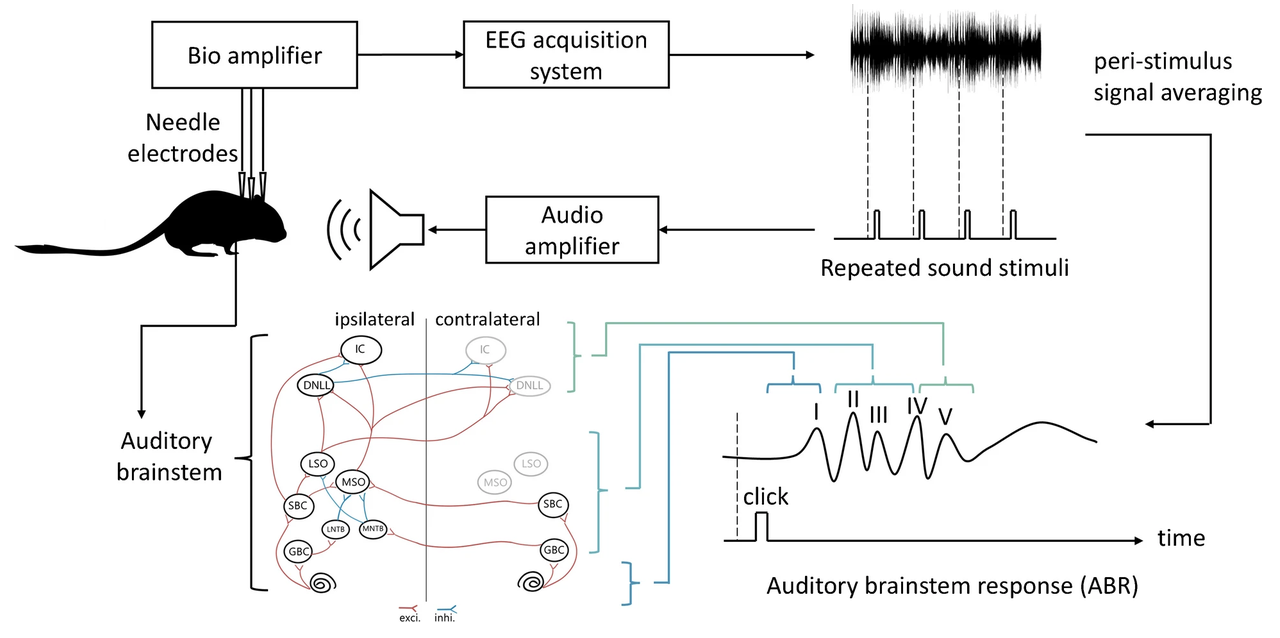

Our Emerging Research Grants program is the leading seed funding opportunity for early stage researchers. ERG also includes Expanded and Focused Discovery Awards, which are grant opportunities in specific topics (such as central auditory processing disorder, hyperacusis, Ménière’s disease, and tinnitus) that are open to eligible investigators at any career stage.