
By Sam Shear
Several years ago I kept noticing the same thing at family gatherings: Conversations that used to include everyone had quietly shrunk. The clearest lesson came from my grandmother’s dementia care home in London. The nurses there would play music to trigger memories. It’s a well-established technique, and it works.
Except I watched it fail for the simplest reason imaginable—she couldn’t hear the music and as such the music couldn’t reach the memory. My grandma needed hearing care before the therapy could do anything at all, no matter how much Frank Sinatra was played.

Credit: @jontyson/Unsplash
She wasn’t the only one in my family struggling, and what troubled me most was that the others knew it and still wouldn’t get help. My grandpa refused because of what a hearing aid would say about his age. Another relative balked at the price. A third found the whole maze of referrals, appointments, and fittings too exhausting to face.
Stigma, cost, access. Three people I loved, three different barriers.
I had graduated from University College London and was working in technology. I started reading everything I could about hearing loss, and the research was worse than I expected: Untreated hearing loss is linked to an increased risk for isolation, depression, cognitive decline, and falls.
Then one comparison stopped me. In Britain, where the National Health Service provides hearing aids for free, roughly half of people with hearing loss wear them. In the United States, with no NHS, no traditional Medicare coverage, and clinic prices of $4,000 to $6,000 a pair, hearing aid adoption has historically run closer to 20 percent.
I’m British and I could have built something at home, but the need in America was on a different scale entirely, with tens of millions of people facing my family’s problem inside a system with higher walls. I felt that if I was going to spend a large part of my life on a problem, I wanted to reach the maximum amount of people possible in a system that needed fresh ideas.
In 2019 I launched Yes Hearing in New York around a simple inversion: Instead of asking people to get themselves to hearing care, we send the care to them. Licensed audiologists and hearing specialists visit patients at home for testing, fitting, programming, and follow-up, in every corner of the country where our 800-plus provider network can reach, which today means 43 states. We provide hearing aids from all the major hearing aid manufacturers.
The home turned out to change the care itself. A clinic tests your hearing in a sound booth, the quietest room you’ll ever sit in. We test where you actually live: the television on, the refrigerator humming, your partner calling from the kitchen. We program hearing aids against the real soundscape of your life.
One visit I think about often was to a couple on a ranch in Texas, a long drive from the nearest audiology practice. They had gone 11 years without care, not out of denial but distance. Our specialist tested and then fit both of them at the kitchen table, tuned the devices to the rooms they lived in, and the first phone call the couple made afterward was to excitedly tell their children living away from home to share the news.
Care that requires a three-hour drive isn’t really tenable and with our widespread network, we can now reach over 80 percent of the U.S. population. For the remaining roughly 20 percent, we provide a fully virtual experience with a licensed specialist.
Hearing aids were never really the product. The product is someone rejoining the dinner table conversation. My family taught me how many reasons people come up with to go without help, and my work is removing those reasons, one at a time. I’m on a mission to make getting hearing care the easiest choice a person can make, as early as possible.
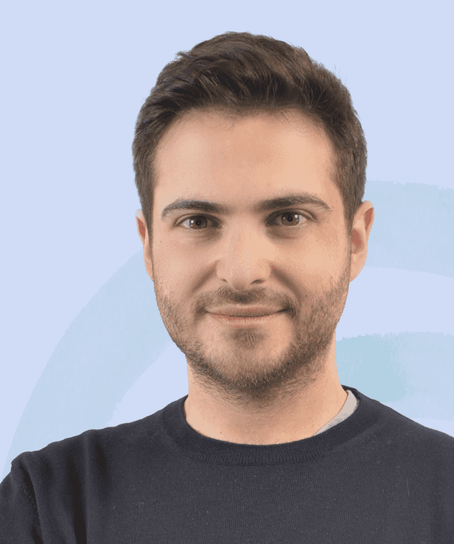
Sam Shear is the CEO and co-founder of Yes Hearing.
The Latest Blog Posts


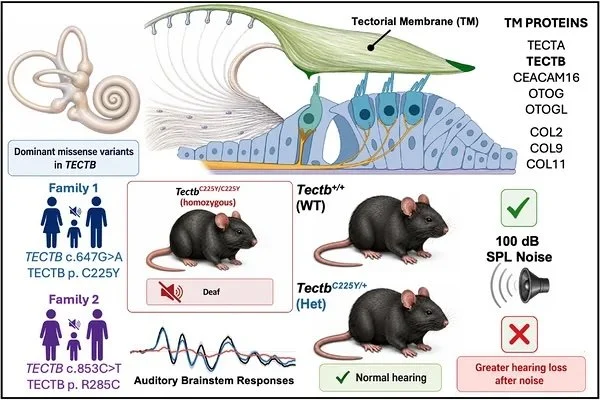
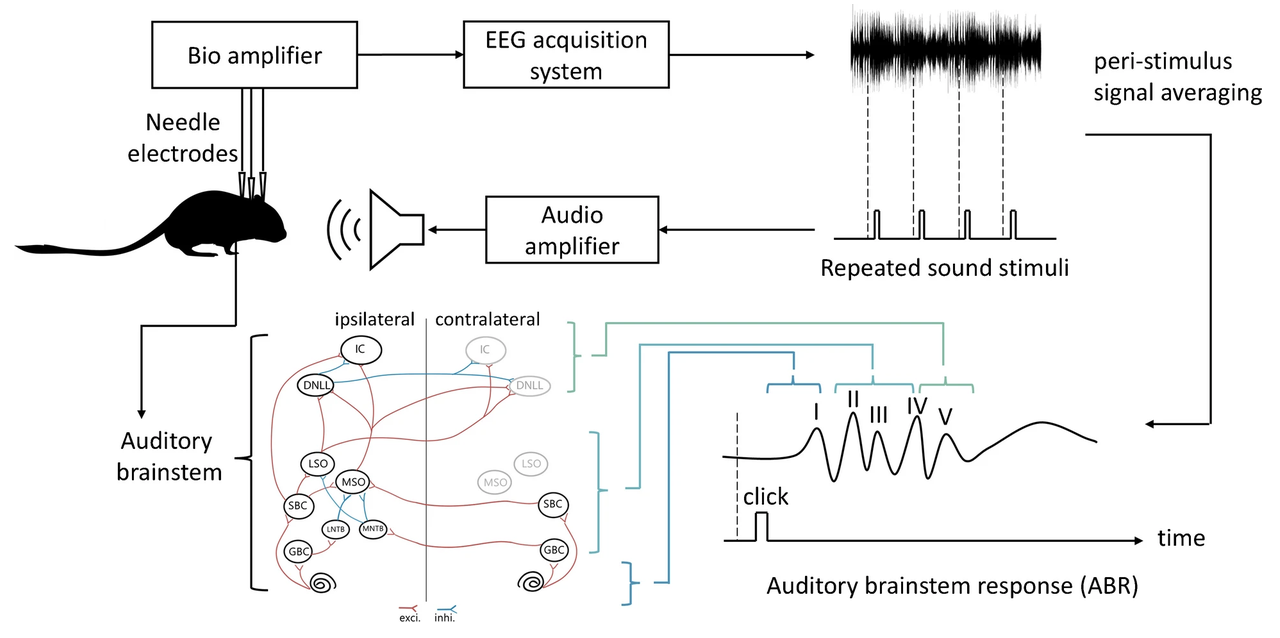

Our Emerging Research Grants program is the leading seed funding opportunity for early stage researchers. ERG also includes Expanded and Focused Discovery Awards, which are grant opportunities in specific topics (such as central auditory processing disorder, hyperacusis, Ménière’s disease, and tinnitus) that are open to eligible investigators at any career stage.