
From a childhood hearing loss diagnosis to a lifetime navigating bipolar disorder, this former journalism student finds her voice, returns to music, and amplifies her true purpose.
By Dacia Blodgett-Williams
I was born six weeks overdue in July 1970 in Elmira, New York. The umbilical cord was wrapped around my neck and I was turning blue. It took the labor and delivery team some time to get me breathing. My mother told me later that she was frantically asking for me, but the team wouldn’t let her see me right away. Much to her relief, I was scrappy and held on to meet her.
For as long as I can remember, I relied on visual cues to understand the people around me. Born into a family with three older siblings, I was also parented by as many as five people at the same time.
And in my family, reading was encouraged from a young age. In fact, it was common for my parents, paternal grandmother, and my siblings to read to me. Richard Scarry’s books were my favorite because he always drew such fun little surprises within his illustrations.
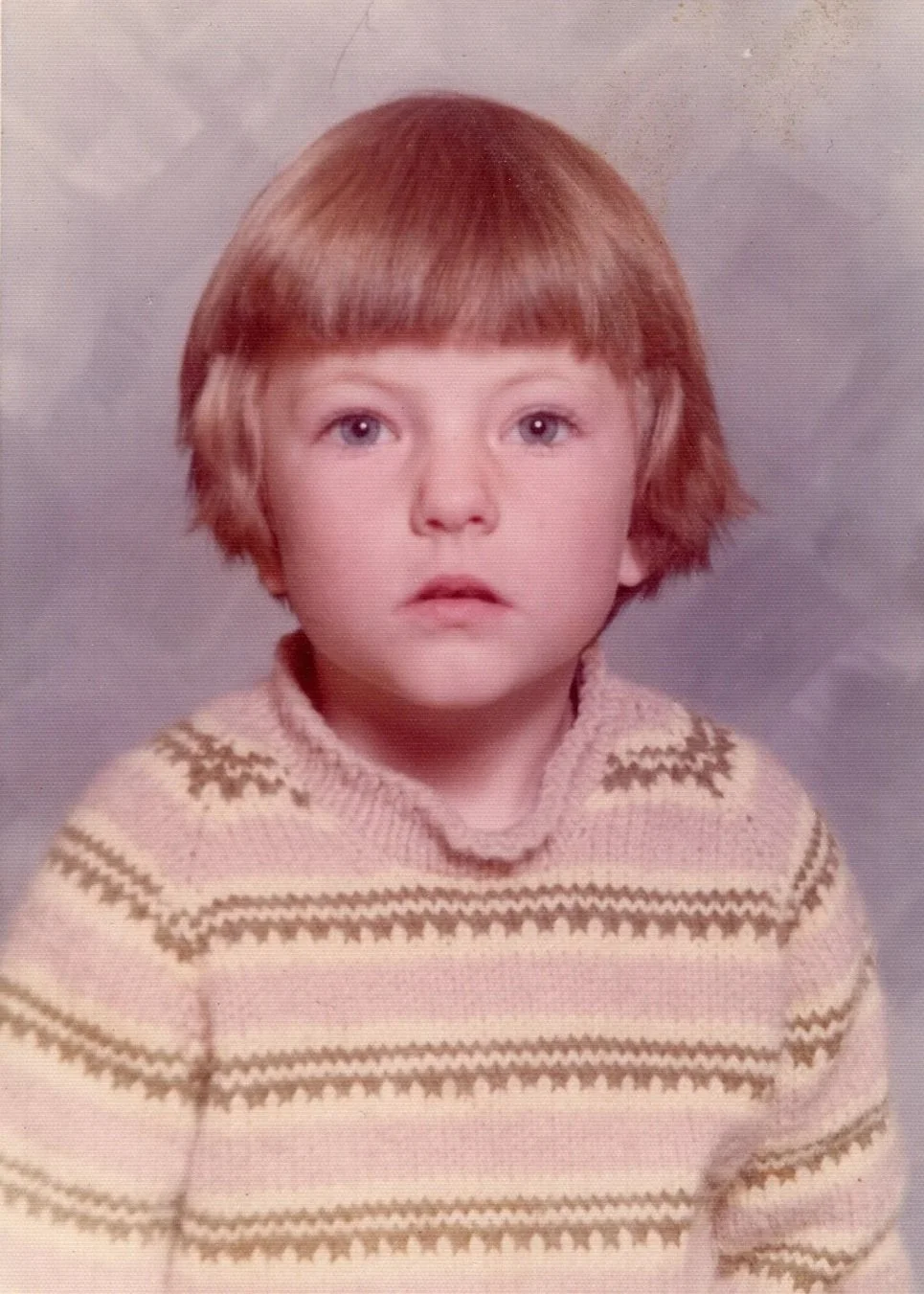
Because of her undiagnosed hearing loss, Dacia couldn’t understand the photographer's instructions. This kindergarten photo still haunts her today.
However, some stories were harder for me to grasp, and Nana was the first to notice. “She doesn’t respond normally,” she told my mother one day when I was around 4, and had squirmed and twisted to look at Nana’s lips.
Our family moved when I was 5, and I was enrolled in kindergarten in the Burbank school district, which was an adjustment as the classes were much larger than my little school in New York.
Early in the school year, pictures were taken, leading to a most frustrating experience because I couldn’t understand the photographer's instructions. My kindergarten picture haunts me still today. Also early in the year, my teacher told me to go to the school nurse’s office.
“But I’m not sick,” I replied. Plus, I didn’t know where to go. After a little wandering, I managed to find her, and “played” what I thought was a weird game using earphones, which ultimately had big consequences I wasn’t aware of.
I returned to my classroom and forgot all about my time with the nurse. The school year passed quickly. Near its end, the nurse called my mom.
“Mrs. Blodgett, I tested your daughter’s hearing at the beginning of the year. I just reviewed the records. I’m afraid your daughter doesn’t hear very well at all. I recommend you see an audiologist.”
Within weeks, I was in an otolaryngologist’s office. My hearing was tested again, this time in a sound booth with scary animatronic monkeys in two corners. I was faced toward a window, earphones were placed on my head, and I was instructed to raise my hand when I heard a sound.
I did my best, but when the doctor confirmed I had a hearing loss, I felt like a failure. Years later, my older sister pointed out our mother felt the same way.
“How did I miss that?” my mother had wailed.
We were informed that my loss was severe to profound. So, not deaf. But not hearing either.
At the beginning of my 1st grade year, I was fitted with a pair of analog hearing aids. Even though I was getting more auditory input, I still missed a lot because lipreading my classmates was hard.
Fast forward to 5th grade, and my aids were now nearly five years old. And failing me. So we looked into upgrading. Unfortunately, not much had changed with technology and the cost was a factor. Subsequently, I went through the remainder of my elementary and secondary studies without any assistive devices, ASL interpreters, or notetakers.
Still, I was scrappy, determined, and very persistent. I studied hard, reading in and outside of school to keep up with my AP classes. With my brother’s help, I learned the piano. I also sang in the choir. I ultimately graduated with honors from high school and was accepted as a music major at California State University, Northridge (CSUN).
In the fall of 1988, I attended the orientation for deaf students and felt motivated to learn American Sign Language for the first time. I also learned that the California Division of Rehabilitation could fit me with new hearing aids, an offer I took.
Thankfully, the technology had improved by then. I also took advantage of the National Center on Deafness, located at CSUN, which provided ASL interpreters, notetakers, and academic counseling.
I learned early on that music wasn’t a good choice for me, so I studied journalism instead. It took me five years, but I did finish college. I cherished my time at CSUN. The journalism program was top-notch, NCOD’s services were great—and I met my husband through NCOD.
Over the years we lived in Oregon, Oklahoma, and Virginia, and had three children. I was also coping with major challenges with my mental health (a diagnosis of major depressive disorder, postpartum depression, and hospitalizations).
During one hospitalization I was finally diagnosed with bipolar disorder II, which doesn’t have as extreme mania as type I, but a lot of my mental health challenges made more sense. Still, I struggled, dealing with three hearing children close in age and my own declining hearing.
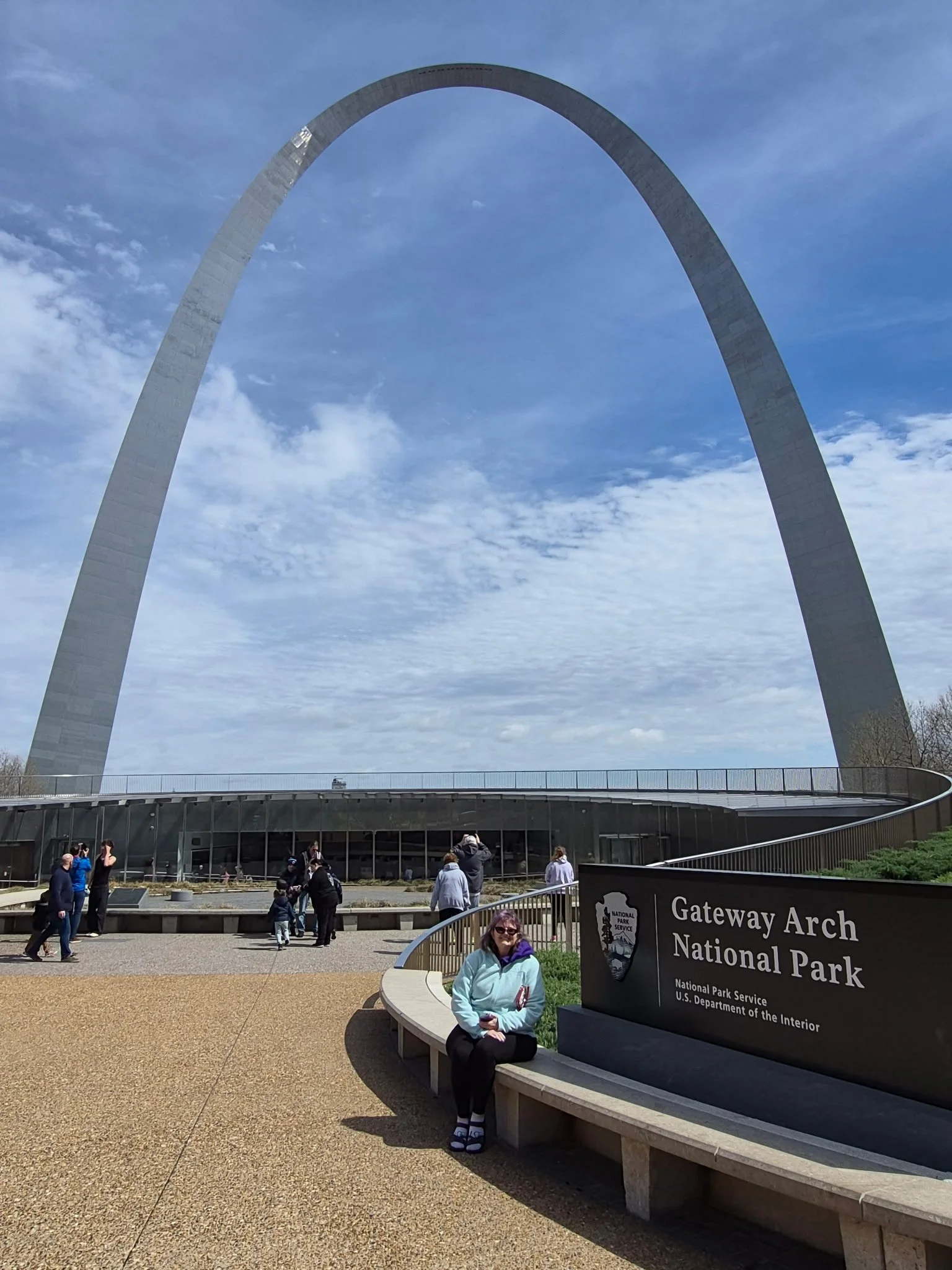
Dacia at the Gateway Arch in St. Louis, which she visited during The HIKE Fund’s board of directors meeting in March 2026.
In 2009, I became a candidate for my first cochlear implant for my left ear, which I used with a hearing aid on my right ear for five years. At age 44 I received my second implant.
My adjustment to hearing with bilateral implants went smoother than my husband or I anticipated. While he had been implanted in Oklahoma, he had a lot less residual hearing to work with, so his adjustment was at least six months. I didn’t take nearly as long to get up to speed with my processors. It seemed like I was hearing better within weeks.
Another positive was Job’s Daughters International (JDI), the youth group that saved my life when I was a teenager (an entirely separate story) and the reason I have volunteered for the organization in every state I’ve lived in. While we were in Virginia, The HIKE (Hearing Improvement Kids Endowment) Fund fully hit my radar. I was thrilled to discover that this organization so close to my heart had founded its own unique charity. Its sole mission is providing infants through 20-year-olds with vital assistive hearing devices, from hearing aids to specialized equipment.
Not long after, in the summer of 2018, four of our five family members decided to move back to Southern California to be near extended family, and because healthcare access was in my best interest.
Moving there brought the exact breakthroughs I needed. For my mental health, I was prescribed a new medication for bipolar disorder that made a huge difference in my stability. I haven’t been hospitalized since. And for my hearing health, I received an improvement in my cochlear implant processor programming from Loma Linda Medical Center.
Those changes allowed me to hear a wider range of tones with more comfort than I’d ever expected to be capable of. This, in turn, led me back to playing the piano again—something I had abandoned in Virginia. Today, I play piano at home and for the nearest JDI chapter, called a Bethel, a role I fill with joy once a month.
Moving back to California also gave me the courage and stability to step up and help JDI by serving on the board of directors of The HIKE Fund. I began serving a four-year term in the summer of 2025. I am currently wearing several hats as I learn more about the inner workings of the charity and how, as a board, we can best help our constituents.
As I’ve entered my 50s, I have learned to juggle advocating for both mental and hearing health. I am grateful that I never gave up and can now give back to the community that supported me.
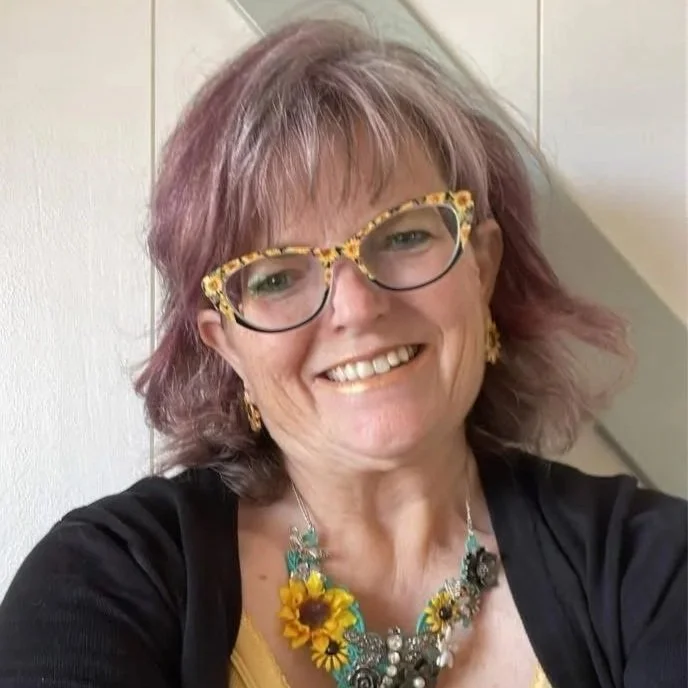
Writer and public speaker Dacia Blodgett-Williams lives in California with her family. For more, see thehikefund.org and jobsdaughtersinternational.org.
The Latest Blog Posts


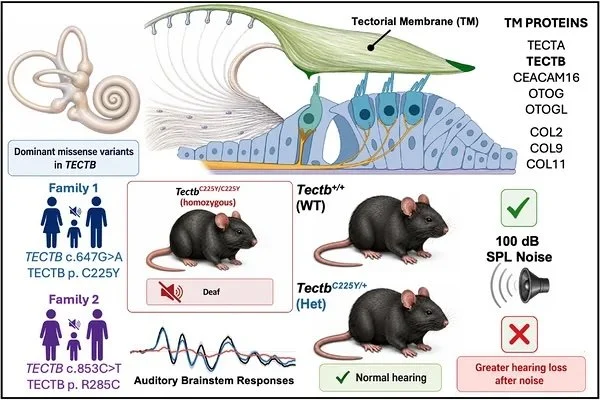

Our Emerging Research Grants program is the leading seed funding opportunity for early stage researchers. ERG also includes Expanded and Focused Discovery Awards, which are grant opportunities in specific topics (such as central auditory processing disorder, hyperacusis, Ménière’s disease, and tinnitus) that are open to eligible investigators at any career stage.