
This Father’s Day, I encourage families to pay attention not only to whether a loved one can “hear,” but whether they are fully participating in life.
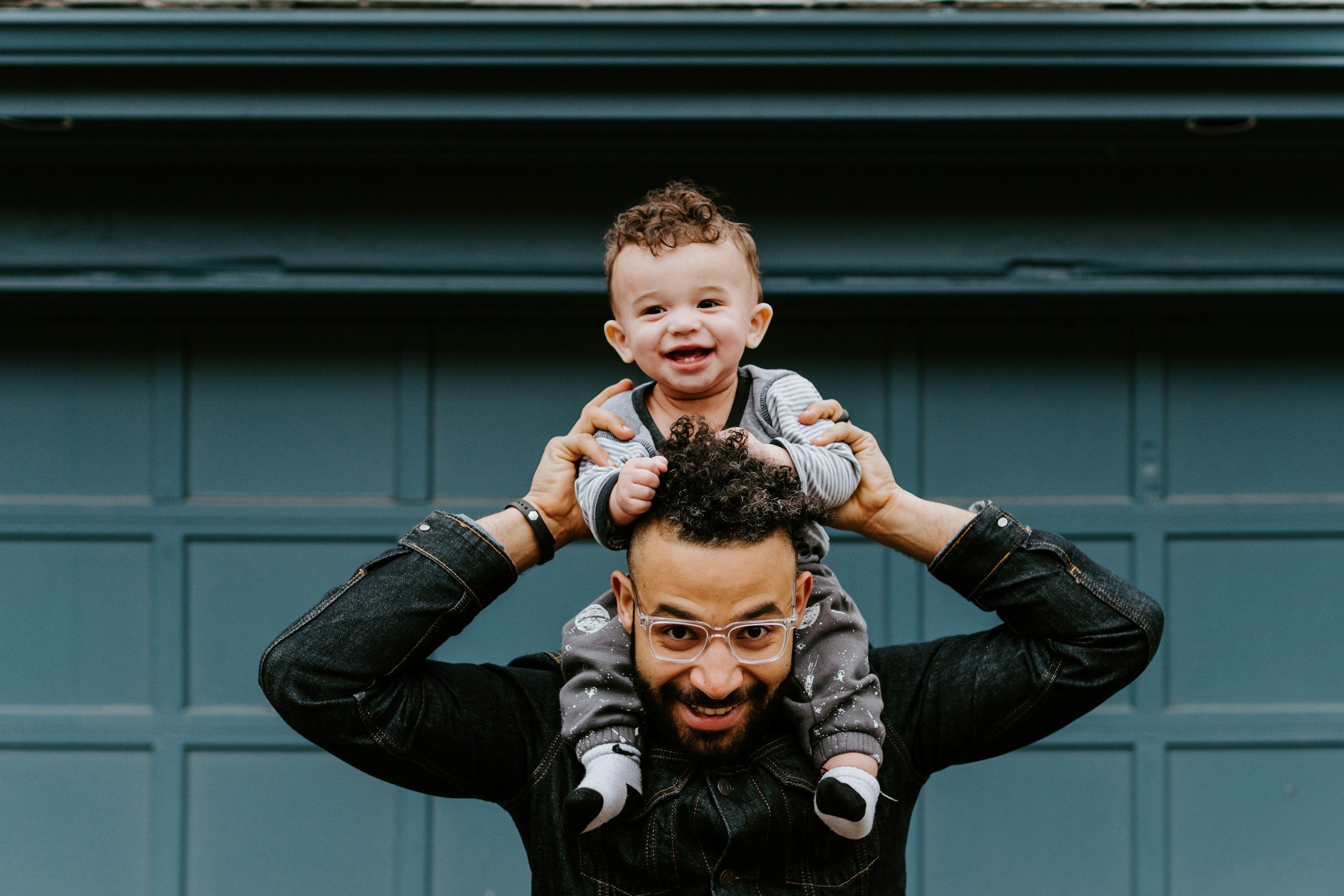
Credit: @kellysikkema/Unsplash
By Rupa Rao
Father’s Day is often centered around the big moments: family dinners, backyard barbecues, milestone celebrations, and stories shared across generations. But for many fathers and grandfathers experiencing hearing loss, those moments can quietly become overwhelming, isolating, and emotionally exhausting.
As an audiologist, I see firsthand how untreated or undertreated hearing loss affects not just the individual, but the entire family around them. One recent experience with the father of a close friend reminded me just how profound that impact can be.
My friend’s father had traveled from India to the United States for a major family celebration: Two of his grandsons were getting married within months of each other. This is the kind of once-in-a-lifetime family milestone grandparents dream about. He had always been an engaging, highly educated man—a retired engineer and executive who loved conversations, reading, and sharing stories. Every time I had met him in the past, he was thoughtful, curious, funny, and deeply involved in discussions happening around him.
But this visit felt different.
When I arrived at the family gathering, I noticed he was mostly sitting quietly in the corner, nodding politely but rarely participating in conversations. In noisy environments, even with only a few people present, he struggled to follow what anyone was saying. The only time I could really communicate with him was in a quiet room, one-on-one, speaking slowly and clearly.
Eventually, he admitted something heartbreaking: His hearing had declined significantly over the past year, but he had not told his daughters because he did not want to feel like a burden to them. He had worn hearing aids for years, but his devices were outdated and no longer properly fit for his level of hearing loss.
What struck me most was not simply the hearing loss itself, but how much it had changed his demeanor. Here was someone who once led teams of hundreds of employees and could hold conversations on virtually any topic imaginable. Now, surrounded by family from around the world during one of the happiest times of his life, he had started withdrawing completely because participating had become too difficult.
Unfortunately, this is incredibly common.
Hearing loss is often called an “invisible condition” because, unlike many other health issues, hearing loss does not always cause pain or obvious physical symptoms. Instead, people slowly begin disengaging from conversations, social gatherings, restaurants, religious services, family events, and everyday interactions. Many older adults convince themselves it is easier to stay quiet than constantly ask people to repeat themselves.
Over time, communication,the glue that holds families together, begins to evaporate.
What many people do not realize is that hearing aids are not simply about making sounds louder. Proper hearing treatment restores connection. It allows grandparents to hear their grandchildren’s stories, follow dinner table conversations, enjoy television with their spouses, and confidently participate in milestone moments again.
In my friend’s father’s case, we upgraded him into properly fit hearing technology before the wedding celebrations continued. The change was immediate.
Within hours, my friend called me emotional and excited because her father was suddenly participating in conversations again. He was telling stories, laughing with relatives, and fully participating in conversations for the first time in weeks. He even joked that he could finally understand the plot of a television show he and his wife watched together every night.
Most importantly, he regained the confidence to deliver a speech at his grandson’s wedding.
Before receiving updated hearing care, he had considered asking someone else to read his speech on his behalf because he was too anxious about not being able to hear in a crowded room. But after receiving the right support, he stood up in front of more than 250 guests and delivered a heartfelt speech. There was not a dry eye in the room.
This Father’s Day, I encourage families to pay attention not only to whether a loved one can “hear,” but whether they are fully participating in life the way they once did. If your father or grandfather seems quieter, avoids noisy environments, withdraws from conversations, or struggles to engage during family gatherings, it may be time to start an honest conversation about hearing health.
And importantly, if your loved one already has hearing aids, do not assume the journey ends there. Hearing health changes over time. Devices require updates, adjustments, maintenance, and follow-up care to continue meeting a person’s needs effectively.
One of the most powerful ways adult children can approach the conversation is not by focusing on the hearing loss itself, but by sharing what they miss. Maybe it is the long walks together, conversations over coffee, stories after dinner, or cheering together at grandchildren’s sporting events. Framing hearing care as a way to reconnect emotionally can often be far more impactful than simply discussing the technology.
Because ultimately, hearing health is not just about ears. It is about relationships, memories, participation, and presence.
And no family should have to miss those moments when help is available.

Rupa Rao has been a dispensing audiologist for over 25 years, including for two decades at HearUSA, where she is based in their Dublin, Ohio, clinic.
The Latest Blog Posts




A simple, universal visual warning system (like a red, yellow, or green noise-level indicator at a concert venue, racetrack, or theme park) instantly conveys danger, warning, or safety to people of all ages. Combined with access to basic foam earplugs and insertion instructions, a simple prompt can transform behavior.