
Why I’m sounding the alarm about the simple—and federally required—assessment nursing homes skip.
By Kathy Dowd, Au.D.
For over three decades, my professional life as an audiologist has been defined by a quiet, pervasive crisis unfolding behind the closed doors of America’s nursing homes. It is a story of forgotten residents, systemic gaps in care, and regulatory oversights that leave our most vulnerable elders misdiagnosed and isolated.
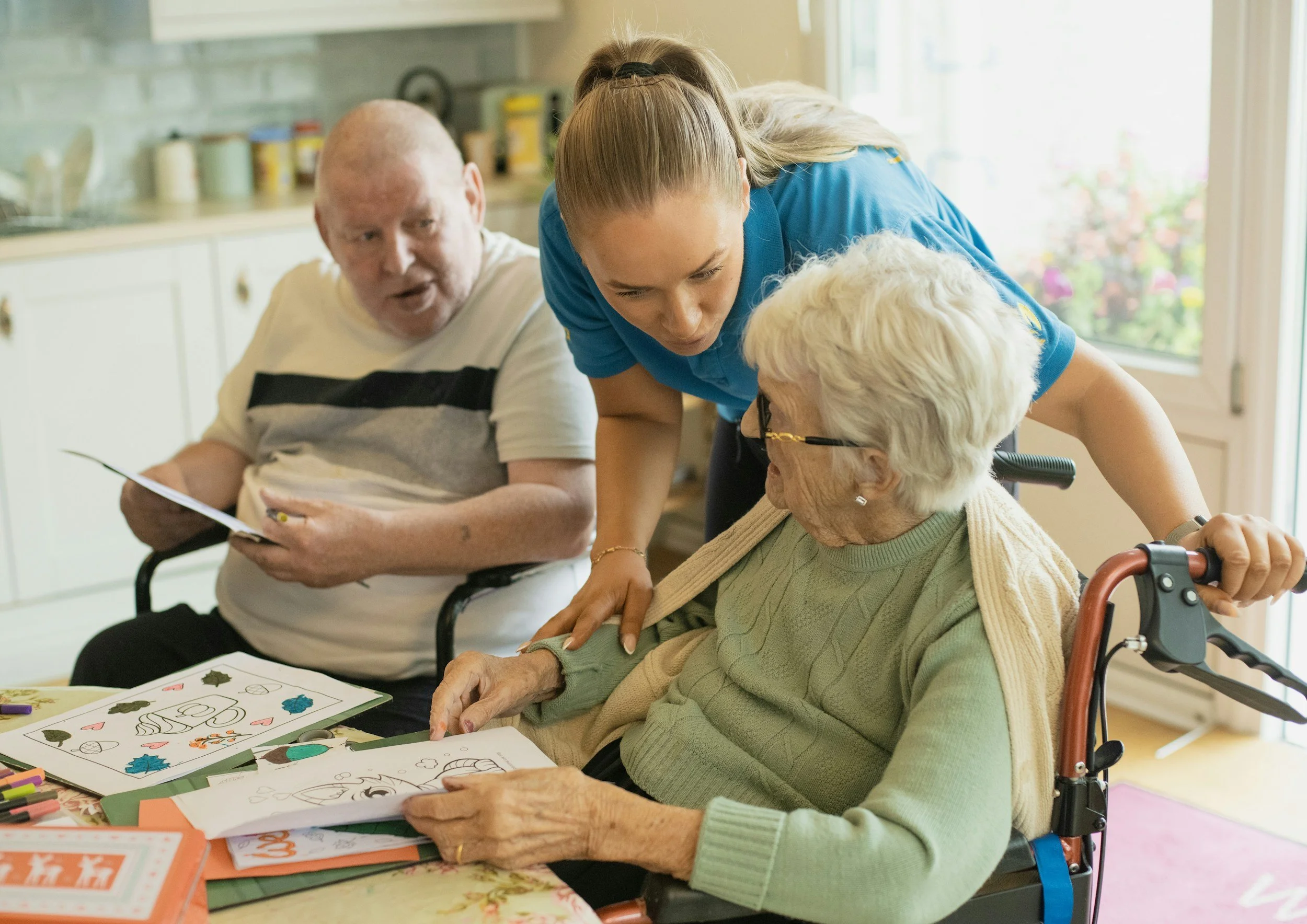
Credit: @agecymru/Unsplash
My journey into this work began back in 1993, when I started visiting skilled nursing facilities to evaluate residents’ hearing. It didn’t take long to realize that basic auditory care was routinely falling through the cracks.
In 1994, I was asked to see a resident whose test revealed a severe bilateral hearing loss. Looking through his chart, I noticed he had spent months undergoing therapy for auditory rehabilitation without ever having a baseline hearing screening or a referral for a proper audiological evaluation.
How can anyone accurately assess or treat a person’s communication abilities if we haven’t first checked whether they can hear? When I tried to report these glaring procedural gaps to state licensing authorities at the time, my concerns were dismissed, and I was left facing years of administrative audits for speaking up. It felt like the system was built to resist accountability.
Decades later, in 2017, the issue hit home in a deeply personal way. A family member was given a comprehensive cognitive evaluation at a facility—completely without a prior hearing screening. When I questioned the care team, they admitted they didn’t have access to basic hearing screening equipment or a specialist on site.
To make matters worse, I later learned that his official medical diagnosis was metabolic encephalopathy, a condition that clinically calls for cognitive rest rather than rigorous cognitive testing and therapy. Evaluating a patient’s mental acuity while ignoring both their primary medical needs and their ability to hear the evaluator is a recipe for tragic misdiagnosis.
On the Ground
In 2019, I stepped into the role of a volunteer long-term care ombudsman in a North Carolina county. Over four years, I spoke with dozens of residents who were visibly struggling to understand the conversations around them. Time after time, their medical records showed ongoing cognitive evaluations and therapies, yet lacked a single objective record of a valid hearing assessment.
At the suggestion of my ombudsman supervisor, I conducted a formal screening of 20 residents at a local facility. Eighteen of them failed. In many cases, the issue was as simple as severe earwax impaction. Yet, no baseline hearing data existed in their charts, and there was little follow-through to ensure objective testing was ever completed.
When I raised these issues across the industry, the responses were disheartening. Some medical directors reported that therapy staff stated they could “tell” when a resident had hearing loss without using validated screening tools. Administrators at several facilities said that while 90 percent of their residents had cognitive impairments, zero percent had hearing loss—a statistical impossibility in geriatric care. The actual incidence of hearing loss in skilled nursing facilities is 80 percent.
Even leadership at major rehabilitation providers treated the idea of routine, objective hearing screenings as merely an “interesting idea” rather than a fundamental requirement for valid assessment.
The Human Cost
Behind these administrative blind spots are real people whose lives are altered when hearing loss goes unnoticed:
The “disruptive” resident: I met a resident who frequently fought with caregivers whenever they came to help him shower or dress. Staff labeled him aggressive. Once a proper assessment revealed a severe, undiagnosed hearing loss and he was fitted with hearing aids, the “disruptive” behavior vanished. He simply hadn’t understood what was happening around him.
The “thief”: Another resident was repeatedly accused of stealing food from a neighbor’s tray. In reality, her severe hearing loss meant she never heard the staff ask if she wanted breakfast every morning. Because she couldn’t hear them, she never answered, never received a tray, and was left hungry.
The “hallucinating” resident: One mother was diagnosed with moderate cognitive impairment. During her evaluation, staff refused to allow her to use a remote microphone for her hearing aids, claiming it gave her an undue advantage. To support her dementia diagnosis, they cited an observation of her sitting in bed, laughing and talking to an empty room. In truth, her hearing aids were connected via Bluetooth, and she was happily speaking with her family on the phone!
Where Are the Hearing Tests?
Federal law under OBRA 1987 (the Nursing Home Reform Act) guarantees nursing home residents the right to care that maintains their highest physical and sensory health, including mandatory assessments for vision, hearing, and communication. However, current federal hearing tests fail to meet this legal requirement.
Hearing loss is an invisible condition. Furthermore, many seniors experience anosognosia—they genuinely do not recognize they have a mental or physical illness, in this case, hearing loss. When residents undergo speech, language, or cognitive assessments without an objective hearing screening first, any failure on that test is inherently suspect. Untreated hearing loss mimics, exacerbates, and accelerates cognitive decline, leading to increased anxiety, depression, social isolation, and unmanaged medical risks.
To protect vulnerable residents, rehabilitation providers and clinical staff must adhere to professional guidelines: Screen hearing using proper equipment prior to conducting cognitive evaluations, and refer residents to audiologists when hearing loss is determined through screening or via medical history (chronic disease, use ototoxic medications, or trauma such as falls, accidents, or noise exposure). Billing for cognitive therapies when underlying sensory deficits haven’t been ruled out or addressed undermines the integrity of care.
I am advocating for administrative reviews and policy changes on the federal and state level, to ensure that objective hearing evaluations become a non-negotiable prerequisite in long-term care. Every resident deserves the opportunity to hear, to communicate clearly, and to be accurately understood.
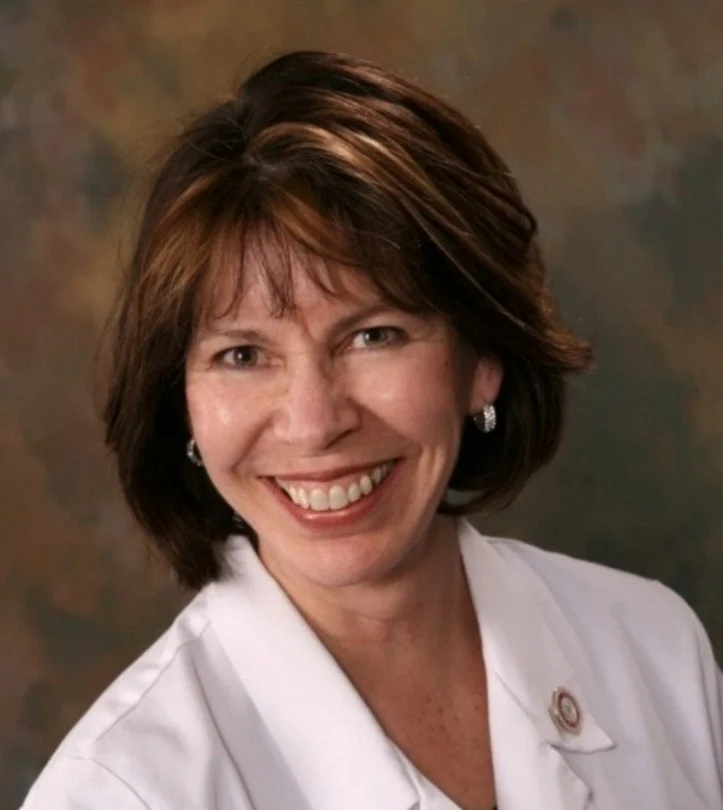
Based in North Carolina, Kathy Dowd, Au.D., is the founder and a director emerita of The Audiology Project. The group’s mission is to raise awareness of links between chronic conditions, such as diabetes, and hearing and balance issues.
The Latest Blog Posts



How can anyone accurately assess or treat a person’s communication abilities if we haven’t first checked whether they can hear?