
I waited years after being told I needed hearing aids to actually getting them because of the expense. Here’s how I made the math work.
By Keath DesRochers
I was 36 years old when I drove home from an audiologist’s office for the first time with hearing aids in, and heard the cars passing me on the highway. Not sensed them—heard them. The tires on pavement, the rush of air as they went by. I’d driven on highways my whole life and never once heard that sound. I had to pull over for a minute before I could continue driving.
That moment is the one people expect to hear about. What I don’t usually lead with is this: It almost didn’t happen, and not because of my hearing.
I’d had hearing trouble since kindergarten. My parents got called into a teacher conference because I’d spelled every word on a test correctly. But, they weren’t the words she’d actually said. I got my first set of eartubes not long after.
I grew up around swimming pools, lakes, and boats, and every time water got into my ears it turned into an infection, so my mom started packing my ears with Silly Putty before I swam (silicone earplugs didn’t exist yet). Three times a year I’d go back to the ENT to have the leftover putty cleaned out, and he’d tell me it was genuinely keeping the infections away.
More sets of tubes than I could count followed, along with my tonsils and adenoids coming out, and the three small bones in my middle ear being rebuilt three separate times. My last set of tubes went in during my early 20s, not long after I got married.
Then kids came, and ear surgery stopped being the priority it had been since kindergarten. But it wasn’t until I was 33, once the kids were a little older, that an ENT told me plainly that those decades of ear infections and surgeries had left too much scar tissue for another operation to help. By then it had already taken most of my hearing: I was down to about 40 percent hearing in my right ear, 60 percent in my left. Hearing aids were the only path left.
And then I did nothing about it for three years.
It wasn’t denial, exactly. It was math. I had a rough idea of what hearing aids cost, and I didn’t have that kind of money sitting around. So I told myself I was managing fine—nodding along in conversations, positioning myself carefully in rooms, laughing when other people laughed and hoping I’d guessed right about what was funny.
I got good at all of it. Good enough to keep putting off finding out exactly how bad it had gotten, because if I didn’t know the number, I didn’t have to face not being able to pay it.
I finally went in at 36. The audiogram confirmed what I already suspected. The hearing aids my audiologist recommended ran about $10,000. My insurance was going to cover roughly $1,500 of that. I did not have the other $8,500, and for a while it looked like I’d found out exactly how bad my hearing was for nothing, because knowing didn’t change what I could afford.
What changed things was a program almost nobody talks about: state vocational rehabilitation.
I was living in Texas at the time, so mine ran through the Texas Workforce Commission. Every state has a version of this department, just under a different name. Some call it the Division of Rehabilitation Services, others the Department of Vocational Rehabilitation.
The idea behind all of them is the same: If a disability is standing between you and a job, the state will help remove it. Hearing loss counts. Hearing aids count.
I’d been with the same employer for about a dozen years at that point, and that mattered—the entire case rested on the fact that my hearing loss was making my job harder. I applied, gave them my work history, and they contacted my management directly to verify that I was actually employed there and that my hearing affected how I did my job.
From there, my counselor and I built what’s officially called an Individualized Plan for Employment, which is a document laying out my job goal and exactly what I needed to reach it, hearing aids included.
It was not fast. Six months passed between the day I applied and the day I walked out with hearing aids in my ears. There was paperwork, there was waiting, there was a fair amount of “we’ll get back to you.” But in the end the state covered the entire $8,500 I didn’t have. I paid nothing.
If this sounds like your situation, the first step is small: Search “[your state] vocational rehabilitation,” find the state office, and ask directly whether hearing aids can be written into your Individualized Plan for Employment. This is a separate document you build together with your vocational rehab counselor—your employer has no role in it
That one call is the whole first step. It won’t be fast and it isn’t guaranteed, but it’s a door most people don’t know is there to knock on.
If you don’t qualify—if you’re retired, or not working toward a job—there are other doors, though none as generous in my experience. Medicaid covers hearing aids for adults in some states, though coverage varies widely, so it’s worth calling your plan directly to ask.
Lions Clubs across the country help fund hearing aids for people who can’t afford them, though it’s run chapter by chapter, so what’s available depends on which one you call. Sertoma’s Hearing Aid Project refurbishes donated hearing aids and distributes them through local audiologists nationwide. Your local audiologist may already refurbish older/donated hearing aids to resell to patients.
None of these are fast or guaranteed either. All of them are worth a phone call before you assume the answer is no.
I still wear that exact pair today, 13 years later. I’ve since moved to Louisiana, but when a receiver needed replacing a while back, I called my original audiologist in Texas and paid about $250 to have it fixed. That’s the only cost to me in 13 years. This is also a testament to staying with a trusted provider when possible, even across a state line.
Here’s what I keep coming back to: I spent three years not finding out about a program that would have paid for everything, because I assumed the cost was simply mine to carry alone. I knew hearing aids were expensive but I assumed that I had no way to pay for them. The gap between what’s true and what people assume is true is actually what costs people, along with the impact on health from delaying treatment.
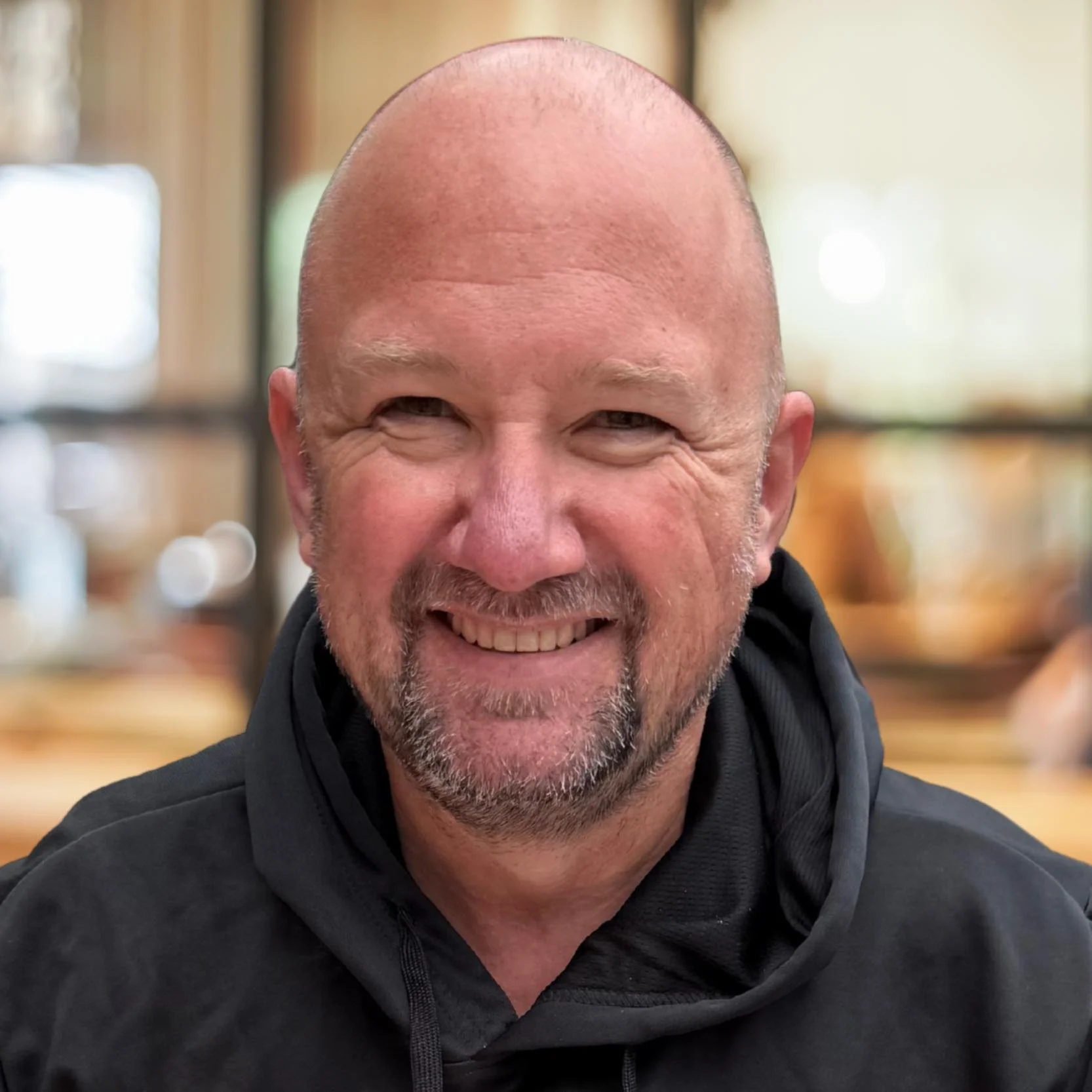
A network service manager based in Louisiana, Keath DesRochers recently created the website Hear Life Restored to help others through their hearing loss journey.
The Latest Blog Posts




Hearing Health Foundation (HHF) is very pleased to announce the addition of four new members to our Board of Directors: Andreas H. Eckhard, M.D., Steven D. Rauch, M.D., Konstantina Stankovic, M.D., Ph.D., FACS, and Daniel J. Tollin, Ph.D.