
By Eddie Orlin
I’ve lived with loud tinnitus and a hearing loss for as long as I can remember. Both my grandparents were service members, and my high school in Southern California is next to a Department of Veterans Administration (VA) facility.
During the COVID lockdown when I was 11, I channeled my interest in building custom LEGO sets, working with Raspberry Pi keyboards, and coding in Python into figuring out how to construct a computer from scratch. I spent the entirety of the summer of 2020 researching and teaching myself how each computer component works and how they interact with one another. I disassembled and reassembled my father’s computer (despite him telling me not to) and familiarized myself with each of the components beyond my online research.
Once I had returned to online school in the fall, I used money I had saved to purchase components and built my first computer. By that point, I had fallen in love with the process of building computers, perhaps almost as much as I enjoyed using them. I sold that computer for a profit and invested all of that money into my next build—each generation becoming a little more sophisticated than the last. Most recently I built a custom water-cooled computer, and I am relieved, as are my parents, to say that it is finally finished.
And eventually, this interest in building computers plus the proximity of my school to the VA inspired me to launch a charity that provides computers for veterans (by both building them and donating them), which is now in its fifth year.
Last summer I had the opportunity to intern in the neuroscience lab of Elyse Sussman, Ph.D., and Joshua Sturm, M.D., Ph.D., at Albert Einstein College of Medicine in New York, where they are working with EEG measurements of tinnitus. I am looking forward to interning there again this summer.
All of this is to help explain why I became deeply interested in researching the topic of tinnitus among veterans.
A Symptom, Not a Condition Itself
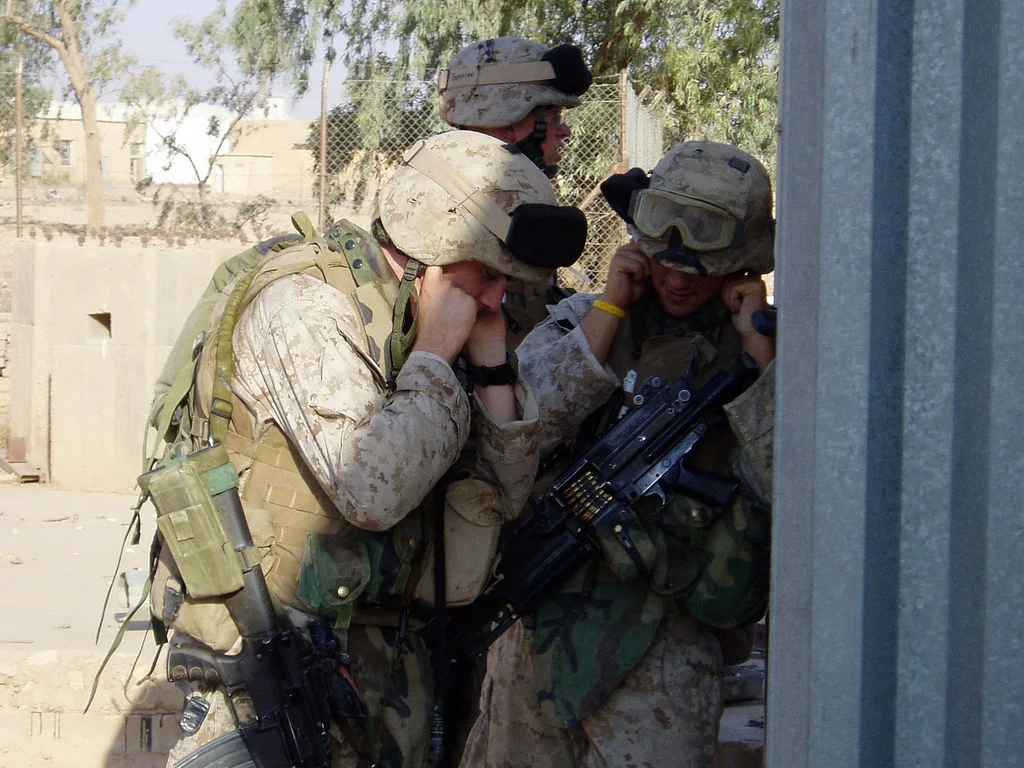
Tinnitus among veterans is largely caused by extreme impulse noise exposure, blast-induced traumatic brain injury (TBI), and a high prevalence of comorbid psychiatric disorders, including depression, anxiety, and post-traumatic stress disorder (PTSD).
Tinnitus is the perception of sound by an individual in the absence of external auditory stimulation. It is not a disease in itself, but it is a symptom with myriad, heterogenous underlying causes.
Tinnitus is characterized by a continuous buzzing or ringing auditory sensation that varies in frequency and intensity. Nearly everyone has experienced transient tinnitus, lasting only a few seconds or minutes, especially after intense sound stimulation (such as a concert without earplugs), and some experience chronic tinnitus, lasting for three months or longer, and this sometimes can be debilitating.
According to data from 2009 to 2012 by the National Health and Nutrition Examination Survey (NHANES), roughly 15 percent of U.S. adults report being bothered by chronic tinnitus. In comparison to the general U.S. adult population, however, the prevalence of tinnitus among the veteran population is much higher.
In one study, veterans experienced tinnitus at an average rate of 26 percent, or one in four. According to the VA, tinnitus is consistently one of the top two most common service-related disabilities for veterans since 2007. Hearing loss is the other top service-related disability.
The existing literature on tinnitus in veterans is scattered across various journals of audiology, military medicine, psychiatry, epidemiology, and neuroscience journals. This makes it difficult to understand tinnitus’s scope among veterans and evidence of the current state of treatments.
Unique Complexities Among Veterans
With this in mind, I conducted a narrative literature review in order to map available evidence about how veterans are affected by tinnitus, including prevalence, risk factors, mechanisms, mental health consequences, and impact on quality of life. To start, I queried the databases at PubMed, Oxford Academic, and ScienceDirect, yielding 50 publications for review, which I supplemented with consultations with clinical specialists.
What I found is that tinnitus in the veteran population is largely caused by extreme impulse noise exposure, blast-induced traumatic brain injury (TBI), and a high prevalence of comorbid psychiatric disorders, including depression, anxiety, and post-traumatic stress disorder (PTSD).
This indicates that veteran tinnitus is clinically distinct from civilian tinnitus due to the severity of noise exposure and the augmenting effects of PTSD and TBI.
I also found that established treatments such as sound therapy, cognitive behavioral therapy, Tinnitus Retraining Therapy, and Progressive Tinnitus Management (a form of TRT that the VA developed) demonstrate efficacy, though implementation across VA facilities remains limited. In addition, veteran adherence to treatment is an ongoing challenge.
Addressing veteran tinnitus requires overcoming unique complexities, as it is distinct from civilian cases due to its high prevalence, close links to noise exposure and TBI, and frequent overlap with mental health conditions.
So far, it has been difficult to understand, diagnose, and treat this multidimensional disorder because of the need to rely heavily on subjective assessments where patient perception can skew clinical outcomes. A recent analysis showed an astounding 61 variables required to accurately describe a single patient’s tinnitus.
There are bright spots for improvement. Experimental treatments like deep brain stimulation and transcranial magnetic stimulation show early promise in controlled testing, while the use of artificial intelligence and machine learning for tinnitus research holds incredible promise.
With robust datasets, AI methods have the potential to accurately interpret many wide and varied inputs describing a patient’s condition, in order to overcome the inherent heterogeneity of tinnitus. This can help ultimately pave the way for the objective diagnostics and personalized treatments that tinnitus patients need.
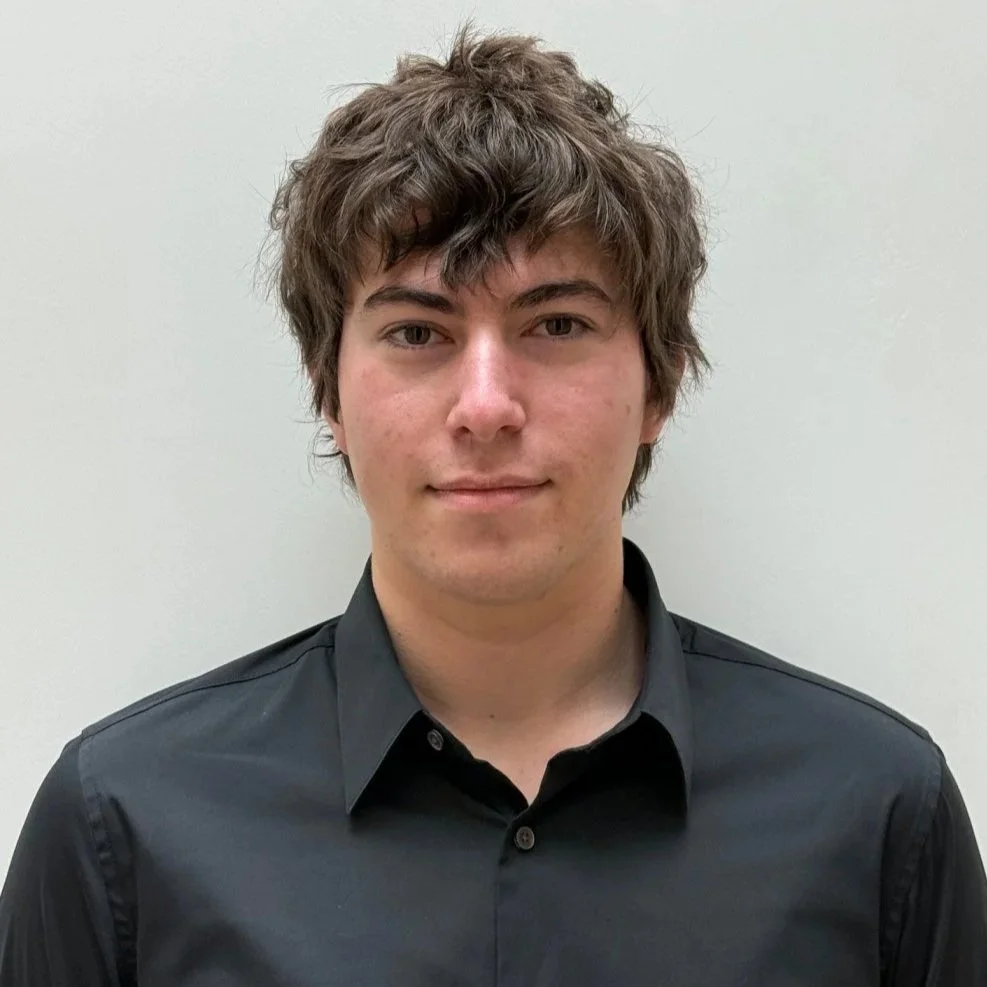
Eddie Orlin is a high school student in Southern California. For more, see vapco.org.
The Latest Blog Posts




Hearing Health Foundation (HHF) is very pleased to announce the addition of four new members to our Board of Directors: Andreas H. Eckhard, M.D., Steven D. Rauch, M.D., Konstantina Stankovic, M.D., Ph.D., FACS, and Daniel J. Tollin, Ph.D.