
When routine checkups missed our daughter’s hearing loss, we realized how families navigating an invisible disability can fall through the cracks. So we started to build the tools to help them.
By Jaspreet Ahluwalia
Every parent remembers the milestones: the first steps, the first words, the routine annual checkups that pass with reassuring nods from physicians.
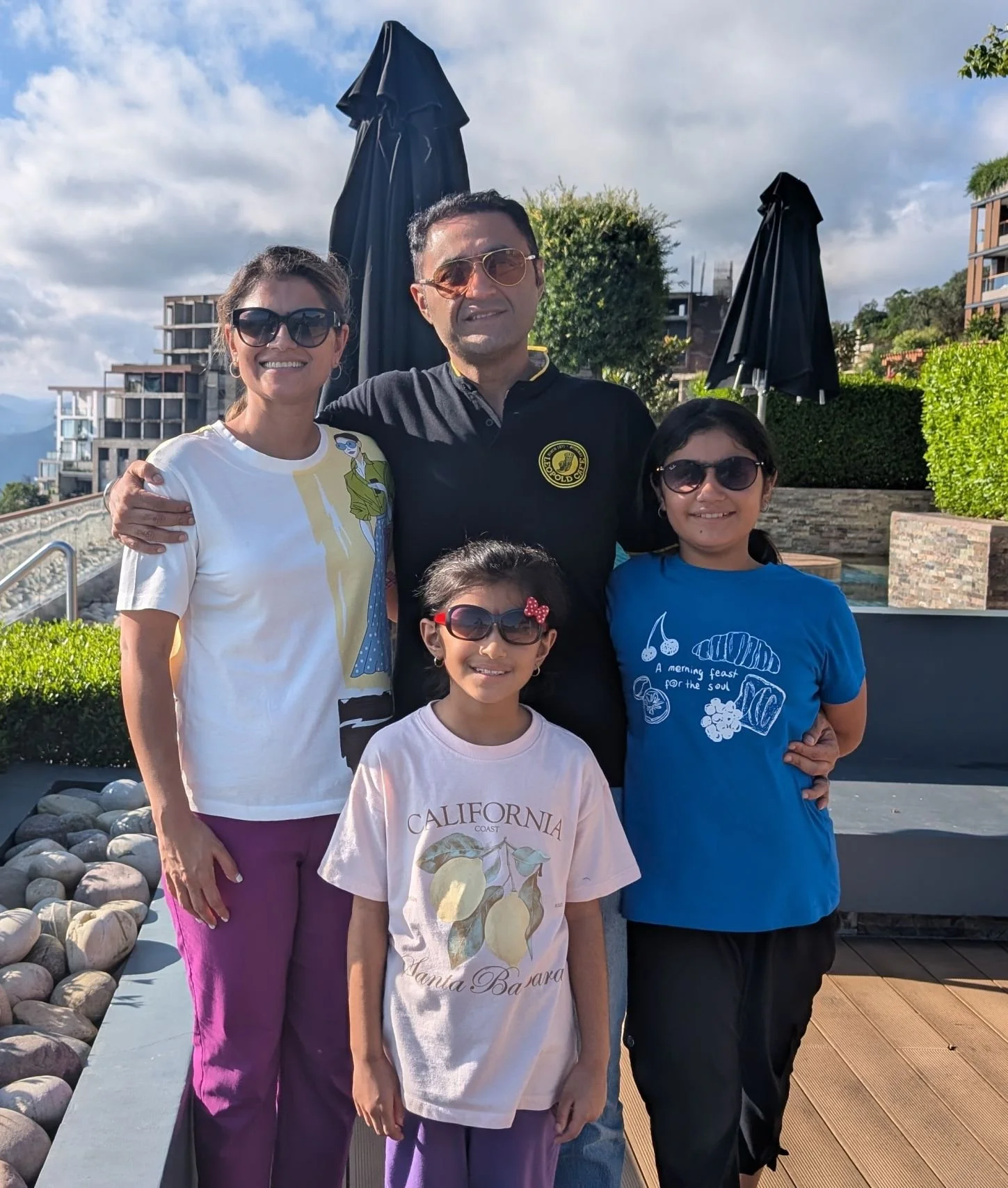
Jaspreet with her family, including Mehar (right), whose hearing loss journey inspired Jaspreet to create the nonprofit Mehar of Hearing Ability (MoHA).
For years, my daughter Mehar’s childhood followed this comfortable, predictable rhythm. Her health reports were immaculate, her routine ear examinations clear, and her vibrant spirit filled our home with joy. Her name, meaning “blessing” in Punjabi, felt profoundly fitting. But in the autumn of 2021, an invisible crisis quietly unfolded behind her bright smile, altering our family’s trajectory forever.
It began with something seemingly trivial—a strange, distinct smell emanating from her ear. There was no fever, no fluid, and no complaints of pain. Yet, a parental instinct compelled us to push for deeper testing.
What followed was a blur of medical appointments, specialized evaluations, and a devastating revelation: significant, systemic damage had been developing inside Mehar’s ear completely unnoticed by routine medical screenings. For the first time, we were told our vibrant little girl needed immediate reconstructive surgery and long-term hearing assistance.
The Silent Trial
In January 2022, at just 7 years old, Mehar walked into an operating room for her first major ear surgery. To watch your child undergo anesthesia is a profound vulnerability; you surrender all control to the hands of surgeons, praying for a complete restoration.
Yet, the road to healing is rarely linear. While the surgery repaired the structural damage, Mehar’s hearing did not fully recover. She transitioned into the world of pediatric hearing aids—an adjustment that required immense resilience from a 7-year-old managing the complex social landscape of school and peer interactions.
For a time, we adjusted to our new normal, thinking the worst was behind us. Mehar handled her challenges with the grace of a warrior, her resilience inspiring everyone around her. But the underlying systemic gaps in pediatric care were not done testing us.

Mehar in front of the Taj Mahal.
Three years later, in December 2024, a sudden crisis struck. Mehar was overwhelmed by sudden, agonizing ear pain, and we rushed her to the emergency department in the middle of the night.
The subsequent emergency examinations revealed a heartbreaking setback: a microscopic prosthesis placed during her previous procedure had shifted over time, tearing into her delicate eardrum.
Yet, the deeper revelation came during the emergency surgery that followed. As the surgical team worked to repair the eardrum, they discovered severely enlarged adenoids—a condition that blocked proper air circulation and pressure regulation, heavily contributing to her chronic ear issues. It was a primary anatomical oversight that had never been checked, scanned, or diagnosed in all her years of routine pediatric care.
To watch your child suffer is a heavy burden, but to discover that the suffering went unnoticed by the very systems designed to protect them changes you entirely.
An Idea Is Born
Lying awake in hospital corridors, navigating the dizzying heights of parental anxiety and the profound pain of seeing your child suffer, a transformation occurred. I realized that our family possessed resources, medical literacy, and the capability to advocate aggressively—and yet, we had still fallen through the cracks of a fragmented screening system.
What happens to the families who don’t know what questions to ask? What happens to the children whose quiet struggles are dismissed as academic disinterest or behavioral changes?
MoHA was born out of that absolute necessity, built from a deep process of personal self-healing. Standing for Mehar of Hearing Ability (MoHA), the nonprofit organization honors my daughter’s journey by converting our private trial into public advocacy.
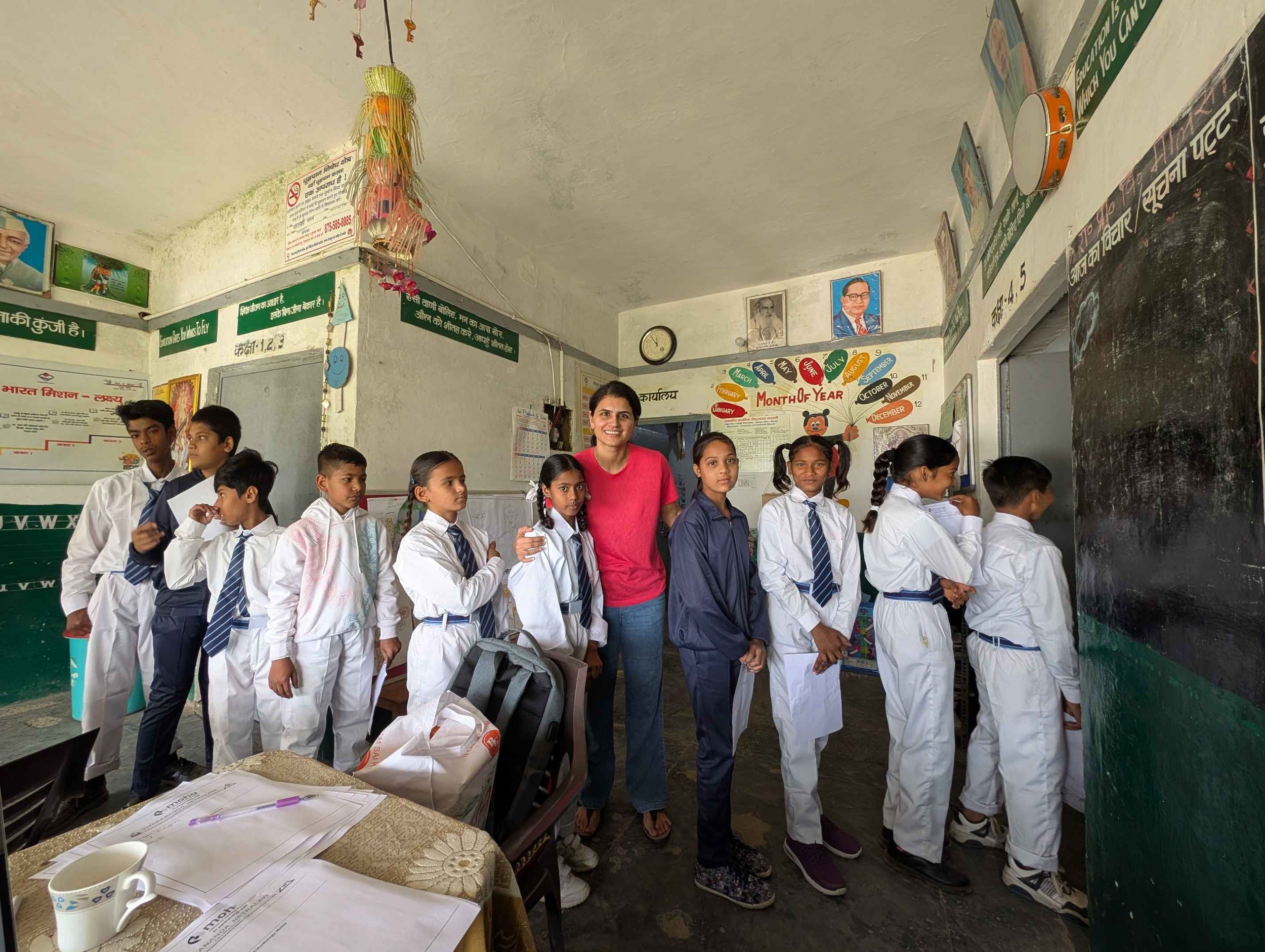
Jaspreet piloted a health camp in India before launching MoHA in the U.S.
If Mehar’s name means blessing, then her struggle must become a blessing for others. We established this foundation so that no child’s struggle with hearing loss goes unnoticed, undiagnosed, or unsupported.
Hearing loss in children is frequently deemed an “invisible disability.” A child cannot easily articulate that the world sounds muffled; instead, they slowly fall behind in speech development, struggle in classroom settings, or withdraw socially.
By the time structural damage or profound loss is identified, critical windows for linguistic and psychological development have often closed. MoHA aims to dismantle this invisibility by stepping directly into the spaces where children live and learn.
Spreading Awareness
Today, MoHA actively partners with educational institutions and community centers to build robust, preventative frameworks. We operate on a three-tiered mission: aggressive early detection, parent-teacher empowerment, and direct family support networks. Before the company was registered as a nonprofit, we piloted a health camp in India, and now we operate all over the U.S. as a 501(c)(3), with our school outreach thus far mostly in Northern California.
Through these school outreach programs, we provide specialized educational workshops for administrators and teachers, training them to identify the subtle, non-obvious behavioral indicators of hearing struggles—such as directional disorientation, frequent requests for repetition, or sudden drops in academic focus.
We are also equipping parents with comprehensive toolkits designed to cut through routine screening gaps. We teach families how to demand thorough examinations, look beyond basic physical visual checks of the ear canal, and advocate for comprehensive audiometric and airway evaluations when standard treatments falter.
For families already navigating a diagnosis, MoHA offers a sanctuary of connection, linking them with trusted pediatric specialists, advanced therapeutic options, and a community that understands the emotional weight of this journey.
Our pain was real, but our purpose is larger. Mehar’s resilience taught me that wounds can be transformed into wisdom, and a family’s trial can build a protective umbrella for an entire community. Through MoHA, we are ensuring that every child has the clarity to hear the world, the support to navigate their challenges, and the opportunity to thrive unhindered.
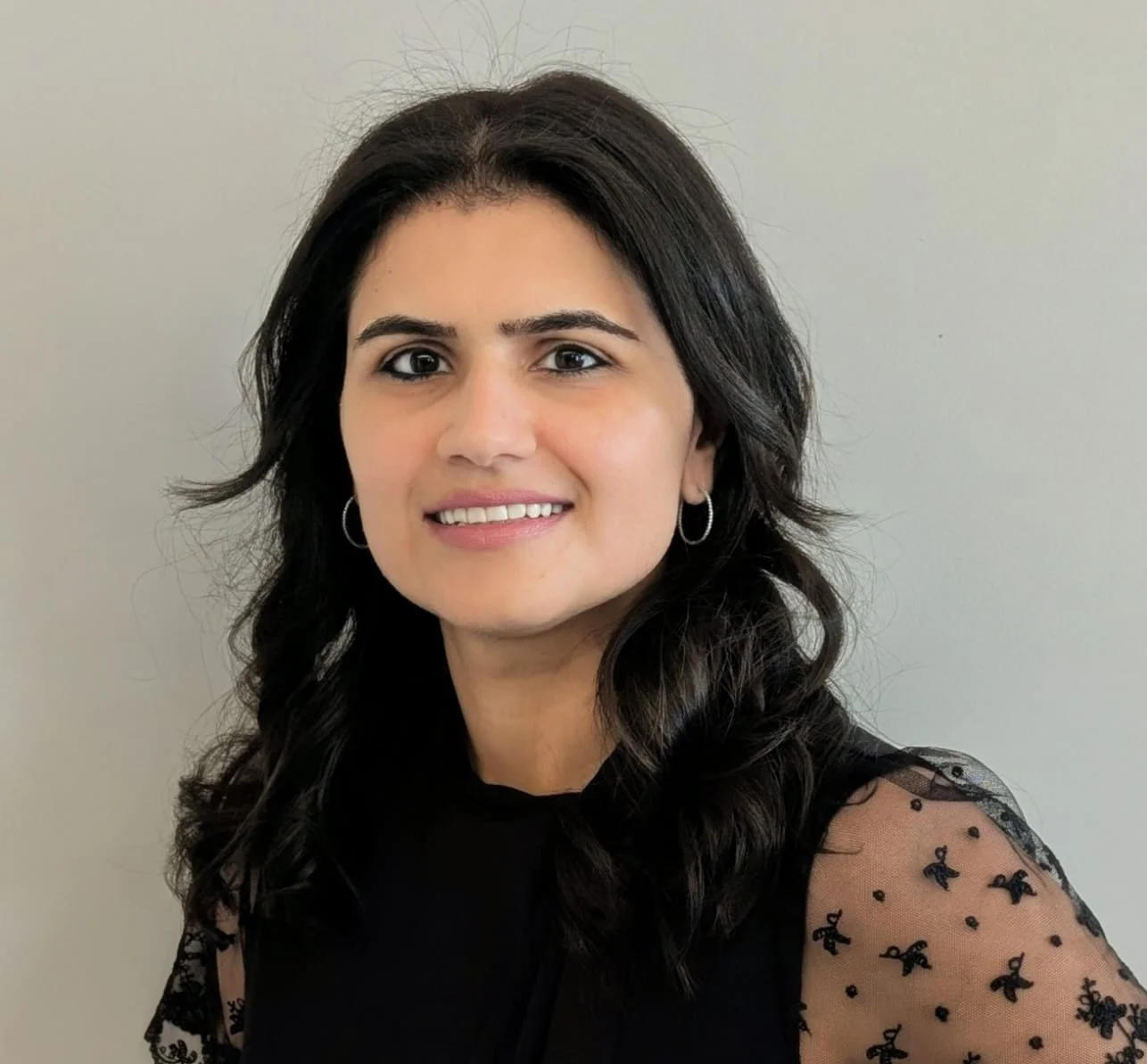
California resident Jaspreet Ahluwalia is the founder and CEO of MoHA (Mehar of Hearing Ability). For more, see moha4kids.org.
The Latest Blog Posts


Hearing Health Foundation (HHF) is very pleased to announce the addition of four new members to our Board of Directors: Andreas H. Eckhard, M.D., Steven D. Rauch, M.D., Konstantina Stankovic, M.D., Ph.D., FACS, and Daniel J. Tollin, Ph.D.