
By Takashi Endo
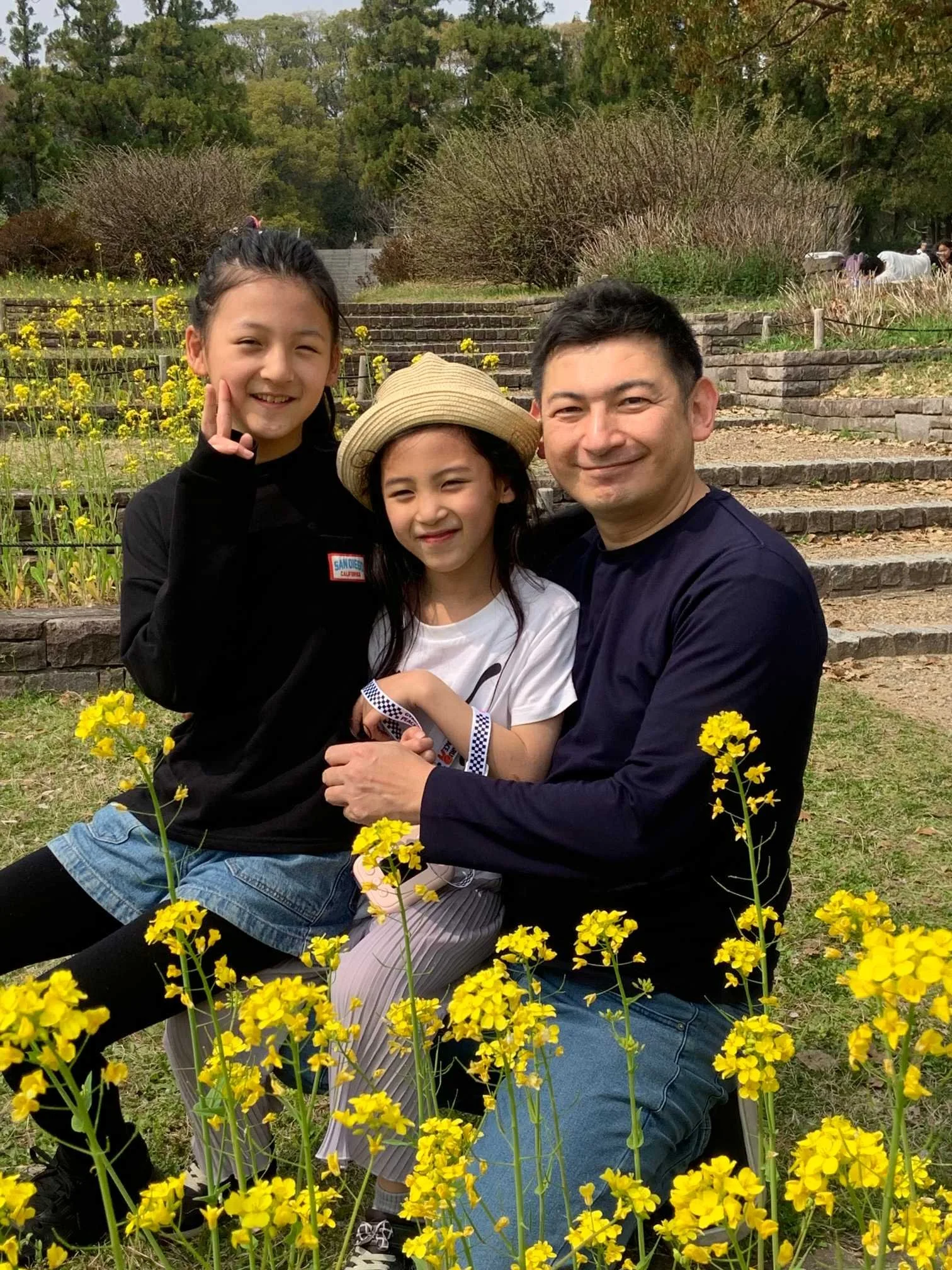
Takashi Endo and his two younger daughters.
After our second daughter was born, my wife cried every day.
Our daughter was born with profound congenital hearing loss, and she could not hear.
There was not a single day when tears did not fall from my wife’s eyes. Every day, I kept asking myself: How could I help her face forward again?
I listened to my wife. I gave her books. I took her to the ocean she loved so much. Days turned into months, and months into years.
Then one day, my wife suddenly became bright again, as if she were a different person.
Not understanding why, I later read her blog and finally discovered what had changed her.
She had written: “As I continued to cry every day, my husband said to me: ‘If happiness or unhappiness depends on whether someone can hear or not, then that way of thinking is far too small.’ No matter what challenges they may face, I will raise our daughters to become people who can contribute to peace in the world.”
From that day on, my wife began to believe in our daughter’s potential and stepped out into the world. In search of the best education, she moved to Australia and later founded a global network dedicated to expanding possibilities for children with hearing loss.
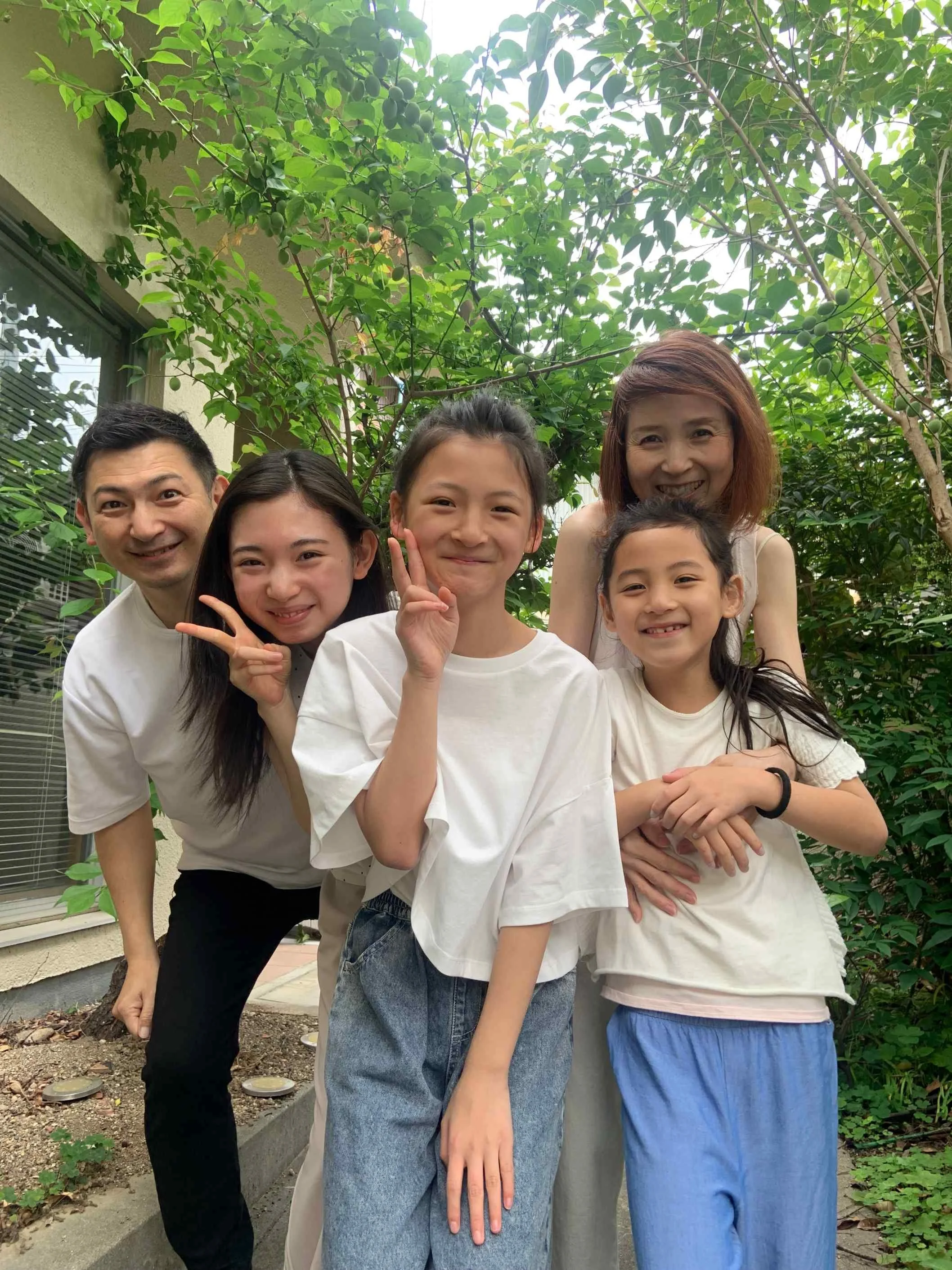
The family is moving to Canada this year.
The community grew to include families from 15 countries, continuing to encourage mothers living under similar circumstances—so that the small voices trembling behind their smiles would never go unheard.
When our second daughter was 4 years old, our third daughter was born, also unable to hear.
One morning, when the youngest began crying because she could not see her mother, her older sister gently stroked her shoulder and said, “It’s okay. Mommy will be here soon.”
Even though she herself must have felt anxious, her voice was trying to comfort someone else.
At that moment, I thought deeply: Even if ears can hear perfectly, I would rather have ears that pause for a faint voice and reach out a hand than ears that pass by someone who is crying.
I love my daughters’ ears.
Our family loves nature, and on weekends we often visit the sea, the mountains, and the forests. Modern society is too busy listening to loud voices. We have little space left to care for quiet voices or for those that cannot speak at all.
At one point, I realized something: While we are sensitive to large and visible problems, we often fail to notice those quietly asking for help.
Through the way of life my daughters taught me—listening to quiet voices—I began to listen not only to people, but also to voiceless things, including nature itself.
Working for a natural, plant-based detergent company, I found myself becoming increasingly aware of environmental issues.
It was during this time that I encountered abandoned bamboo forests.
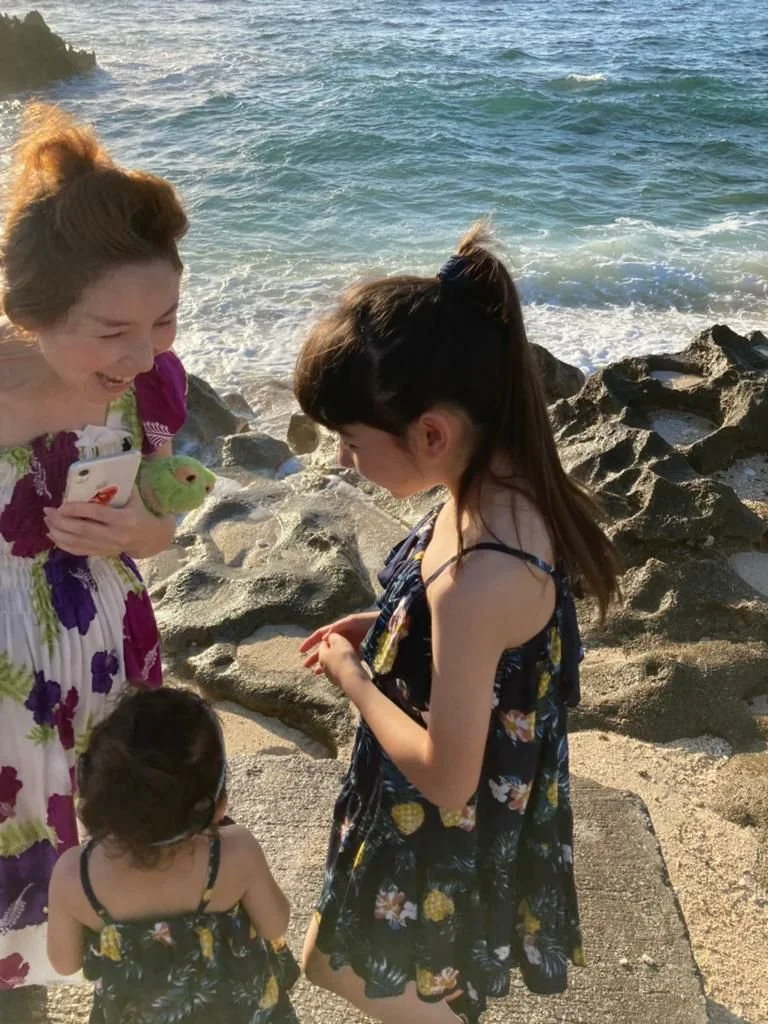
Hiroko started an online group for pediatric cochlear implant wearers studying English.
As cheap, convenient plastics became widespread, traditional ways of life in Japan were changing dramatically. Bamboo, once widely used, was left behind, creating a new environmental problem as unmanaged bamboo began to overwhelm forests. This is not only a Japanese issue, but one that is emerging in many parts of the world.
Yet bamboo, which can damage forests when neglected, is in fact an extraordinarily harmless and renewable resource. By bringing its natural power back into everyday life, we can help protect forests and gradually restore rivers and oceans affected by chemical pollution.
There, at the point where I began listening carefully to nature’s voice, I encountered what would become the greatest mission of my life—a way of living that turns the heart toward quiet voices rather than loud ones.
Our daughters, whose ears do not hear, opened my eyes more widely than ever before.
And alongside this mission, there is a voice I must never fail to hear: the hidden potential within our daughters.
It is true that our second and third daughters cannot hear. But I refuse to entrust my ears to the voices of society that define them by limitation.I believe that what we truly need to see and hear lies beyond such assumptions.
No matter what others may say, my wife and I will continue to believe in our daughters’ potential. As a first step, we have decided to spend an extended period in Canada for our daughters’ education.
Each time our daughters open a new door toward their future, we believe another door of hope will open for children who will follow the same path.
Takashi and Hiroko Endo are parents to Sakura, age 16, An (Ann), age 11, and Riri (Lily), age 8. The two younger daughters have Usher syndrome. Hiroko wrote about the family’s hearing loss journey in 2021. This led to her creating a community for pediatric cochlear implant wearers learning English at anfini-global.com. They will move from Japan to Canada later this year.
The Latest Blog Posts



Hearing loss began affecting how I saw myself. There is a word in Chinese that describes how I felt: 自卑 (zìbēi), a feeling of insecurity and inferiority that makes you shrink yourself around other people.