
Get Updates in Your Inbox
When we think about hearing damage from loud sounds, we often think about concerts or construction sites. But there are many surprising sources of noise from day-to-day activities that we might overlook.
Exposure to noise—whether a one-time event or cumulatively, over time—can lead to hearing loss, which is permanent. But it can also cause tinnitus, hearing a ringing or buzzing in the ears without an external sound source, and/or hyperacusis, where everyday sound levels are perceived as too loud and sometimes creating pain. Prolonged exposure to sounds over 70 decibels (dB) can harm hearing. While our smart phones and watches can measure decibels, a simple rule of thumb is: “If it sounds too loud, it IS too loud.”
Often these surprising sources of loud sounds come about from a misguided belief that loud means fun—the louder it is, the more festive. To that we say it can still be “loud” but in a safer zone for hearing. Because the decibel scale is logarithmic, turning it down even a little can help save our hearing a lot.
Activities That Can Be Surprisingly Loud
1. Taking a gym class.
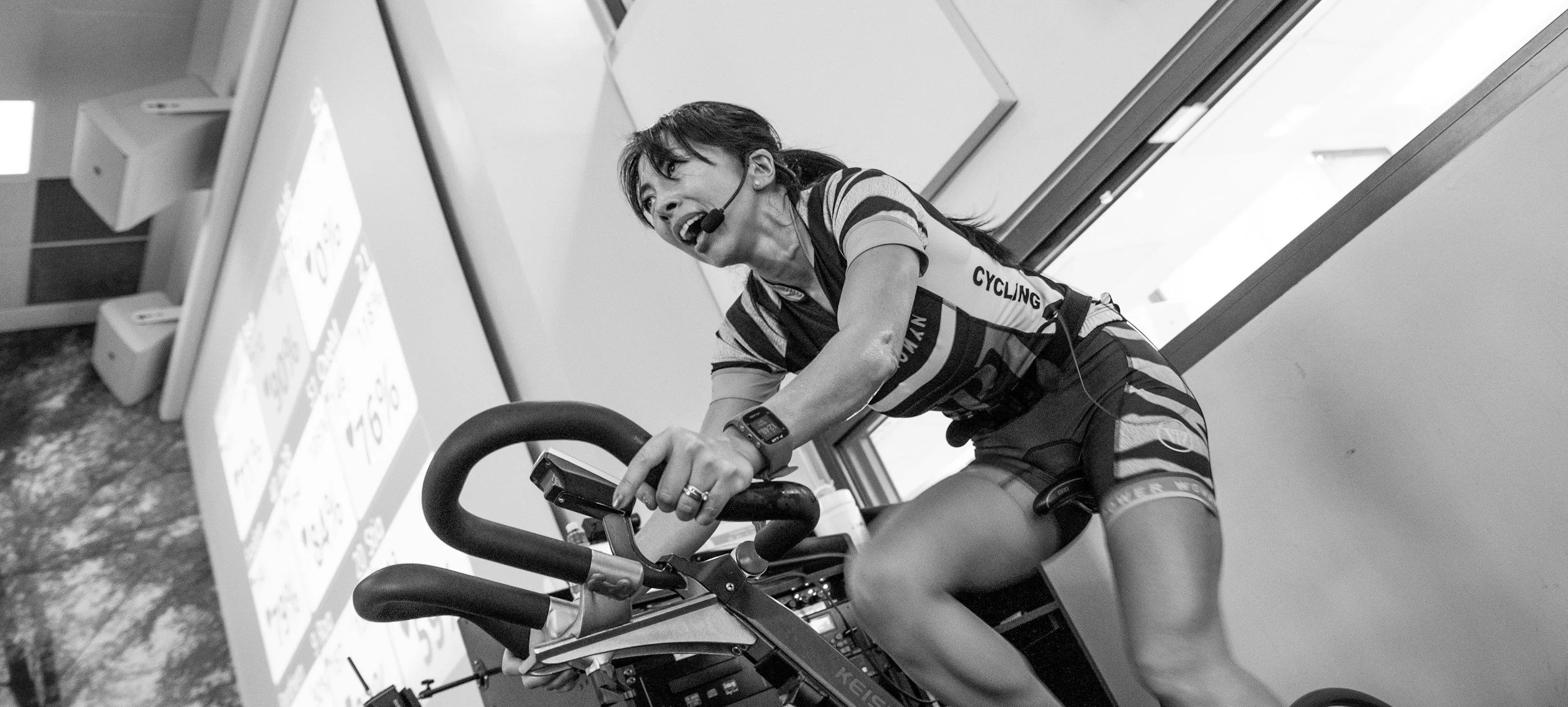
Spin classes in particular are notoriously loud. The writer of this story in New York magazine, “I Don’t Go to Spin Class for My Ears to Bleed, Yet Here We Are,” suggests, “I think these intense, clannish fitness classes create deafening noise dungeons to approximate a ravey-clubby atmosphere,” but “at the gym, we’re just trying to be good to ourselves. Don’t make us pay the price of tinnitus!!” (The writer is shouty with exclamation points if only to yell back at the class instructors—who, she notes in the same piece, have been reporting damaged vocal chords from having to shout over the loud music.)
Research by Hearing Restoration Project member Ronna Hertzano, M.D., Ph.D. (who is partial to high intensity interval training herself), has shown that lowering the volume does not lower the intensity expended by participants.
Credit: @er1end/Unsplash
2. Having a meal out
Restaurants these days suffer from the same theory that louder means more fun—when in fact, restaurant reviews now regularly include loudness ratings since noisy environments top the list of complaints among restaurant goers. Friend of HHF Gregory Scott created the app SoundPrint to crowdsource sound levels in NYC venues (that he backed up with research), and there is a growing awareness among management, finally, that a quieter venue doesn’t mean they’ll lose patrons. In fact, they will likely gain them.
3. Spending time in a coffee shop
Coffee shops have gone from spots for quiet conversation to places that are loud with competing sound sources: Zoom conversations by remote workers and music that is trying to mask the loud, sudden sounds of equipment like the bean grinder and milk steamer. The interior design that is all hard surfaces doesn’t help. Wear earplugs and consider appealing to the coffee shop manager to temper the sound level (“It’s hard to hear the Zoom!”).
4. Using a white noise machine
The World Health Organization has identified white noise machines as a loud sound source. When they’re used as sleep aids, to mask sounds, we might put them too close to our heads—overnight and every night—and they can become a frequently experienced noise that over time may harm our hearing. (It’s worse for babies and children who cannot control the volume or, for infants, even move away from these machines on their own.) Lower the volume and consider getting a machine that automatically turns off after a certain amount of time.

Credit: @element5digital/Unsplash
5. Drying your hair or using other common appliances
Coffee grinders and blenders often produce sound levels between 85 and 100 dB, comparable to heavy traffic. Hairdryers—by necessity used right next to our ears!—can reach 80 to 100 dB, while vacuum cleaners typically range from 70 to 90 dB, depending on the model and setting. Landscaping equipment, unless it is electric and battery powered, is also noisy. Wear hearing protection.
6. Using hand dryers
A Canadian 13-year-old was inspired to study the sound levels of hand dryers in public restrooms when she noticed her peers neglecting to dry their hands with them. Her study, “Children who say hand dryers ‘hurt my ears’ are correct: A world study examining the loudness of automated hand dryers in public places,” found that the loudest dryer reached 121 dB. And since children are shorter in stature, their ears are even closer to the dryers than for adults.
7. Attending a wedding or other milestone event
The dance portion of weddings, bar/bat mitzvahs, birthday parties, or even retirement celebrations can be dangerously loud. DJs tend to blast the music (again, believing loud equals fun) and who knows, may even be doing this because they have hearing loss themselves and can’t hear it too well! Proms and other school dances can be equally noisy, as can parades where firetrucks pulling their horns just a few steps from spectators are part of the “fun.” We encourage talking to the organizers about turning it down even a little to help save everyone’s hearing.
8. Attending a pro sporting event
Some sports are very loud, especially in indoor stadiums, whether from the sport itself (basketball and hockey) or from the fans (football and soccer). Then, we’ve all seen the Jumbotron exhorting the audience, “Let’s get loud!,” with the decibel meter shown topping 100 dB or more. Again, fun doesn’t mean it has to be quite so loud! Since it’s difficult to control crowd sounds, bring earplugs.
9. Taking a flight
Yes, jet engines roar at takeoff but that is brief. It’s during the flight itself when the sound inside the plane can be a steady 80-plus dB. It may not sound that loud because it’s a steady white noise, but we recommend putting in earplugs. If you’re watching a movie with earbuds, that could help minimize risk (so can noise-canceling headphones)—so long as you’re not turning them up a lot to mask the ambient sounds.
Let’s Listen Responsibly
A core part of Hearing Health Foundation’s Keep Listening prevention campaign includes highlighting these surprising sources of loud sounds. But our message isn’t to stop enjoying these activities—we love going to concerts, for one thing. The message is to enjoy responsibly—with hearing protection on hand and used when needed (earplugs in every bag and jacket pocket!), taking breaks in quiet to rest our ears, and advocating for even just slightly quieter shared spaces. —Yishane Lee
The Latest Blog Posts



Using the new biosensor, we discovered that zinc signaling is directly involved in how the brain processes sound in the auditory cortex during sound processing and in the amygdala during aversive responses.