
By Sunnybrook Research Institute
Every time we stand upright, turn our heads, or take a step, a small organ in the inner ear keeps us steady. This organ, called the utricle, senses head movements and maintains balance. But when its delicate sensory hair cells are damaged by injury, illness, or even medications like certain antibiotics or chemotherapy drugs, people can experience debilitating dizziness, instability, and falls that profoundly affect daily life.
Despite millions of people worldwide living with balance disorders, there are currently no approved treatments to repair or regenerate the utricle. Studying the adult human inner ear is incredibly difficult, leaving scientists without the cellular roadmap needed to develop therapies.
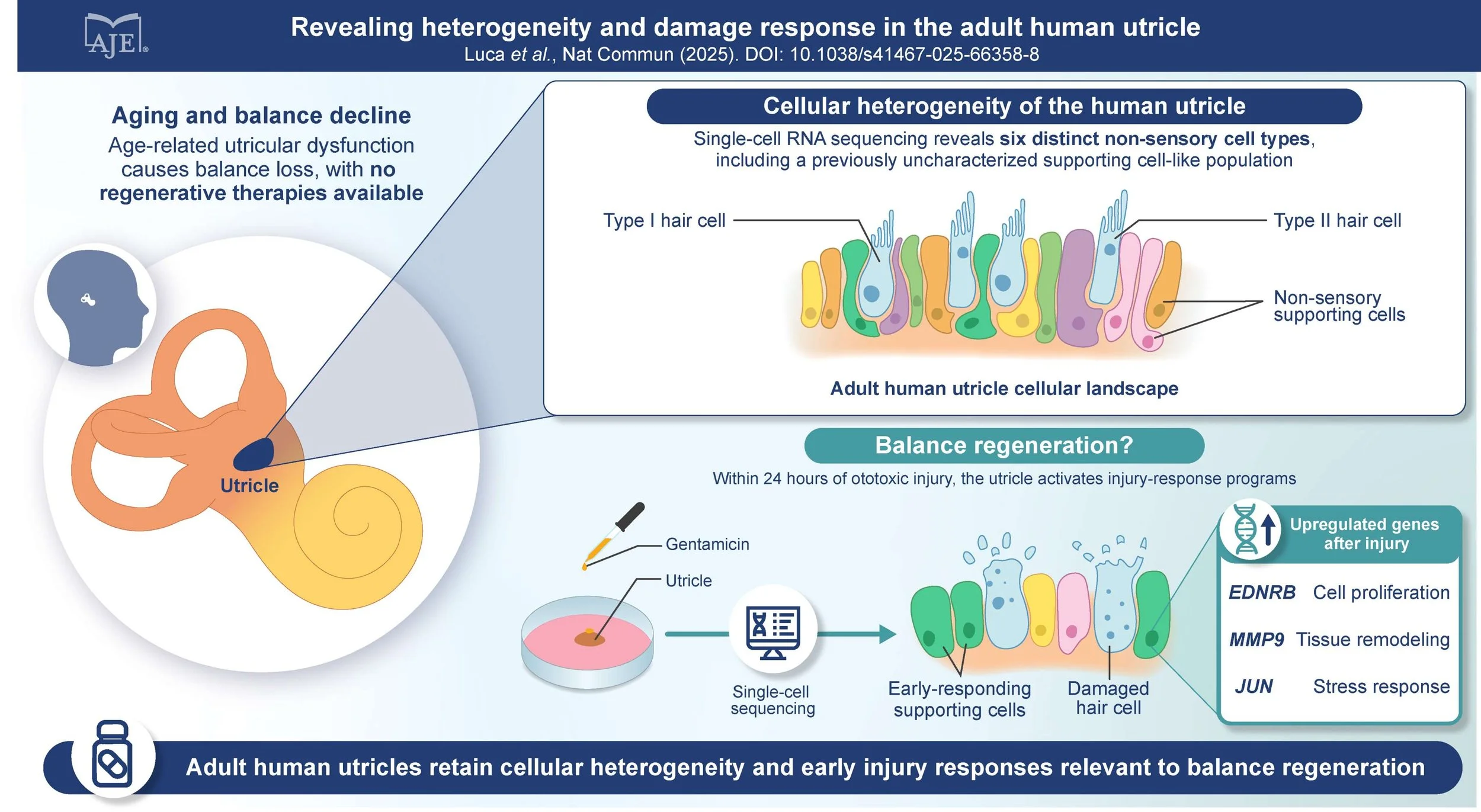
This graphical abstract summarizes the team’s paper. Credit: Luca et al./Nature Communications
New research published in Nature Communications in December 2025 offers the most detailed view of how the adult human balance organ responds to damage. The paper, by a team at Sunnybrook Research Institute, opens new avenues for future treatments.
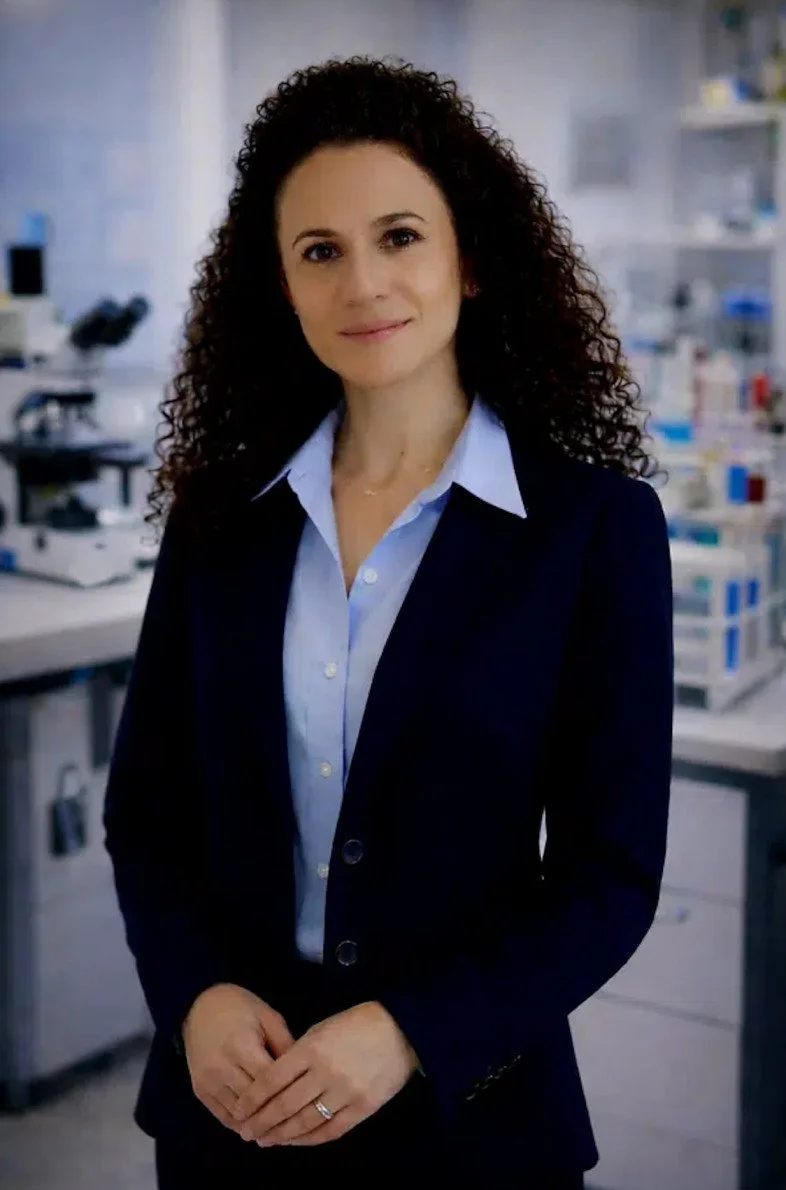
The study’s lead author, Emilia Luca, Ph.D., is a research associate in the lab of Alain Dabdoub, Ph.D., at Sunnybrook Research Institute.
Molecular Blueprint
The study, led by Emilia Luca, Ph.D., a research associate in the lab of Alain Dabdoub, Ph.D., used utricles donated by patients undergoing surgery to understand this essential balance organ better. The team, comprising members of the Dabdoub lab and surgeons Joseph Chen, M.D., and Vincent Lin, M.D., from Sunnybrook’s department of otolaryngology, generated the most comprehensive gene map of the utricle’s cells, revealing how the organ responds within 24 hours of injury.
Their analysis uncovered a surprising diversity of supporting cells, the “non-sensory cellular guardians” that surround and protect the sensory hair cells and may facilitate their regeneration. The researchers identified six distinct types of these supporting cells, each with its own gene signature. They also identified more than 400 genes whose activity changes in response to a damaging drug.
“We now have a molecular blueprint of how the adult human utricle responds immediately after injury,” Luca says. “This gives us clues about which cells might be capable of responding to damage and how we might one day activate them.”
The Utricle’s Repair Crews
One of the most exciting findings in the cell map was the identification of two supporting cell clusters that may act as first responders. These cells express genes involved in tissue repair, inflammation control, and cellular remodelling. They are located near areas where other cells are missing, and near newly formed hair cells, suggesting they may be the utricle’s repair crews.
“These findings highlight previously unknown genes and potential drug targets,” says Dabdoub, the senior author of the study and a senior scientist in the Hurvitz Brain Sciences Research Program at Sunnybrook and the Koerner Chair in Hearing and Balance Regeneration. “They could give us a roadmap for developing therapies for balance disorders and potentially hearing loss.”
Hospital-Embedded Science
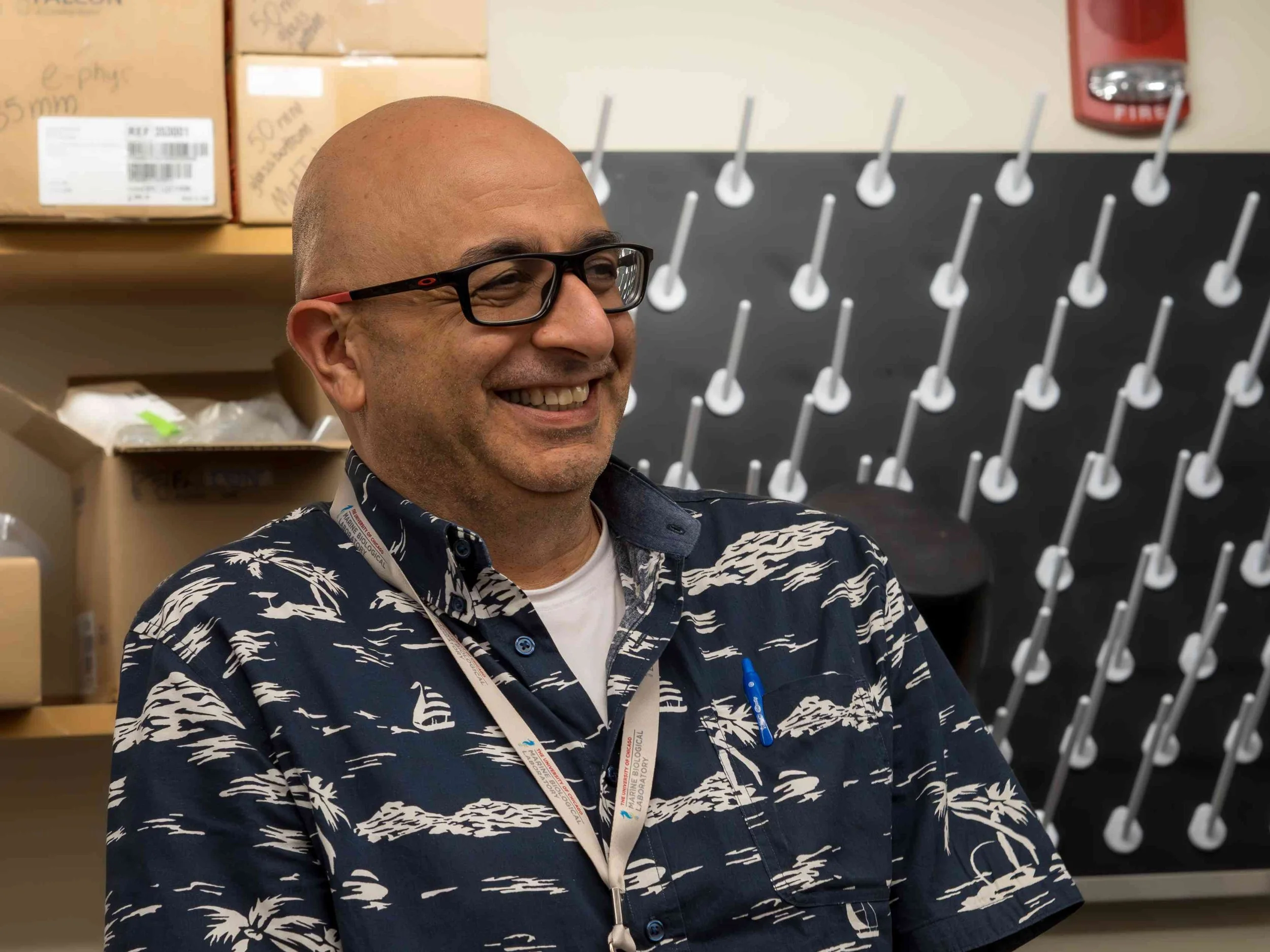
The paper’s senior author, Alain Dabdoub, Ph.D., of Sunnybrook and the University of Toronto, is also a member of Hearing Health Foundation’s Hearing Restoration Project.
“This collaborative work between our researchers and ENT surgeons will also result in a detailed protocol, planned for submission early this year, as a resource for scientists and clinicians interested in studying vestibular organs,” says Dabdoub, who is also a professor in the departments of otolaryngology–head & neck surgery and laboratory medicine and pathobiology in the Temerty Faculty of Medicine at the University of Toronto.
This research also demonstrates the power of hospital-embedded science. The utricles used in the study were donated by Sunnybrook patients undergoing tumor removal surgery; no animal models were used, and this type of study is difficult to reproduce in non-hospital–based laboratories.
The team is now building a comprehensive human gene atlas of the inner ear organs, a dataset that will accelerate discoveries across the field.
“These discoveries bring us one step closer to therapies that could improve inner ear disorders,” says Luca, who is also an elected chair of the International Association of Italian Researchers in Canada.
This originally appeared on the Sunnybrook Research Institute’s website. Alain Dabdoub, Ph.D., is a member of Hearing Health Foundation’s Hearing Restoration Project, one of the study’s funders. The study, “Revealing heterogeneity and damage response in the adult human utricle,” was published in Nature Communications in December 2025.
The Latest Blog Posts




A simple, universal visual warning system (like a red, yellow, or green noise-level indicator at a concert venue, racetrack, or theme park) instantly conveys danger, warning, or safety to people of all ages. Combined with access to basic foam earplugs and insertion instructions, a simple prompt can transform behavior.