
As we race to finish our holiday shopping, audiologists are urging caution over one overlooked hazard that could impact hearing—the volume of children’s toys—plus other noise hazards we should be aware of.
By Jenn Schumacher, Au.D.
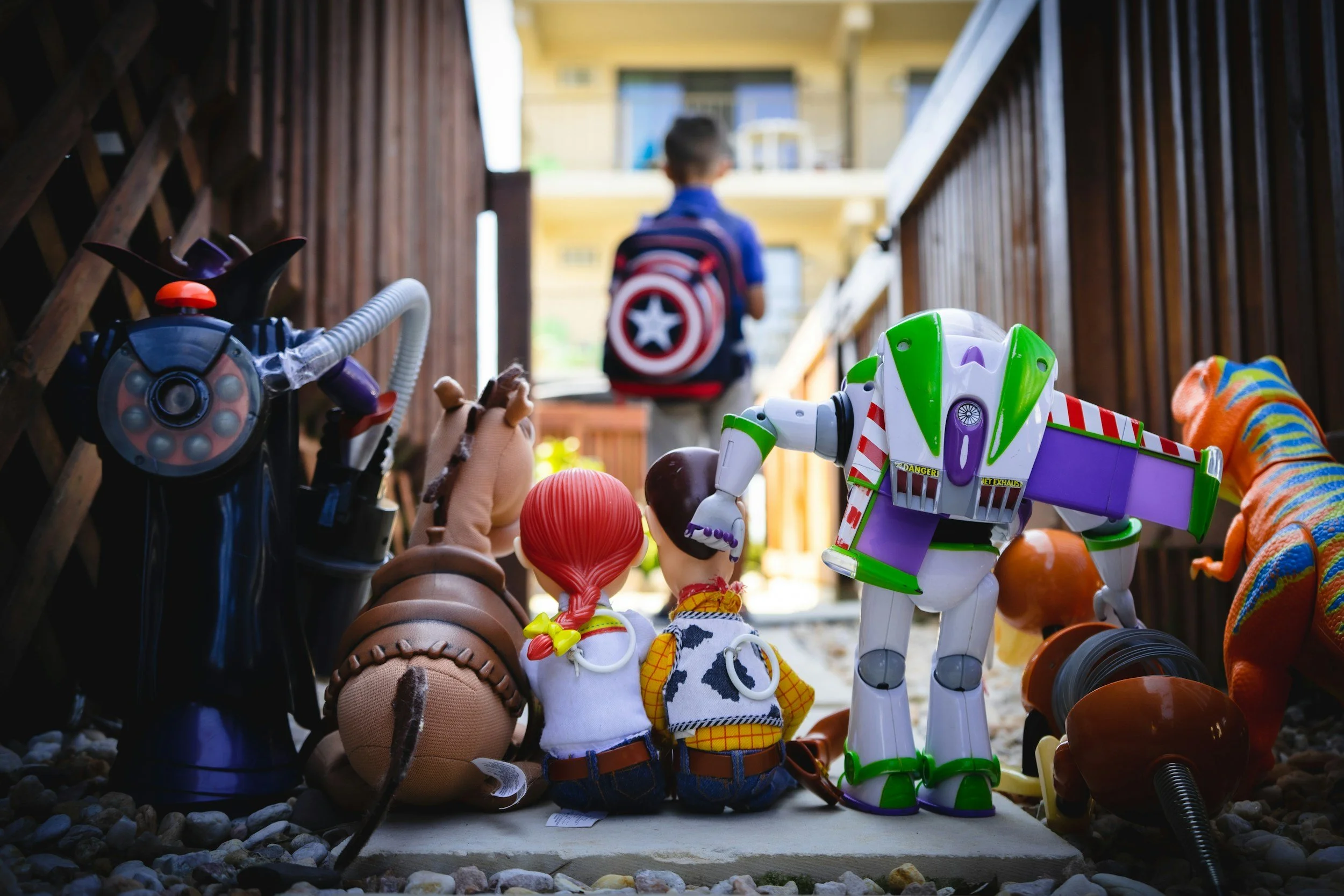
Credit: @chrishardyphotography/Unsplash
Some of the festive season’s loudest traditions, from blaring toys to booming fireworks, all have the potential to pose a danger to hearing. Here’s what to know.
Children’s Toys
The holidays can be filled with new toys and presents that can make some loud noises. Many parents may be unaware that some toys that emit sirens or loud music, such as instruments or trucks, can reach potentially dangerous levels for our hearing health.
In fact, once toys are removed from their packaging, they may emit even louder noises. So when shopping for toys this holiday season, please consider gifts that have adjustable volumes or those that emit less harsh sounds.
If a gifted toy is too loud once the child has already opened it and there isn’t a volume control, you can use two to three layers of clear masking tape over the loudspeaker to help reduce the volume.
Fireworks
Fireworks are often a staple of many celebrations during the festive period. But while the big bangs and bursts of color may be pleasing to the eye, the loud sounds they make when they explode can reach dangerous levels that, if you are standing too close without hearing protection, can cause immediate and permanent hearing damage or tinnitus.
If you are going to attend fireworks displays, please wear hearing protection such as protective earmuffs or earplugs, and make sure that you stand a safe distance from the launch site. In fact if you want something festive to commemorate the festive season, you could also always use quieter alternatives, such as sparklers.
Parties and Gatherings
It’s not really the holiday season without a party or two with friends and family. Though these gatherings bring a collective atmosphere of joy, be aware of the sound levels parties and gatherings can reach.
With lots of people in one area, coupled with music that is often playing, it can be loud enough to cause tinnitus or reduced hearing the next day. While these effects are typically temporary, enough exposures to loud sounds like this can lead to permanent damage to your hearing.
Concerts and Music Events
Concerts and music events can really help to illuminate the holiday season, whether that’s attending a work holiday social or seeing one of your favorite artists perform festive tunes.
But more often than not, music at these events is played too loudly, which can damage hearing. Don’t forget to take regular breaks from the noise and use hearing protection.
Keep Hearing Healthy
How? Simple lifestyle habits can make a world of difference.
1. Bring and wear hearing protection
It goes without saying but when exposed to loud noise, you should always wear hearing protection where possible. There are a range of hearing protection options available, from over-the-ear muffs to earplugs.
Foam earplugs that insert into your ear canal can be purchased inexpensively at any drugstore, or get them custom fitted to your ear with specialized filters for preventing sound distortion or active forms of noise cancellation. Specialized earplugs, often called musician’s plugs, contain filters inside the earpiece that prevent the music from distorting, while still being presented at a softer level that’s safer for hearing.
A middle option for about $20 to $40 a pair are reusable earplugs with a variety of noise reduction ratings, such as from Hears, Loops, Earpeace, Etymotic, and more. Nowadays these types of earplugs add a color and personality to complete a going-out outfit.
2. Keep sound levels that allow conversations
Try to keep sound levels where you can have comfortable conversations with others. Generally, if music or sounds are so loud that you cannot comfortably speak to someone next to you, then it is too loud. So if you keep sounds at a level that allows you to avoid raising your voice, then you are less likely to damage your hearing.
3. Distance yourself and take breaks in quiet
If you are attending a music event or watching fireworks stay a safe distance away from where the sound source. If you can’t reduce the sound level with enough distance or without leaving the event entirely, definitely use those earplugs you brought along, and also take breaks in quiet and away from the noise. This will give your ears time to recover from loud sounds. Don’t immediately follow one noisy event with another. Rest and recover in quiet.
Hazardous noise isn’t just about the intensity level of the noise, but also the length of time you’re exposed. If you give yourself breaks, you’re reducing your overall noise exposure over time, which helps lower your risk of developing noise-induced hearing loss and/or tinnitus.
5. Get regular hearing tests
It is also really important that you schedule a hearing test or checkup with an audiologist if you’ve been exposed to loud sounds or if you suspect you may not be hearing as well as you used to.
An audiologist can help identify any early warning signs that your hearing may be damaged and can give you advice about protecting your hearing that fits your specific needs. They typically sell various custom and non-custom plugs. A baseline audiogram or hearing test can help you monitor any changes in hearing.
All this said, have a wonderful holiday season! By keeping these healthy hearing tips in mind, we can enjoy all the festivities responsibly.

Jenn Schumacher, Au.D., is an audiologist at ReSound. Our friends at Quiet Communities have suggestions for quiet gifts. Get more healthy hearing tips through HHF’s Keep Listening campaign.
The Latest Blog Posts



Hearing Health Foundation (HHF) is very pleased to announce the addition of four new members to our Board of Directors: Andreas H. Eckhard, M.D., Steven D. Rauch, M.D., Konstantina Stankovic, M.D., Ph.D., FACS, and Daniel J. Tollin, Ph.D.