
And what you should know this Tinnitus Awareness Week 2026.
By Stephanie Jaffe, Au.D.
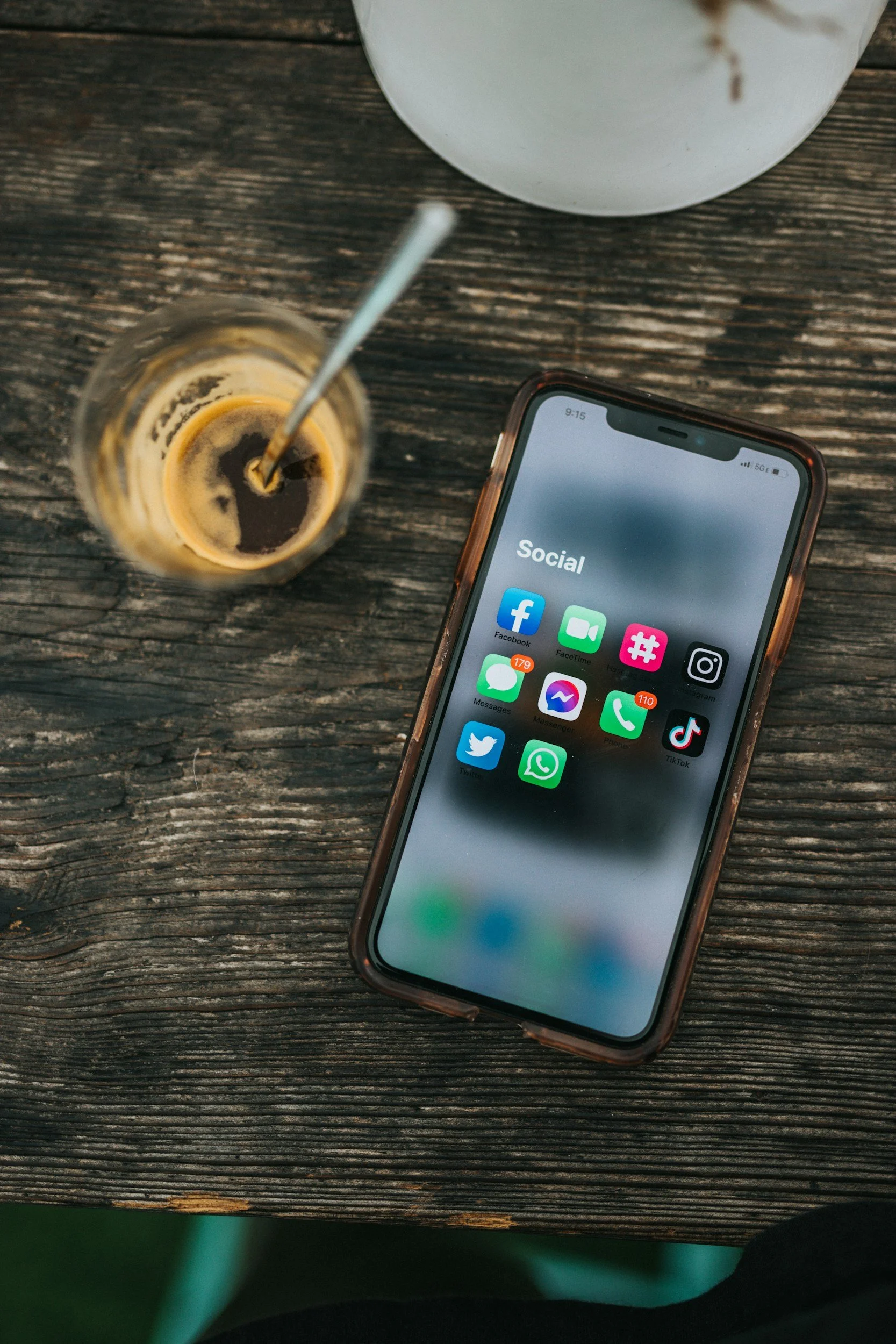
Credit: @nate_dumlao/Unsplash
Search “tinnitus” on TikTok or Instagram right now and you’ll find no shortage of posts. Some are earnest personal stories, while others offer advice, quick fixes, or reassurance that the ringing will eventually fade if you ignore it long enough. The conversation around this trending topic has certainly grown louder, but not necessarily clearer.
This surge in visibility reflects a broader shift in how people talk about health online. Social platforms have become spaces to compare symptoms, crowdsource explanations, and seek community. For tinnitus, that openness has helped many people feel less alone. Unfortunately, it has also created space for confusion, misinformation, and discouraging myths that can delay effective care.
Tinnitus is not a niche condition. In fact, an estimated 14 to 15 percent of adults experience some form of ringing, buzzing, humming, or other phantom sound in the ears. Yet online, it is often framed in extremes; it’s dismissed as something you simply learn to live with, or it is portrayed as a problem with an easy cure hidden behind the right supplement. Neither view reflects how tinnitus actually works or how it is managed in clinical practice.
Busting the Myths
One of the most persistent ideas on social media is that tinnitus is untreatable. People are frequently told to ignore it, accept it, or wait it out. That message can feel deflating, especially for someone already feeling anxious or overwhelmed by constant noise.
Another misconception is that tinnitus is limited to older adults or people with obvious hearing loss. In reality, tinnitus affects people across age groups (I recently treated a patient as young as 20). Loud noise exposure, chronic stress, certain medications, and even temporary hearing changes can all contribute. That broader risk profile helps explain why tinnitus is trending online among younger users.
Anxiety and stress do more than shape how tinnitus feels emotionally. They can make it more noticeable. For one, when stress levels rise, the brain tends to fixate on internal signals, including ringing in the ears. Being told there is no path forward often intensifies that cycle.
Social media has also amplified unproven remedies. Oils, supplements, acupuncture, chiropractic adjustments, and other quick solutions are frequently promoted as cures. These approaches are not supported by clinical evidence.
What’s Actually Happening in the Brain
One fact rarely emphasized online is that tinnitus is closely linked to hearing loss. Studies show that roughly 90 percent of people with tinnitus also have some degree of underlying hearing loss, whether or not they are aware of it.
When the ears stop delivering certain sound signals to the brain, the brain compensates. This process, sometimes described as auditory deprivation, can result in the perception of phantom sounds. In quiet environments, when there is little external sound to compete for attention, tinnitus often feels louder.
One way audiologists often explain this to patients is by comparing tinnitus to background noise in an office building. When you first arrive in the morning, you notice the hum of the air conditioning right away. As the day goes on, it fades into the background—not because it disappears, but because your brain shifts its attention to more meaningful sounds. Later, when the office quiets down, that hum becomes noticeable again.
Tinnitus works in much the same way. When there is little environmental sound for the brain to focus on, the ringing moves to the foreground. When sound is reintroduced, the brain has something else to prioritize, and the tinnitus becomes easier to ignore.
Tinnitus also does not have a single, universal sound. While it is often described as ringing, some people experience buzzing, humming, clicking, or even sounds that resemble insects or music. These differences can be confusing, especially when people compare symptoms online. In reality, tinnitus varies widely from person to person, and the way it sounds can be tied to individual hearing changes. That variability is exactly why personalized care is so important.
This is why hearing aids are one of the most clinically effective tools for tinnitus management. By restoring access to environmental sound, they reduce the contrast between silence and internal noise. For many people, tinnitus becomes less noticeable and far less disruptive.
In some cases, hearing aids can be paired with sound therapy as part of the treatment called Tinnitus Retraining Therapy. Some hearing aids have a tinnitus program that provides soft, calming tones designed to give the brain a neutral sound to focus on. Over time, this helps the brain learn to filter tinnitus out, similar to how it eventually tunes out the hum of background noise in everyday life.
It is important to set realistic expectations. There is currently no medication, procedure, or device that makes persistent tinnitus disappear completely. This is why hearing care professionals emphasize management rather than cure. With the right strategies, most people report that tinnitus fades into the background of daily life.
What to Do If You Recognize the Symptoms
For someone who realizes they may have tinnitus after watching a video online, the next step should be a hearing evaluation. Hearing loss is not always obvious, especially in younger adults, and identifying it early can significantly improve outcomes.
If you think you may be experiencing tinnitus, schedule a hearing screening: They are quick, easy, and may even be free at your local hearing clinic, making it simple to get clarity and guidance from a licensed hearing care professional.
If hearing loss is present, addressing it with hearing aids often provides meaningful relief. If it is not, other evidence-based approaches, including sound therapy and counseling strategies, can still help reduce how intrusive tinnitus feels.
There are also situations that warrant further medical evaluation. Sudden tinnitus, ringing in only one ear, or tinnitus that pulses with the heartbeat should always be evaluated by a medical professional.
Social media can be a useful starting point for awareness, but it should not be the final authority. Tinnitus is complex, personal, and manageable with the right care. As it continues to trend online, the most valuable message may be the simplest one: Help exists, and you do not have to navigate it alone.

Stephanie Jaffe, Au.D., CCC-A, is an Augusta, Georgia-based audiologist and advisory board member for HearUSA, a national network of hearing care centers.
The Latest Blog Posts





Hearing Health Foundation (HHF) is very pleased to announce the addition of four new members to our Board of Directors: Andreas H. Eckhard, M.D., Steven D. Rauch, M.D., Konstantina Stankovic, M.D., Ph.D., FACS, and Daniel J. Tollin, Ph.D.