
By Kimberley Bradshaw
Every January, the same patterns usually emerge. Gym memberships surge, meal prep containers disappear from store shelves, and fitness wearables become essential accessories. We commit to preventive health screenings, track our vital signs, and invest in our physical wellbeing with renewed determination for the year ahead.
Yet while we’re optimizing fitness routines and overhauling diet plans, there's one important sensory system that rarely makes the resolution list: our hearing. Despite decades of research showing the profound impact of hearing health on overall quality of life, most people won't consider their auditory system until problems become undeniable.
The Sense We Take for Granted
Our auditory system operates continuously, processing sound 24/7 without breaks or any downtime. From the moment we wake to our alarm clock to the final sounds we hear before sleep, our ears are constantly at work, connecting us to the world around us. Enabling conversations, alerting us to danger, and providing the acoustic foundation for human connection.
Research consistently shows us that hearing loss affects far more than just our ability to perceive sound. Studies highlight connections between untreated hearing loss and cognitive decline, increased fall risk, social isolation, and reduced quality of life.
Yet despite this evidence, the average person waits seven to 10 years after first noticing hearing difficulties before seeking help. That's nearly a decade of diminishing hearing quality, missed conversations, and increasing social isolation before action is taken—a delay that can have cascading effects on brain health and social engagement.
Unlike acute injuries that demand immediate intervention, hearing loss typically progresses gradually. This insidious nature allows us to adapt and compensate without recognizing what we're losing. We increase television volume, we position ourselves closer to speakers, we avoid noisy restaurants—all while telling ourselves everything is fine. The truth is that our auditory neural pathways slowly start to reorganize in response to reduced input.
This reactive approach to hearing health stands in stark contrast to how we handle other aspects of our wellbeing. We don’t wait until we have a cavity to see a dentist, we don’t wait for our eyesight to get fuzzy before we book a trip to the opticians, we don’t ignore our cholesterol until we have a heart attack, and we understand the value of preventive care in almost every other area of health.
So why do we take our hearing for granted? Let’s give our hearing the same preventive attention we give our teeth, eyes, and heart.

Loud recreational activities can harm hearing. It’s not that we shouldn’t enjoy them, but should enjoy them responsibly: Wear earplugs and take breaks in quiet. Credit: Stocksnap/Unsplash
Break the Pattern
If you’re someone who takes January resolutions seriously and wants to make those little life and health switches that make all the difference, here’s a challenge: Add hearing health to your list—not because you have a problem, but because preventive care is always more effective than reactive treatment. Making hearing health a priority doesn’t require dramatic lifestyle changes or expensive equipment, but simple awareness and a couple straightforward actions.
Schedule a hearing test.
Just as you'd get an annual eye test or dental checkup, a hearing assessment provides valuable information about your current hearing health, and how well you are actually hearing right now. The test assesses hearing sensitivity across frequencies, evaluates speech understanding in various conditions, and can detect early changes before they impact daily communication.
Getting a baseline of your hearing ability helps you track changes over time. Also, you can consider first doing an online hearing test (a basic test but it can flag issues) and then making an in-person appointment with a provider if needed.
Protect your ears in loud environments.
Whether you’re attending concerts, using power tools, mowing the lawn, or working in noisy settings, your ears need protection. Exposure to sounds above 70 decibels (dB) can, over time, cause permanent damage, and that threshold is easier to reach than you might think. In particular, younger populations are at risk from excessive noise exposure through recreational activities that use headphones such as gaming and attending concerts and sporting events.
A busy restaurant can hit over 90 dB and a concert or sporting event can exceed 100 dB, so investing in quality ear protection isn’t just sensible. It’s essential preventive care that costs far less than treating hearing loss later.
Hearing protection has evolved considerably over the years, from simple foam earplugs to sophisticated musicians’ earplugs that preserve sound quality while reducing harmful volume levels. Earplugs are available at every price point and even a fashion accessory these days. Pro tip: Stash basic, disposable foams in every bag and pocket so you’re never caught without hearing protection.
As you set your intentions for the year ahead, remember that good personal health includes all your senses. Your hearing connects you to loved ones, keeps you safe, and enriches every experience you encounter. It deserves the same care and attention you're dedicating to your fitness, nutrition, and overall wellbeing.
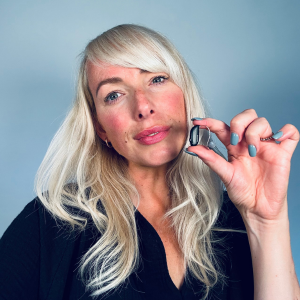
Kimberley Bradshaw is the head of marketing and online medical content at Hearing Aid UK, a network of hearing care clinics in the U.K.
The Latest Blog Posts



Hearing Health Foundation (HHF) is very pleased to announce the addition of four new members to our Board of Directors: Andreas H. Eckhard, M.D., Steven D. Rauch, M.D., Konstantina Stankovic, M.D., Ph.D., FACS, and Daniel J. Tollin, Ph.D.