
Hearing Health

Hearing Health Foundation’s Emerging Research Grants (ERG) program awards grants to researchers working across the entirety of the hearing and balance field, including:
Physiology of hearing and balance
Epidemiology of auditory and vestibular disorders
Human otopathology
Diagnosis, treatment and prevention of hearing loss and balance disturbance
Human genetics and mouse models of peripheral and central auditory/balance dysfunction
Innovation in cellular and molecular therapies
Auditory and vestibular implants, and hearing aids
The Elizabeth M. Keithley, Ph.D. Early Stage Investigator Award is a grant opportunity open to early stage investigators (ESI). HHF defines ESIs as being no more than 10 years removed from the most recent terminal degree or medical residency. There are additional eligibility requirements for this grant opportunity—please see the full Policy on Emerging Research Grants for details.
Researchers interested in applying for an Emerging Research Grant are encouraged to review our grant policy. Please also check our ERG page and sign up for grant alerts for application cycle dates and specific grant opportunities available this year.
Recent Funded Projects

University of Washington
Aminoglycoside compartmentalization and its role in hair cell death
The goals for this project are to develop new tools that will help the scientific community to deepen our understanding of the vesicular network in hair cells, both during stress and normal conditions. We will develop novel fluorescent probes to mark the different compartments in the vesicular network. This will allow for visualization of the drug as it transitions through various levels within the vesicular network. In order to better analyze these structures, we will pair these images with custom-made image analysis algorithms that will allow us to study vesicles in a deeper way. Overall, these tools will allow us to open new research avenues that will help to further understand how aminoglycosides, and other drugs with ototoxic effects, like cisplatin, a cancer chemotherapy drug, are killing hair cells. Our results could help direct new research and lead to novel therapeutic treatments to avoid further hearing loss in patients undergoing these treatments.

Oregon Health & Science University
Apical cochlear mechanics after cochlear implantation
The long-term research goal is to establish, treat, and prevent cochlear implantation-induced hearing loss. This mechanics project is the first time the vibration of the inner ear has been measured in the presence of a cochlear implant, and there is much to discover—such as measuring the efficacy of drugs that help to suppress scarring, as well as testing different electrode designs, and even extending to other diseases of the inner ear such as Ménière’s disease. I believe that optical coherence tomography has a big role to play in the future of both basic hearing science and hearing restoration.

University of Pittsburgh
Comprehensive hearing recovery evaluation of novel targeting sequences for cell-type–specific gene therapy for hearing loss
Gene replacement therapy has the potential to restore natural hearing in individuals with congenital deafness, potentially overcoming the limitations of cochlear implants. While cochlear implants provide substantial benefits, they rely on artificial signals to bypass affected inner ear structures that are essential for accurate speech perception in noisy environments. In contrast, gene therapy treats congenital hearing loss by delivering a functional copy of affected genes to restore natural mechanisms of the inner ear. However, evaluations of current therapies fail to capture hearing recovery in complex listening situations and hearing restoration is limited due to imprecise targeting of the affected inner ear cell types. There are over 100 forms of congenital deafness that impact specific inner ear cell types making treatments challenging to scale.
This project addresses these limitations through two innovations. First, using an established animal model of congenital deafness, we introduce a comprehensive approach to gene therapy evaluation that tracks how the auditory pathway adapts to complex sound environments and recovers over time. We will explore whether improved cell-type targeting of gene delivery can improve how the brain recovers and adapts to sound. Second, we apply a model-based platform to design gene regulatory elements that target gene therapy to specific inner ear cell types. This generalizable approach can be tailored to target various cell types for delivery at specific ages and thus can accelerate the development of therapies for other forms of gene linked deafness.

University of California, Los Angeles
Leveraging automatic speech recognition algorithms to understand how the home listening environment impacts spoken language development among infants with cochlear implants
To develop spoken language, infants must rapidly process thousands of words spoken by caregivers around them each day. This is a daunting task, even for typical hearing infants. It is even harder for infants with cochlear implants as electrical hearing compromises many critical cues for speech perception and language development. The challenges that infants with cochlear implants face have long-term consequences: Starting in early childhood, cochlear implant users perform 1-2 standard deviations below peers with typical hearing on nearly every measure of speech, language, and literacy. My lab investigates how children with hearing loss develop spoken language despite the degraded speech signal that they hear and learn language from. This project addresses the urgent need to identify predictors of speech-language development for pediatric cochlear implant users in infancy.

University of Southern California
Filtering of otoacoustic emissions: a window onto cochlear frequency tuning
Healthy ears emit sounds that can be measured in the ear canal with a sensitive microphone. These otoacoustic emissions (OAEs) offer a noninvasive window onto the mechanical processes within the cochlea that confer typical hearing, and are commonly measured in the clinic to detect hearing loss. Nevertheless, their interpretation remains limited by uncertainties regarding how they are generated within the cochlea and how they propagate out of it. Through experiments in mice, this project will test theoretical relationships that suggest that OAEs are strongly shaped (or “filtered”) as they travel through the cochlea, and that this filtering is related to how well the ear can discriminate sounds at different frequencies. This may lead to novel, noninvasive tests of human cochlear function, and specifically frequency discrimination, which is important for understanding speech.
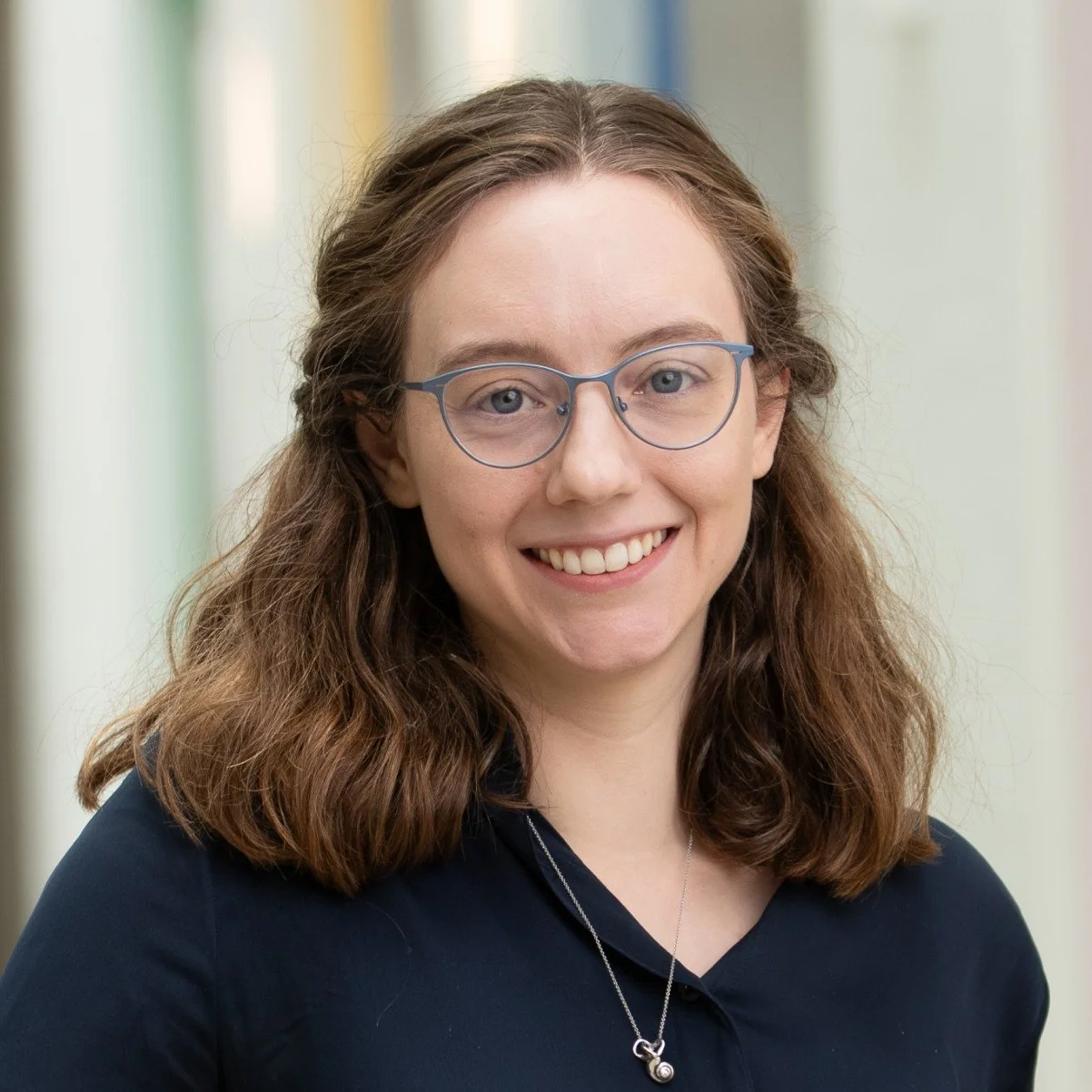
Carnegie Mellon University
Models and mechanisms for auditory event categorization
Our auditory input is often a cacophony of sounds composing an auditory scene. When speaking to a friend in a crowded city park, one can simultaneously hear the music of buskers nearby, the water flowing in a nearby fountain, the chirping of birds in nearby trees, and cars honking at the intersection. However, an individual with hearing impairment may have difficulty recognizing these everyday auditory events. Although there has been immense progress to optimize hearing aids and cochlear implants to improve speech recognition, there has been relatively little work on understanding how these devices, and the listeners using them, process broad categories of non-speech sounds. Unlike deficits in speech understanding, which have immediate social consequences, deficits in audio event perception often go unnoticed and untested clinically, yet these can be detrimental to listener well-being. While much of the field focuses on narrow acoustic domains (like speech or pitch) or the detection of sounds in complex mixtures, this project will systematically evaluate how we recognize broad categories of natural sounds.
In recent years, rapid advancements in artificial intelligence have led to the development of deep neural networks (DNNs) that are top-performing models for both engineering purposes and in capturing properties of human hearing. These computational models can be harnessed to design technology that augments sensory input for devices like hearing aids or cochlear implants, provided that the models process sound the way the brain does. We will develop a sound dataset and novel behavioral testing paradigm to characterize human and model auditory sound categorization, and will use this task to compare artificial neural networks and human observers on both natural stimuli and hearing-aid–processed stimuli. We will additionally develop machine learning models with more perceptual alignment to humans, and test human listeners on synthetic sounds designed to highlight potential differences between models and humans. By taking steps towards a perceptually aligned “digital twin” of the auditory system, this work provides the foundational framework required to optimize hearing devices for real-world listening.
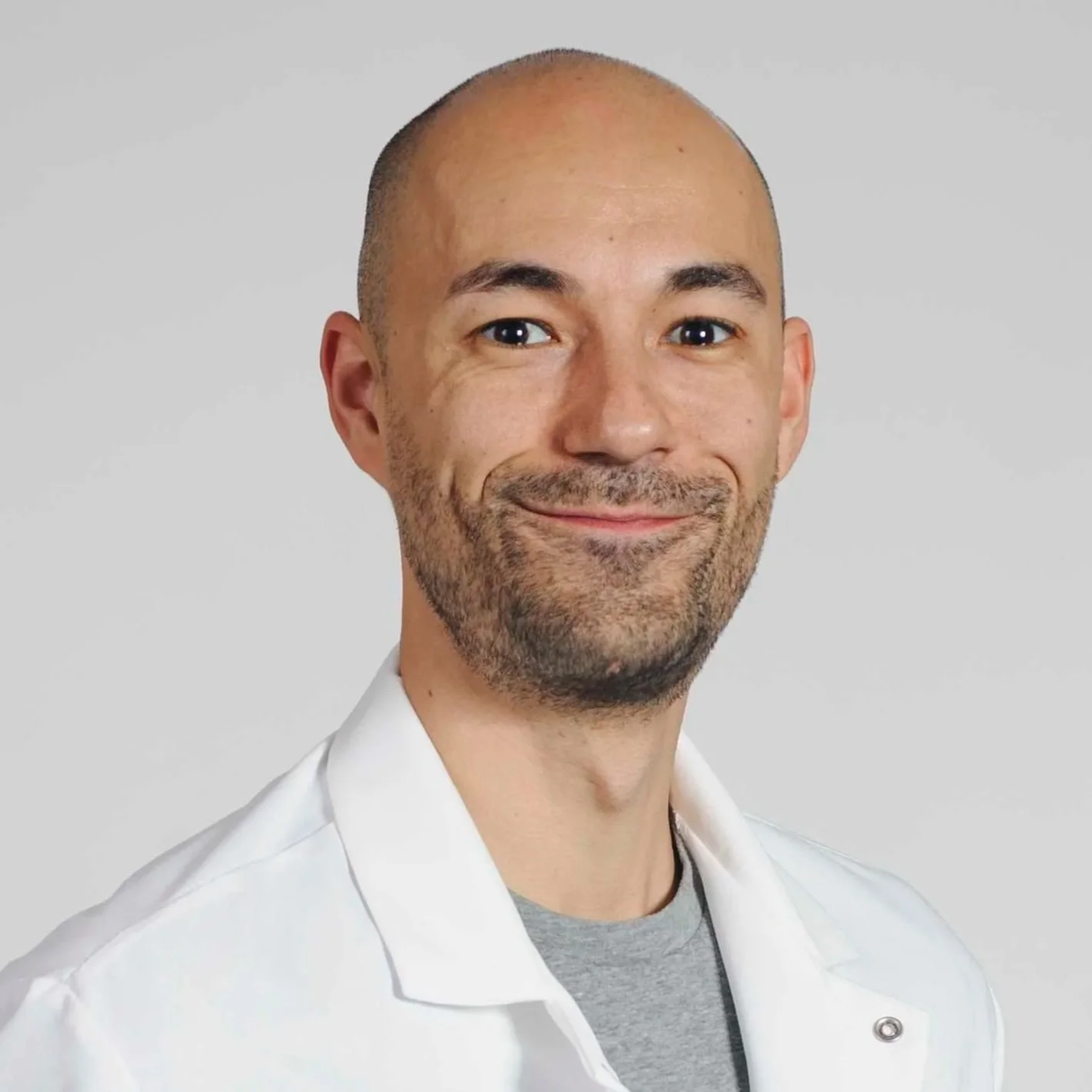
Mass Eye and Ear
Efferent function and noise vulnerability in otoferlin-deficient and gene-therapy-treated cochlea
Some children are born deaf because they carry a disease-causing variant in both copies of a single gene, OTOF, which encodes the protein otoferlin. Without functional otoferlin, the sensory hair cells of their inner ear still detect sound. But they cannot release the chemical messenger that carries the signal across the synapse toward the brain.
Using gene therapy, a healthy copy of the OTOF gene can be delivered into the inner ear to restore this release. Children born deaf can then begin to hear and to develop speech. This is the first form of genetic deafness to be treated with gene therapy.
But by the time children receive the treatment, their ears have already been developing in silence for years. Sound is not only what the ear detects. During development, the activity it drives also shapes the connections between ear and brain. The synapses that the therapy relies on are normally refined by the activity that flows through them, first spontaneous, then driven by sound. In mice lacking otoferlin, this activity is missing. There are fewer of these synapses, and they look abnormal. These connections are now asked to carry sound for a lifetime, in a world that is frequently loud.
In response to loud sound, a healthy ear reduces its own amplification. Activity traveling up to the brain triggers a reflex back to the ear (the medial olivocochlear reflex) that turns this amplification down. This protects the hair cells and these same synapses from damage. The reflex is set in motion by sound, so an ear deaf from birth has never used it. We do not know whether it was ever formed, or whether it can still be engaged when the first sound reaches the brain later in life.
Gene therapy switches the sound signal on for the first time in the ear's life. Working in mice that, like these children, lack functional otoferlin, we will measure this reflex before and after treatment. We will also examine the synapses as they begin to function, and determine how a treated ear withstands a controlled period of loud sound. Together, these experiments will show whether an ear that hears for the first time following gene therapy is also built to last, both robust enough to withstand noise and able to protect itself from it.

Creighton University
Peripheral auditory input regulates lateral cochlear efferent system
When we think about hearing, we often picture sound traveling from the ear to the brain—a one-direction sensory pathway. However, hearing also involves a lesser-known feedback system called the auditory efferent system, which sends signals from the brain back to the ear. This system helps regulate how we hear in different sound environments and plays a protective role for the inner ear. Hearing loss is a prevalent health issue in modern society and is closely associated with other auditory disorders. Most research on hearing loss has focused on the sensory pathway. In contrast, much less is known about how the efferent system contributes to these conditions.
This project focuses on the lateral olivocochlear (LOC) neurons, the most abundant auditory efferent neurons, to understand how their function changes after noise-induced hearing loss. These changes include both the neurons’ own activity and the inputs that regulate that activity. A key question is whether the observed changes are driven directly by noise exposure or by the resulting hearing loss. To address this, we will compare LOC function following noise- induced hearing loss with that following non-noise-induced hearing loss, the latter produced by targeted ear lesions. Our approach combines whole-cell patch-clamp electrophysiology, a classic technique for recording the activity of individual neurons, with state-of-the-art optogenetics, which allows precise control and study of neuronal inputs. This research will deepen our understanding of how hearing loss impacts the auditory efferent system and help resolve inconsistencies observed in clinical studies on efferent involvement in conditions such as central auditory processing disorder, hyperacusis, and tinnitus. Ultimately, these insights will guide clinicians in refining therapeutic interventions by pinpointing dysfunctions within the brain and suggesting strategies for functional recovery. They will also help tailor treatments based on the underlying cause of hearing loss.

Mass Eye and Ear
Age-specific cochlear implant programming for optimal hearing performance
Cochlear implants (CI) offer life-altering hearing restoration for deafened individuals who no longer benefit from hearing aid technologies. Despite advances in CI technology, recipients struggle to process complex sounds in real-world environments, such as speech-in-noise and music. Poor performance results from artifacts of the implants (e.g., adjacent channel interaction, distorted signal input) and age-specific biological differences (e.g., neuronal health, auditory plasticity). Our group determined that children with CIs require a better signal input than adults with CIs to achieve the same level of performance. Additional evidence demonstrates that auditory signal blurring in adults is less impactful on performance outcomes. These findings imply that age should be considered when programming a CI. However, the current clinical practice largely adopts a one-size-fits-all approach toward CI management and uses programming parameters defined by adult CI users. Our project’s main objective is to understand how to better program CIs in children to improve complex sound processing by taking into context the listening environment (e.g., complex sound processing in a crowded room), differences between age groups, and variations in needs or anatomy between individuals.

Purdue University
Influence of individual pathophysiology and cognitive profiles on noise tolerance and noise reduction outcomes
Listening to speech in noisy environments can be significantly challenging for people with hearing loss, even with help from hearing aids. Current digital hearing aids are commonly equipped with noise-reduction algorithms; however, noise-reduction processing introduces inevitable distortions of speech cues while attenuating noise. It is known that hearing-impaired listeners with similar audiograms react very differently to background noise and noise-reduction processing in hearing aids, but the biological mechanisms contributing to that variability is particularly understudied.
This project is focused on combining an array of physiological and psychophysical measures to obtain comprehensive hearing and cognitive profiles for listeners. We hope this approach will allow us to explain individual noise tolerance and sensitivity to speech-cue distortions induced by noise-reduction processing in hearing aids. With these distinct biological profiles, we will have a deeper understanding of individual differences in listeners and how those profiles affect communication outcomes across patients who are clinically classified with the same hearing status. This study’s results will assist in the development of objective diagnostics for hearing interventions tailored to individual needs.

University of Florida
Contributions of auditory and somatosensory feedback to speech motor control in congenitally deaf 9- to-10-year-olds and adults
Cochlear implants have led to stunning advances in prospects for children with congenital hearing loss to acquire spoken language in a typical manner, but problems persist. In particular, children with CIs show much larger deficits in acquiring sensitivity to the individual speech sounds of language (phonological structure) than in acquiring vocabulary and syntax. This project will test the hypothesis that the acquisition of detailed phonological representations would be facilitated by a stronger emphasis on the speech motor control associated with producing those representations. This approach is novel because most interventions for children with CIs focus strongly on listening to spoken language, which may be overlooking the importance of practice in producing language, an idea we will examine. To achieve that objective, we will observe speech motor control directly in speakers with congenital hearing loss and CIs, with and without sensory feedback.

University of Pittsburgh
Hair cell regeneration in the mature cochlea: investigating new models to reprogram cochlear epithelial cells into hair cells
Sensory hair cells in the inner ear detect mechanical auditory stimulation and convert it into a signal that the brain can interpret. Hair cells are susceptible to damage from loud noises and some medications. Our lab investigates the ability of nonsensory cells in our inner ears to be able to regenerate lost hair cells. We regenerate cells in the ear by converting nonsensory cells into sensory cells through genetic reprogramming. Key hair cell-inducing program genes are expressed in non-hair cells and partially convert them into hair cells. There are multiple types of nonsensory cells in the inner ear and they are all important for different reasons. In addition, they are in different locations relative to the sensory hair cells. In order to better understand the ability of different groups of cells to restore hearing, we need to be able to isolate different populations of cells. The funded project will allow us to create a new model to target specific nonsensory cells within the inner ear to better understand how these cells can be converted into hair cells. By using this new model, we can specifically investigate cells near the sensory hair cells and understand how they can be reprogrammed. Our lab is also very interested in how the partial loss of genes in the inner ear can affect cellular identities. In addition to targeting specific cells in the ear, we will investigate whether the partial loss of a protein in nonsensory cells may improve their ability to be converted into sensory cells. This information will allow us to further explore possible therapeutic targets for hearing restoration.

The University of Texas at Austin
Neural and cognitive mechanisms of hearing aid signal processing
Millions of adults with hearing loss rely on hearing aids, yet many still struggle to follow conversations, especially in noisy, everyday settings. Even when a hearing aid makes sounds loud enough to hear, understanding speech clearly is a different challenge. This often means extra mental effort just to keep up, along with sound that doesn't feel quite right. Current methods for testing hearing aid fit and satisfaction mostly ask, “Can you hear this?” or “Can you repeat this word?” These methods do not show what is happening in the brain as it processes speech through a hearing aid’s processing. This research project aims to close that gap. We will study how a hearing aid’s internal processing affects the brain’s ability to recognize individual speech sounds (i.e., phonemes) in real time. We will use electroencephalography (EEG) to track brain responses while people listen to naturalistic speech through different hearing aid processing parameters. Additionally, we will measure pupil sizes during listening, which subtly changes based on how hard someone has to focus on listening, providing a window into listening effort. Participants will also report how well they understood the speech and their perceived quality of the speech. By testing different hearing aid processing settings in a controlled environment, we can examine which processing parameters help the brain encode speech clearly, which ones ease listening effort, and which do both. The findings from this study could reveal specific, measurable brain and effort signals that explain why some hearing aid settings work better than others, rather than solely depending on yes-or-no hearing tests. These insights could guide the design of “smarter” hearing aids that don’t just make sound louder, but also make listening easier and communication clearer for millions of people.
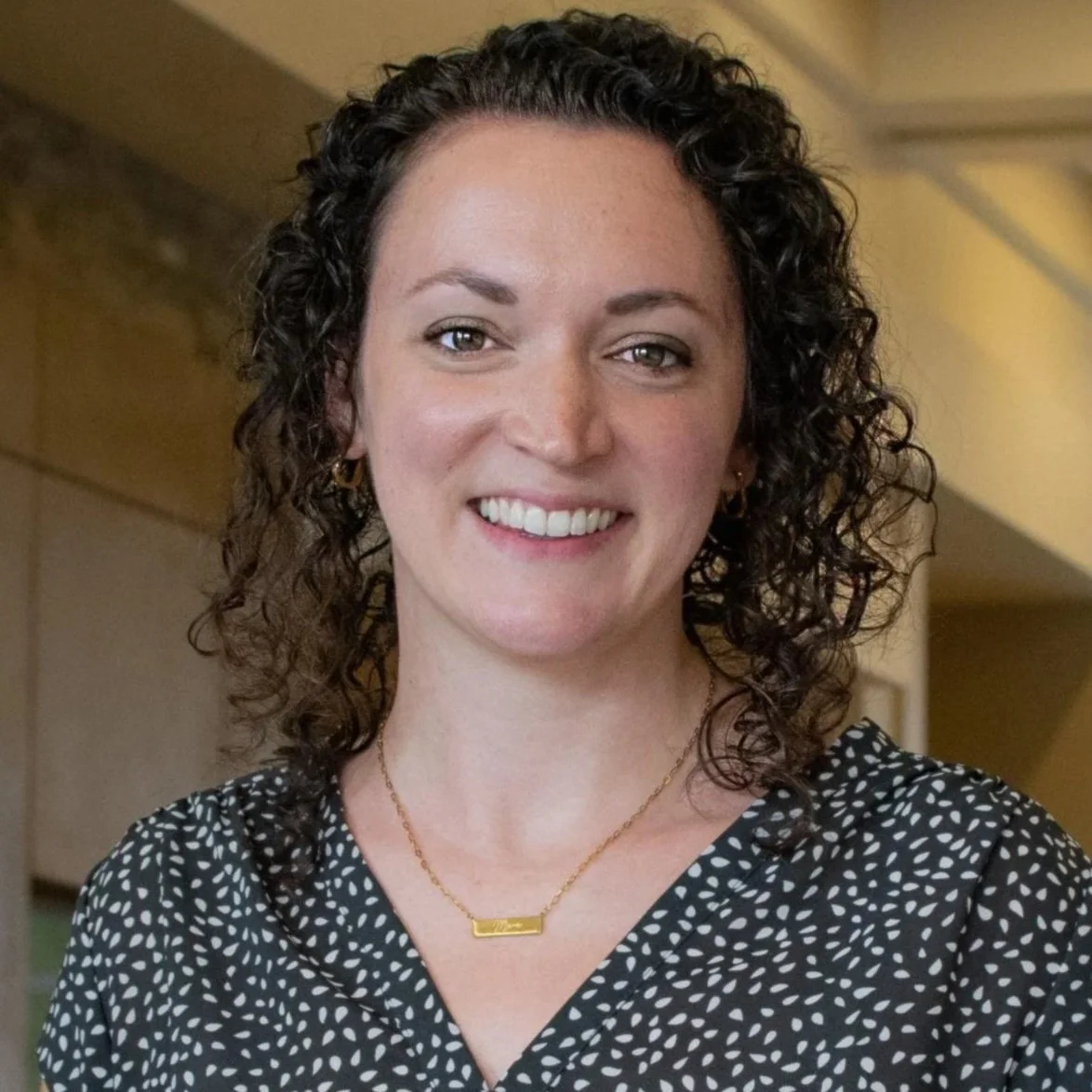
Purdue University
Sound-induced plasticity of the lateral olivocochlear efferent system
Loud sounds can damage the auditory system and cause hearing loss. But not all sound is bad – safe sound exposure can actually help the brain fine-tune how we hear, especially in noisy places. A part of the auditory system called the lateral olivocochlear (LOC) pathway may help with this. The LOC system’s chemical signals change after sound exposure, suggesting a form of “plasticity” (adaptability), but scientists don’t yet know exactly how it works. Our project will study how the LOC system changes after safe sound exposure, how this LOC plasticity affects hearing, and whether it still occurs when the ear is damaged. We will test this in mice by measuring their ability to hear sounds in noise and by looking closely at cells in the ear and brain. What we learn could guide new sound-based or drug-based therapies to protect hearing and improve communication in noisy settings.

University of Tennessee
Auditory neuroplasticity following experience with cochlear implants
Cochlear implants provide several benefits to older adults, though the amount of benefit varies across people. The greatest improvements in speech understanding abilities usually happen within the first 6 months after implantation. It is generally accepted that these gains in performance are a result of neural changes in the auditory system, but while there is strong evidence of neural changes following cochlear implantation in children, there is limited evidence in adults with hearing loss in both ears. This study will examine how neural responses change as a function of the amount of cochlear implant use, when compared to longstanding hearing aid use. Listeners who are candidates for a cochlear implant (who either decide to pursue implantation or to keep wearing hearing aids) will be tested at several time points, from pre-implantation and up to 6 months after implantation. The results of this project will improve our understanding of the impact of cochlear implant use on neural responses in older adults, and their relationship with the ability to understand speech.

Rice University
Understanding the biophysics and protein biomarkers of Ménière’s disease via optical coherence tomography imaging
Our sense of hearing and balance depends on maintaining proper fluid balance in a specialized fluid in the inner ear called the endolymph. Ménière’s disease is an inner ear disorder associated with increased fluid pressure in the endolymph that involves dizziness, hearing loss, and tinnitus. Ménière’s disease is difficult to diagnose and treat clinically, which is a source of frustration for both physicians and patients. Part of the barrier to diagnosing and treating Ménière’s disease is the lack of imaging tools to study the inner ear and a poor understanding of the underlying causes. The goal of this research is to develop an approach to noninvasively image the inner ear and study the internal structures in the vestibular system in typical and disease states. We will utilize optical coherence tomography (OCT), a technique capable of imaging through bone, and observe changes in the fluid compartments in the inner ear. The expected outcome of this research will be the establishment of a powerful non-invasive imaging platform of the inner ear that will enable us to test hypotheses, in living animals, on how ion transport regulates the endolymph, how disorders of ion transport cause disruption of endolymphatic fluid, and how the expression of different biomarkers lead to disorders of ion transport.

University of Miami Miller School of Medicine
Elucidating the development of the otic lineage using stem cell-derived organoid systems
One of the main causes of hearing loss is the damage to and/or loss of specialized, cochlear hair cells and neurons, which are ultimately responsible for our sense of hearing. Stem cell–derived 3D inner ear organoids (lab-grown, simplified mini-organs) provide an opportunity to study hair cells and sensory neurons in a dish. However, the system is in its infancy, and hair cell–containing organoids are difficult to produce and maintain. This project will use a stem cell–derived 3D inner ear organoid system as a model to study mammalian inner ear development. The developmental knowledge gained will then be used to optimize the efficacy of the organoid system. As such, the results will progress our understanding of how the inner ear forms and functions, with the improved organoid system then allowing us directly to elucidate the factors causing the congenital hearing loss.

University of Iowa
The role of inner ear lymphatics in the foreign body response to cochlear implantation
To develop spoken language, infants must rapidly process thousands of words spoken by caregivers around them each day. This is a daunting task, even for typical hearing infants. It is even harder for infants with cochlear implants as electrical hearing compromises many critical cues for speech perception and language development. The challenges that infants with cochlear implants face have long-term consequences: Starting in early childhood, cochlear implant users perform 1-2 standard deviations below peers with typical hearing on nearly every measure of speech, language, and literacy. My lab investigates how children with hearing loss develop spoken language despite the degraded speech signal that they hear and learn language from. This project addresses the urgent need to identify predictors of speech-language development for pediatric cochlear implant users in infancy.

University of Pittsburgh
Characterizing tinnitus-induced changes in auditory corticofugal networks
The irrepressible perception of sounds without an external sound source is a symptom that is present in a number of different auditory dysfunctions. It is the primary complaint of tinnitus sufferers, who report significant “ringing” in the ears, and it is one of the primary sensory symptoms present in schizophrenia sufferers who “hear voices.” Tinnitus is thought to reflect a disorder in gain: A loss of input at the periphery shifts the balance of excitation and inhibition throughout the auditory hierarchy leading to excess hyperexcitability, which then leads to the perception of phantom sounds. This project aims to quantify how such “phantom sound” signals are routed and broadcast across the entire brain, and to understand how these signals impact our ability to perceive sound. Identifying improper regulation of brain-wide neural circuits in this way will provide a foundation for the development of new treatments for tinnitus and other hearing disorders.
New York University
Defining myelin’s role in developing vestibular circuits
The vestibular system serves a vital purpose, to stabilize posture and gaze by producing corrective head and body movements. Vestibular circuits are myelinated early in life, suggesting a crucial role in proper balance development. In addition, balance, posture, and gait deficits are common symptoms for patients affected by diseases where myelin breaks down. Myelination alters conduction velocity thus it is crucial for circuit function. Recent studies have shown that the formation of novel myelin plays an essential role in memory formation and learning. The overall goal of this project is to define a role for myelin in vestibular circuit development and postural behaviors. We will investigate the consequences of loss of vestibular myelin on postural development. The work will also establish and validate transformative new tools to selectively disrupt the myelination of genetically defined subsets of neurons. I will test the role of myelin in different circuits for postural behavior, locomotion, and coordination in order to understand myelin’s contributions to circuit function. These novel tools will also permit future investigations into the role of myelin in auditory circuits and the consequences for hearing health.