Resources

Are You Wireless Enabled?

By Paul Harrison, Guest Author

This is the first in a two part series on wireless technology and hearing aids.

With the introduction of wireless technology, hearing aids are now able to do more than ever before. Just making things louder is a thing of the past with new devices containing more and more advanced features with each new generation of hearing aid.

Wireless technology in hearing aids means that they are able to connect both with each other and with a number of different devices using a signal that is similar to the Bluetooth in mobile phones. When the hearing aids work together it is known as binaural technology. With this feature, they can communicate with each other and work together to improve your hearing. There are some binaural features that will analyze your environment, detect which hearing aid is receiving the clearer signal and then transmit this superior signal to the other side. This ensures that you are always getting the best sound available, whatever your environment may be. Binaural microphone applications work in the same way to ensure you hear sounds from all directions clearly but can give priority to speech over background noises.

When most people mention wireless technology in hearing aids, they are referring to their ability to connect to other things. This signal allows the hearing aids to be paired with different accessories that in turn can be connected to your various audio devices.

Each manufacturer has their own range of accessories which can only be used with their own hearing aids. Some require a device called a streamer to be used in addition to the other accessories. This streamer is used to relay the signal from each device into the hearing aids and is often the point of control as well. Some manufacturers use a different or more powerful signal which can send the sounds directly without the need for this additional device.

So what can you connect to?

Television

Many manufacturers now have a device that can be easily connected to most televisions. It is usually a discreet little box that sits by the TV and picks up the sound coming from it. It then transmits the sound into the hearing aids, either directly or through the additional streamer. This can give you the effect of wearing headphones without the inconvenience of actually wearing them. It also allows you to control the volume by adjusting the hearing aids rather than the television. This can be particularly useful if you are not the only person watching, as it means you can watch at your own level without affecting the listening comfort of others. In most cases, if an additional streamer is required, this unit will also act as a charger for it.

Telephone

Many hearing aid users struggle when using their home telephone for several reasons. Some people find that the conversation sounds muffled and some even report that they often don’t hear it ring. There are now wireless accessories that can help with this by connecting you directly to the telephone. An alert will sound in your hearing aids when the phone rings so you never miss a call and then you don’t even have to get up to answer it. You can answer the call by simply pressing a button on your device and you will then hear the conversation through your hearing aids. This gives you the benefit of a clearer sound and also means that you hear the conversation in both of your ears at the same time. The built in microphone in the device then allows you to enjoy your conversation without having to go to the phone.

Mobile Phone

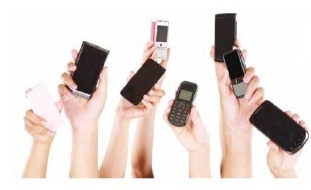
These work in a very similar way to the home phone accessories. They allow you to receive alerts when calls come through and then answer the phone without having to remove it from your pocket or bag.

According to YourHearing Wireless, technology is advancing all the time, making it easier for hearing aid users to enjoy things that they previously found difficult or frustrating. Each manufacturer has a different range of accessories so you would need to check to see what is available for your particular hearing aids. There are so many options available today it is possible for everyone to get themselves and their hearing aids wireless enabled.

Stay tuned for part two to be posted in early 2014 which will highlight other types of devices that can connect to your hearing aid and help you hear better.

Author Bio:

Paul Harrison has been in the Hearing aid industry for 20 years and in that time has worked at both manufacturer and retailer level before managing his own online hearing aid business www.yourhearing.co.uk which is a national network of local hearing aid audiologists who offer the main hearing aid brands at less than the high street but with the same quality aftercare and warranty.

Print Friendly and PDF

BLOG ARCHIVE

Stuffed After Thanksgiving? Don't Be a Turkey - Get Active!

By Tara Guastella

Over Thanksgiving this week, many of us will spend time giving thanks with family and friends. Thanksgiving is also unique in that it’s a holiday specifically about food (and not, say, gift-giving or something religious). I can’t wait to devour many traditional Thanksgiving foods (cranberry sauce, pumpkin pie!) because I wait for them all year long. Yet each year I always find myself overeating, including on Thanksgiving leftovers. I can’t resist a cold turkey sandwich with stuffing and mashed sweet potatoes.

After the long Thanksgiving weekend, I force myself back to the gym to burn off those excess calories. But participating in sports and other physical activities can be a challenge for those with hearing loss who use hearing aids or cochlear implants. The potential for moisture damage, losing the device, and sacrificing sound quality can cause many to (happily) skip a good workout.  

You can’t use these reasons as excuses, though. Hearing aid manufacturers have boosted technology, styles, and accessories to allow you to take part in your favorite activities.

Waterproof hearing aids (such as the Siemens Aquaris) and cochlear implants (such as the Advanced Bionics Neptune processor) eliminate worry about water damage. Ask your hearing healthcare professional for details. And in case your hearing device is not fully water-resistant, follow these tips for emergency care of water-damaged devices.

If you enjoy an outdoor run or bike ride in the park, wind noise can pose a problem for hearing aid users. The next time you are considering an upgrade, remember that completely-in-the-canal (CIC) hearing aids sit deep enough in the ear canal that wind won’t affect it. All hearing aids also have “wind noise reduction” settings which can help reduce noise from wind as well.  

There are also accessories that can help keep your hearing aid in place while you are in motion. The waterproof Neoprene Ear Band-It is worn like a traditional sweatband and helps keep any style of hearing aid in place. (It’s also useful for limiting water exposure to the ears—reducing the risk of ear infection, if you or your child is prone to them in water.) You can also choose brightly colored safety cords or clips that attach hearing aids to a piece of clothing and/or to each other or eyeglasses for added security.

Before trying a new activity, always be sure to speak with your hearing healthcare provider so you can make sure your hearing device is up to the task (or learn about one that is). Be sure to ask about the warranty or insurance in case something does happen to your hearing device.

Learn more ways to protect your hearing gear from Hearing Health magazine’s “Get Active.”  


Happy Thanksgiving!

Print Friendly and PDF

BLOG ARCHIVE

How Your Smartphone Can Help You Hear Better

By Yishane Lee

Since they first became available, smartphones such as those from Google and Apple have provided a boon to people who have hearing loss. Because of the sophisticated, built-in microphone in these phones, there is a panoply of apps (applications) that help boost the volume at varying levels of sophistication, and many are free or nearly free to download. Composer Richard Einhorn (a friend of HHF) has described the various apps he uses in his work as well as hear better.

There are also apps that measure decibel levels, allow you to mix sounds to favor high frequencies, and help you program your hearing device. In Hearing Health magazine, we have written about and reviewed various apps—see “12 Apps to Help You Hear Better” and “Apps Explosion”—and the field is constantly evolving and expanding.

Now we have what promises to be an even more seamless integration between the smartphone and hearing aid. Last year, Apple, the maker of the iPhone and iPad, made its programming interface accessible to hearing aid manufacturers so that they can better integrate hearing devices with those devices. In October, as reported by David Copithorne on the blog Hearing Mojo, Denmark-based hearing aid maker ReSound has announced the first “made for the iPhone” hearing aid, the LiNX.

Copithorne predicts that Apple’s “cool factor” will encourage more first-time hearing aid users to try a hearing aid such as LiNX. Plus, the technology in LiNX eliminates the need for an added device (such as a neck loop) in order to stream sound between a smartphone and hearing aid—a simplification both first-time and long-time hearing aid users will appreciate.

Among the many tech upgrades that Copithorne reports, ReSound also says it has resolved a nagging issue for people who use wireless technology and/or Bluetooth for extended periods of time: battery drain. It promises its new device  is more powerful and less power hungry than others.

It’s nearly impossible to keep up with all the new apps that are introduced (and keep in mind that Apple reviews apps before allowing them into iTunes, whereas Google does not have a vetting process for apps available on Google Play). That said, two new apps are taking fresh approaches to sound and hearing. The first is Lumisonic, which was originally designed to work for music. The app (available for the Nintendo Wii console, iPhone, or a PC or Apple desktop computer) adds real-time graphics and vibrations to any sound. Its software translates soundwaves from music or speech into radiating circles that are altered based on the sound. You can also alter the sounds yourself, like a synthesizer.

Proloquo2Go is an iPhone-only app that aims to help people who have no voice to communicate. After selecting a sentence using easy-to-understand graphical icons, the app pronounces it and writes it for you. You can add words not in the app’s vocabulary database by typing them in and selecting new icons; you can even take photos using the iPhone and assign them to words. Voices varied by gender and age are available to read the sentences.

As the smartphone (and tablet) market continues to expand, you can bet we’ll have ever more hearing-related apps. Let us know about your favorites below.

Print Friendly and PDF

BLOG ARCHIVE

Yes, the Holidays Are Right Around the Corner - But No Need to Panic

By Yishane Lee

Every year at about this time I start to make lists of gifts to give various members of my family. Not only are the holidays right around the corner but everyone but me (and the cat) has a fall birthday! It can be a challenge.
 

It can be even more of a challenge if you’re shopping for a loved one who has a hearing loss. You want to be sure to get a gift that shows you care and that you’re aware of the obstacles they may face. In our annual Holiday Gift Guide—available in the Fall issue of Hearing Health, in your mailboxes soon and now online—we’ve compiled a list of our favorite items for gift-giving.


These range from an astonishing memoir by a successful lawyer who only discovered he had a hearing loss is his 30s. Gerald Shea, author of “Song Without Words,” recounts the ways he subconsciously coped through school and work while exploring such issues as the nature and significance of language.
 

You may also want to consider two types of headgear—the AfterShokz Sportz Headphones and the Max Virtual Cynaps Cap—that conduct sound through the bones in your skull directly to your inner ear through vibration. Sports enthusiasts and those with hearing loss alike can benefit from these innovative products.
 

We also have a great list of vibrating watches, earplugs, phones and phone signalers, clocks, and cochlea-inspired jewelry, along with suggestions from our staff writers who have hearing loss—including the best stocking stuffer ever. Aren’t you wondering what it is? Browse through our gift guide, “Gifts From the Heart,” and find the perfect gift today.
 

For people who are considering getting a hearing aid, or updating their current one, we have two stories for you. “What to Expect When You’re Expecting… Hearing Aids” by staff writer Courtney M. Campbell, Au.D., manages expectations when it comes to getting hearing aids. Here’s a hint: It’s not like getting glasses—it’s not a one-step process.


And if you’re thinking of upgrading or updating your hearing aids, here’s another hint: Rapid advances in technology mean a new, low-priced aid is likely to be better than even a premium aid from a year ago. Read “8 Signs You May Need a New Hearing Aid” by Barbara Jenkins, Au.D., BCABA.


Look for the Fall issue in your mailboxes soon and online now. If you’re not already a subscriber to our award-winning and free quarterly publication, make sure to subscribe here.

Print Friendly and PDF

BLOG ARCHIVE

Marathoning for a Cure for Hearing Loss and Tinnitus

By Tara Guastella

Whether it’s cycling, running, swimming, or whatever interests you—be it baking, knitting, or painting—we can work together to help you fundraise to help HHF fund research that will cure hearing loss. This fall, several individuals across the country will be running a marathon for a cure for hearing loss and tinnitus while raising funds to help HHF support groundbreaking research.

Marine Corps Marathon
Sixteen years ago, Julie Davis joined a group of 50 million people in this country, and it wasn't by choice. Her left ear stopped working and the buzzing and ringing started. Not only had she experienced profound hearing loss, but she also acquired vertigo, balance issues, and other consequences associated with hearing loss that many people rarely discuss. On October 27, 2013, Julie will Run for the Buzz in the Marine Corp Marathon and is raising funds for a cure for hearing loss and tinnitus. Support her run today!

ING New York City Marathon
On November 3, 2013, Tom Abbey, Veronica Calhoun, Tara Guastella (HHF staff member and the author of this post), Andy Shepard, and Kim Montini will tackle the 26.2 miles of the NYC Marathon in support of a cure for hearing loss and tinnitus. Each team member is spending the next several months training for the run with Tom Abbey of Functional Fitness VA, a team member and trainer. Whether being impacted by hearing loss personally or through a family member, each team member is excited to raise funds for HHF in order to expedite the timeline to a cure.
    
Visit Team Hearing Health's Marathon page and support the team as they run through the five boroughs of NYC for a cure for hearing loss and tinnitus.

Learn about other unique ways individuals are fundraising to cure hearing loss. If you are interested in fundraising for a cure, please contact development@hhf.org.

Print Friendly and PDF

BLOG ARCHIVE