Tinnitus News and Research
Thanks to the generosity of the Les Paul Foundation and our community of supporters, Hearing Health Foundation funds groundbreaking research to advance the scientific understanding of tinnitus. Grants focused on tinnitus are awarded to promising scientific investigators through our Emerging Research Grants program.
Most people don’t think about protecting their hearing until it’s too late. Every concert, loud commute, and noisy day adds up—and there’s no undo button.
My brain now makes up music with a drone tone mostly in the key of D, pounding rhythms, melodies, and harmonies often in different keys.
Eventually I discovered something different: Living with chronic illness is about adapting to a new rhythm with your body. Here’s what I’ve learned.
Music is my passion, and honestly, losing the ability to listen to it would feel like losing my whole heart. Protecting my hearing is such a small habit for something that pays off for the rest of your life.
What I found is that veteran tinnitus is clinically distinct from civilian tinnitus due to the severity of noise exposure and the augmenting effects of post-traumatic stress disorder and blast-induced traumatic brain injury.
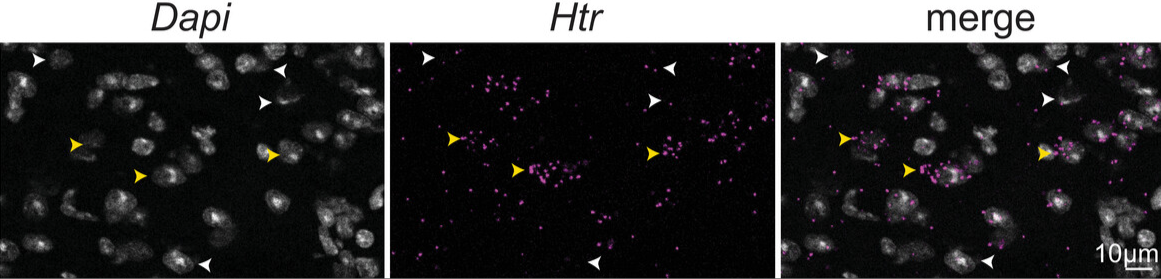
Serotonin seems to quiet down excitatory neurons while boosting inhibitory ones. This differential modulation may help us to understand the role of serotonin in auditory disorders such as tinnitus and age-related hearing loss.
Because noise-canceling earbuds are so comfortable and block everything out, people wear them for three, four, five hours straight without realizing the cumulative effect on their ears.
Tinnitus Quest’s Tinnitus Hackathon prioritized active problem-solving, cross-disciplinary debate, and the development of a shared research agenda.
Social platforms have become spaces to compare symptoms, crowdsource explanations, and seek community. For tinnitus, that openness has helped many people feel less alone. Unfortunately, it has also created space for confusion, misinformation, and discouraging myths that can delay effective care.
Often these surprising sources of loud sounds come about from a misguided belief that loud means fun—the louder it is, the more festive. The good news? Because the decibel scale is logarithmic, turning it down even a little can help save our hearing a lot.
It seems paradoxical that a hearing condition intended to work against me could give me the power to truly understand music, but this battle has taught me more about positivity and hope than any motivational speech could.
Learn More:
What Is Tinnitus?
What Causes Tinnitus?
Diagnosing Tinnitus
Tinnitus Treatments
Effect on Daily Life
Tinnitus News and Research
Last reviewed in May 2023 by Rohima Badri, Ph.D.

With support from an R21 grant from the NIH, Hui Hong, Ph.D., will investigate how the auditory efferent system changes after noise-induced hearing loss and whether those changes help or hinder recovery.