
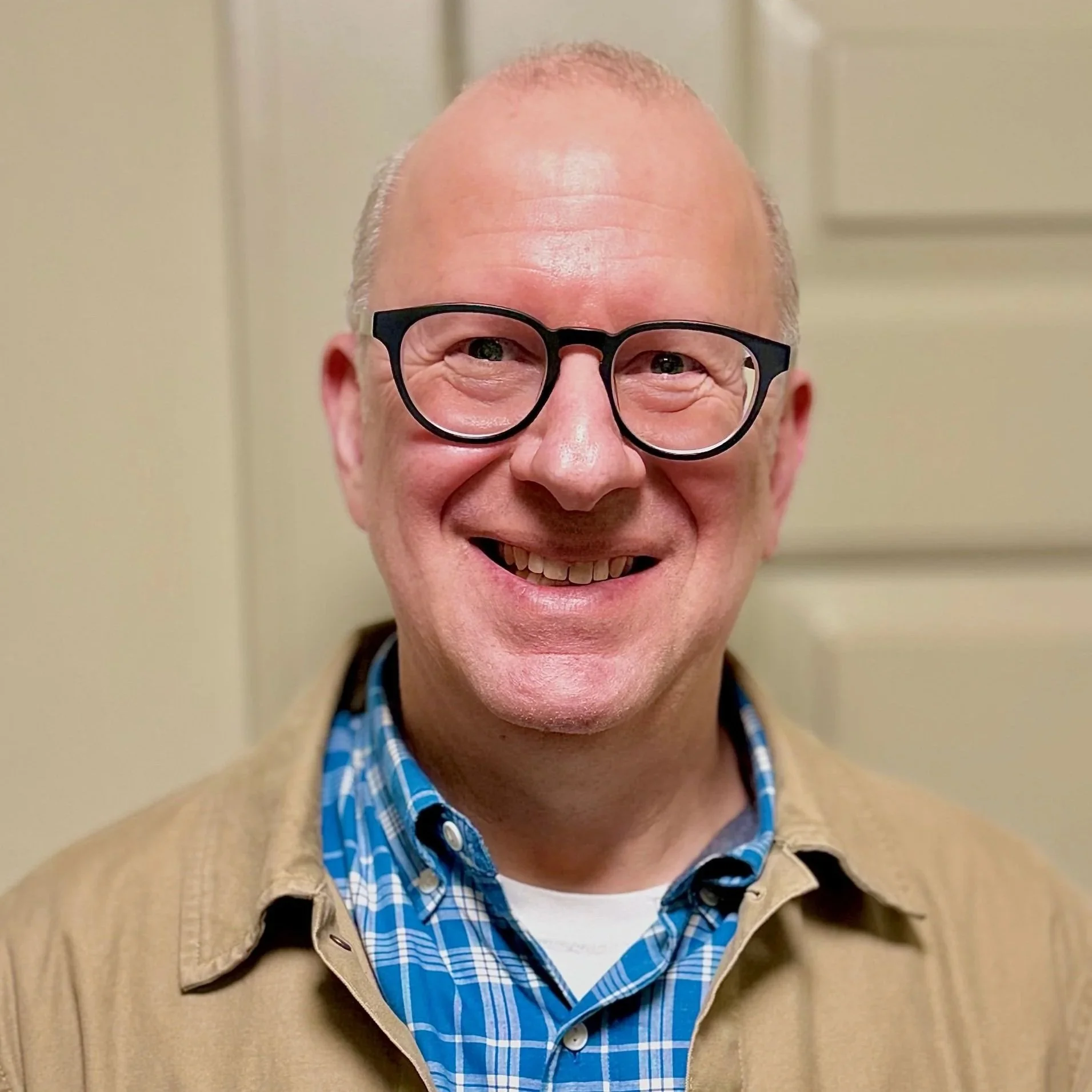
Douglas Epstein, Ph.D.
University of Pennsylvania, Perelman School of Medicine
Meet the Researcher
Douglas J. Epstein, Ph.D., is a professor and vice-chair of genetics at the Perelman School of Medicine at the University of Pennsylvania, where he also directs the Genetically Engineered Mouse Core Facility. He co-directs Penn’s Center for Adult Onset Hearing Loss, a multidisciplinary initiative that integrates human genetics, biobank research, and experimental models to define the genetic architecture of adult hearing loss and related vestibular disorders. He received his doctorate from McGill in Montreal, and was a postdoctoral fellow in developmental genetics at Harvard. He is a 2027 Emerging Research Grants scientist, generously funded by an anonymous donor.
The Research
Defining the role of EYA4 risk variants in the pathogenesis of Ménière’s disease.
Ménière’s disease is a disabling inner-ear condition that can cause sudden episodes of spinning dizziness, changing hearing loss, ringing in the ears, and a feeling of pressure or fullness. Although these symptoms can be severe and unpredictable, we still do not understand why most people develop the disease.
Our recent large genetic study—comparing nearly 9,000 people with Ménière’s disease with more than 1.9 million people without it— identified several DNA regions associated with disease risk. Two of the strongest signals lie near a gene called EYA4, which is active in the inner ear and is already known to be important for hearing. The DNA differences associated with Ménière’s disease are likely not changing the EYA4 protein itself. Instead, they may act like altered “dimmer switches,” changing when, where, or how strongly EYA4 is turned on in the cells that support hearing and balance.
This project will determine which of these DNA differences are most likely to cause increased disease risk and test how they affect EYA4 activity in the inner ear. We will use advanced genetic analyses to narrow the list of possible causal variants, then test human DNA regulatory sequences in mice to see whether risk-associated versions behave differently from non-risk versions in the living inner ear.
We will also investigate what happens when EYA4 is disrupted in specific inner-ear cell types in adult mice. By measuring balance behavior, hearing, inner-ear function, and tissue changes, we will test whether loss of EYA4 produces key features of Ménière’s disease, including vertigo, progressive hearing loss, and abnormal fluid buildup in the inner ear.
Together, these studies will convert newly discovered genetic clues into a clearer explanation of disease biology. The work may identify the molecular changes that make some people more susceptible to Ménière’s disease and establish experimental models needed to develop better risk prediction, prevention strategies, and ultimately more precise treatments.
Long-term goal: The project’s longer-term goal is to move Ménière’s disease from a condition defined largely by symptoms to one understood and managed through its underlying molecular causes. By determining how common genetic variants near EYA4 alter inner-ear function, the work aims to build a translational pathway from genetic discovery to patient stratification, disease modeling, and targeted intervention. The goals in detail are:
Define the causal EYA4 variants, the inner-ear cell types in which they act, and the biological pathways through which they contribute to Ménière’s disease onset and progression.
Develop genetic risk tools—potentially including locus-specific or polygenic risk scores—that could identify people at elevated risk before substantial and irreversible cochlear or vestibular injury occurs.
Create validated inner-ear regulatory elements and conditional Eya4 mouse models as durable research resources for testing drugs, gene-based approaches, and other mechanism-directed interventions.
Extend the analytic and experimental framework beyond EYA4 to additional Ménière’s disease and adult-onset hearing-loss genes, helping identify shared pathways across auditory and vestibular disorders.
Potential patient and clinical impact: Although this is foundational research rather than an immediate clinical treatment study, it could have important future implications for patients. Identifying genetic and molecular subtypes of Ménière’s disease may eventually support more individualized prognosis, earlier monitoring of patients at higher risk for progressive hearing or balance loss, and better selection of participants for clinical trials. Most importantly, the proposed models could enable rigorous preclinical testing of therapies intended to stabilize inner-ear function, protect vulnerable cell populations, or correct disrupted EYA4-regulated pathways. In the longer term, this could shift care from primarily managing vertigo and hearing symptoms after they arise toward earlier, mechanism-guided prevention and treatment strategies designed to preserve hearing, balance, safety, and quality of life.
The Project’s Genesis
This project grew from an ongoing collaboration between my human genetics colleague, Iain Mathieson, and me, bringing together complementary expertise in inner-ear biology and human population genetics. Dr. Mathieson became increasingly interested in our mechanistic studies of hearing loss and in the remarkable genetic and clinical complexity of adult-onset hearing disorders. Our earlier collaboration in a diverse hospital-based cohort demonstrated the value of combining large-scale human genetic analyses with experimental insight into hearing and inner-ear biology.
Building on that foundation, Dr. Mathieson suggested that we apply our complementary skills to an even more challenging problem: understanding the genetic basis of Ménière’s disease. Ménière’s disease is particularly difficult to study because its hallmark symptoms—episodic vertigo, fluctuating hearing loss, tinnitus, and a sensation of ear fullness—vary substantially over time and among affected individuals. This clinical variability complicates both diagnosis and efforts to identify underlying genetic contributors, especially in the more common sporadic cases.
Rather than arising from a single “eureka” moment, the project emerged through sustained analysis, discussion, and the recognition that recent advances in large-scale human genetics could be paired with precise in vivo studies of inner-ear gene regulation. Our genome-wide association study provided the critical opening by identifying strong signals near EYA4, a gene with an established role in hearing. The central question—and motivation for this funded work—became how common DNA variants at this locus alter EYA4 activity in the cells responsible for maintaining hearing and balance.
The project is therefore a natural extension of our previous work and collaboration: using human genetic data to identify plausible disease mechanisms and then testing those mechanisms in biologically relevant mouse models. By combining Dr. Mathieson’s expertise in population-scale genetic discovery and fine-mapping with my expertise in inner-ear development, gene regulation, and mouse genetics, we aim to transform statistical genetic associations into a concrete understanding of Ménière’s disease biology and, ultimately, create a foundation for more precise diagnosis and treatment.
Yeast and Fruit Flies
During my undergraduate studies I first encountered genetics in a way that made the scientific method feel both elegant and powerful. I was struck by how carefully designed experiments could reveal fundamental biological principles, particularly through studies of yeast and fruit flies. That interest deepened when I spoke with Michel Vekemans, M.D., Ph.D., a charismatic cytogenetics professor at McGill, about a summer research project that became my senior thesis and then my master’s work.
In that project, I used mouse genetics to study why some embryos with an extra chromosome survive while others do not. Seeing that a well-posed genetic question could be tested experimentally—and could illuminate a problem with direct relevance to human disease—was transformative. It showed me that research offered the combination I was looking for: intellectual discovery, rigorous problem-solving, and the chance to understand biology in ways that might ultimately improve human health.
While I do not have a personal or family connection to a hearing or balance disorder, my interactions with patients and clinical colleagues have strongly shaped how I think about the importance of this work. Hearing loss and balance disorders can be isolating and disruptive, yet they are often treated primarily by managing symptoms rather than addressing their underlying causes. That gap has reinforced my commitment to understanding the biology of the inner ear at the level of individual cell types, genes, and molecular pathways.
Research in my laboratory is motivated by the premise that defining the molecular and cellular mechanisms that guide cochlear development and maintain inner ear function can both deepen our understanding of this complex sensory system and ultimately change how hearing and balance disorders are treated. Discoveries of disease-associated gene variants in people and animal models have already shown how human genetics can reveal the specialized functions of inner-ear cells and point to mechanisms that may be therapeutically actionable.
This perspective also helped motivate the creation of the Center for Adult-Onset Hearing Loss (CAOHL), a partnership among Penn’s Departments of Otolaryngology and Genetics and the Penn Medicine Biobank. The Center brings clinicians, geneticists, and basic scientists together to identify patients whose hearing loss may have a genetic basis, define genetic risk, determine which patients may be candidates for intervention, and develop relevant mouse models and potential treatments. My approach to research is therefore increasingly translational: begin with the experiences and genetic data of patients, identify the biological mechanism, test it rigorously in experimental models, and ultimately work toward interventions that can be brought back to the clinic.
The Power of Collaboration
I have had many memorable moments throughout my career, but what stands out most are the many opportunities to collaborate with brilliant scientists—both in my own laboratory and around the world. Examining a problem through different scientific lenses often brings clarity to questions that cannot be fully appreciated from a single perspective.
If I had to choose an “aha” moment, it would be when we realized that a mouse model we had generated for an entirely different purpose exhibited vestibular and auditory defects caused by misregulation of the Sonic hedgehog gene. Doris Wu, Ph.D., was our first collaborator on this project and taught members of my laboratory how to perform inner ear paint fills. The striking morphology revealed by this relatively simple technique helped launch a 25-year love affair with inner-ear development, form, and function.
Growing up in Canada, I realized early on that my dream of becoming a professional hockey player was not fully supported by the available data from my time on the ice. Fortunately, I had always been fascinated by the human condition, so pursuing a career in science seemed like a much more sensible—and safer—alternative.
When I’m not in the lab, I can often be found in the gym, on a long bike ride, or on the ski hill. Exercise fuels my body and clarifies my mind which improves creativity of thought. When I was 6 years old, my sister persuaded me to hand over the contents of my piggy bank so she could buy the album “First Base” by the British band Babe Ruth. It turned out to be a worthwhile investment: To this day, it remains my all-time favorite album.
I see my future work focused on unraveling the genetic architecture of hearing loss and vestibular disorders in adults. Although substantial progress has been made in identifying individual genes that contribute to auditory dysfunction, adult-onset hearing loss and vestibular disease are rarely explained by a single genetic factor. I am particularly interested in determining how genetic variation interacts with environmental exposures and immune processes to shape disease susceptibility, progression, and clinical variability.
By integrating human genetics with mechanistic studies in model systems and increasingly powerful genomic approaches, I hope to define the gene–gene, gene–environment, and gene–immune interactions that influence hearing and balance across the lifespan. Ultimately, this work should help move the field beyond broad diagnostic categories toward more precise strategies for risk prediction, prevention, and treatment of adult hearing loss and vestibular disorders, including Ménière’s disease.