
Meet the Researcher
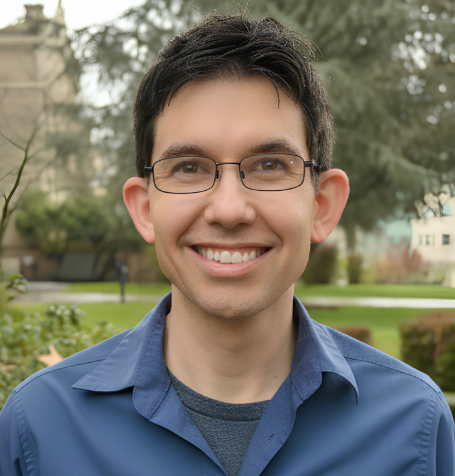
“My earliest memory is when my father showed me how the leaves of the mimosa plant fold up when touched, during one of our nature walks. Constantly asking 'how?' and 'why?' set off an insatiable, lifelong curiosity about things unknown (also fed by my sister, who studied biology and medicine). At age 4, I was diagnosed with profound bilateral sensorineural hearing loss and started wearing hearing aids. I still wear them today. This has greatly affected my career decisions—to better understand and find solutions for hearing loss.”
—Victor Wong, Ph.D., Burke Neurological Institute, Weill Cornell Medicine
Through Meet the Researcher (MTR), Hearing Health Foundation (HHF) aims to explain the Emerging Research Grants (ERG) projects in lay terms. Also included are the researcher’s funded project title and abstract.
By showing how each scientist became interested in their work, MTR reveals the people behind the research, so our generous supporters can best connect with the impact of their donations.
Our grant recipient database can be searched by year (back to 2006) and research topic. Please note: The 2022 ERG cohort follows directly from the 2020 ERG grantees. Our grant year start and end dates changed, so the way we designate grant years has too. HHF hasn't skipped a year and there has been no interruption in funding.

University of California San Francisco
The role of cochlear capsule bone remodeling in hearing loss
Although several bone diseases cause sensorineural hearing loss, the mechanism by which bony defects impair auditory function remains unclear. The long term goal of this research is to better understand the role of bone in the sensorineural function of the ear—with the objective of identifying bone targets that might be therapeutically effective in the prevention or reversal of hearing loss. The goal of this proposal is to test the hypothesis that abnormal remodeling of the cochlear capsule results in hearing loss by damaging the material quality of the cochlear bone matrix. Our recent studies on bone disease-associated hearing loss have shown that cochlear bone hardness is critical for hearing. Understanding bisphosphonate action in the ear is clinically important because drugs are commonly used to treat osteoporosis and bone disease-associated hearing loss.

University of Maryland
Neural adaptation in new hearing aid users
Hearing loss is among the top three chronic health conditions of senior citizens, affecting approximately 50% of the population > 65 years. Despite this high prevalence of hearing loss, only 20% of senior citizens with hearing loss use a hearing aid. Why do senior citizens reject hearing aids after trying them, despite available advances in hearing aid technology? One possibility is that current hearing aid fitting practices focus on providing adequate volume but do not take into account what happens to the amplified signal as it travels along the brain’s pathways. Aging and hearing loss can have a detrimental effect on the brain’s sound processing, and at this time, we don’t understand the impact of hearing aid use on sound processing. Furthermore, the brain’s responses to amplified sound may change over the course of time to the extent that hearing aid settings may need to be re-adjusted. This study compares brainstem and cortical-evoked electroencephalographic responses to speech with and without hearing aids in individuals who have never worn hearing aids, and then evaluates changes in the brain’s responses to amplified speech over the course of 6 months. This information should help hearing aid program designers and audiologists to optimize the hearing aid fitting.

University of Michigan
Novel mechanisms of cortical neuromodulation
Although there is currently no cure for tinnitus, recent experimental studies propose vagus nerve stimulation (VNS) may be a potential treatment to mitigate the condition because VNS releases natural chemicals (neuromodulators) that increase the brain’s ability to change. This is interesting because VNS has previously received Food and Drug Administration approval for treating drug-resistant epilepsy and treatment-resistant major depressive disorder. Despite considerable interest, how neuromodulators released by VNS could be therapeutically useful for tinnitus is unknown. This project will employ cutting-edge techniques to test a novel hypothesis: A major mechanism of action for neuromodulators is that they affect the function of dendrites, the long cable-like structures upon which neurons receive and integrate electrical signals. By identifying how neuromodulators impact the function of dendrites, these experiments may uncover novel targets for developing new treatments for tinnitus.

New York University
Defining myelin’s role in developing vestibular circuits
The vestibular system serves a vital purpose, to stabilize posture and gaze by producing corrective head and body movements. Vestibular circuits are myelinated early in life, suggesting a crucial role in proper balance development. In addition, balance, posture, and gait deficits are common symptoms for patients affected by diseases where myelin breaks down. Myelination alters conduction velocity thus it is crucial for circuit function. Recent studies have shown that the formation of novel myelin plays an essential role in memory formation and learning. The overall goal of this project is to define a role for myelin in vestibular circuit development and postural behaviors. We will investigate the consequences of loss of vestibular myelin on postural development. The work will also establish and validate transformative new tools to selectively disrupt the myelination of genetically defined subsets of neurons. I will test the role of myelin in different circuits for postural behavior, locomotion, and coordination in order to understand myelin’s contributions to circuit function. These novel tools will also permit future investigations into the role of myelin in auditory circuits and the consequences for hearing health.

Northwestern University
Conditional genetic manipulations at molecular intersection points to identify the embryonic origin of brainstem auditory neurons
Essential to typical sound recognition is the proper development of the auditory processing centers in the brainstem. Auditory information from the inner ear coalesces in a tonotopic distribution upon the brainstem cochlear nuclei. Utilizing a newly developed intersectional genetic fate mapping approach, the aim of this research project is to decipher genetic programs underlying the formation of these auditory nuclei.

Mass Eye and Ear
Auditory-limbic circuit dynamics as therapeutic targets in hyperacusis
Our research addresses a critical gap in understanding the neural basis of hyperacusis by focusing on the emotional dimensions of sound hypersensitivity. Previous work has established that cochlear damage leads to hyperexcitability throughout the central auditory pathway, but our approach uniquely focuses on the circuit-specific mechanisms that link auditory processing to emotional responses.
Specifically, we investigate how noise-induced hearing loss affects two parallel pathways to the lateral amygdala: the cortico-amygdalar (CAmy) and thalamo-amygdalar (TAmy) projections. This pathway- specific investigation represents a novel approach to understanding hyperacusis, as it targets the precise neural circuits that may mediate both the perceptual and emotional components of this disorder.

University of Colorado Boulder
Hearing loss and cardiovascular disease risk burden: epidemiological and physiological data
Although hearing loss is often considered in isolation, recent evidence points toward comorbidity with other conditions including cardiovascular disease (CVD). Both hearing loss and CVD are prevalent chronic conditions, and the auditory system has a demonstrated vulnerability to cardiovascular-related diseases. Given that audiologists are likely to see patients with co-occurring conditions, a better understanding of CVD risk factors is useful. This study will use, for the first time, the notion of risk burden to explore the link between CVD and hearing loss in a large dataset, and will examine the link using specific measures of auditory status in a cross-sectional study. Through the use of cost-effective, clinically available techniques in conjunction with epidemiological data, a greater understanding of CVD risk factors that contribute to hearing loss will be a key toward prevention, early identification, and treatment.

Arizona State University
The role of NMDA receptors in vestibular circuit function and balance
The vestibular cerebellum is the part of the brain that integrates signals that convey head, body and eye movements to coordinate balance. When this neural processing is disrupted by central or peripheral vestibular disorders, profound instability, vertigo, and balance errors result. We lack a basic understanding of the development and physiology of the first vestibular processing region in the cerebellum, the granule cell layer. This lack of knowledge is a major roadblock to the development of therapies that could ameliorate peripheral disorders such as Ménière’s disease. This project will look at a specific understudied cell type in the granule cell layer of the cerebellum, unipolar brush cells (UBCs). Our focus is particularly on the cells’ glutamate receptors, which control synaptic communication. It remains unclear how glutamate receptors assume their form and function during development, and we hypothesize that the NMDA-type glutamate receptors expressed by developing UBCs are necessary for the development of the remarkable dendritic brush of these cells, which slows and controls communication across the synapse, and the cells’ function in the circuit.

Arizona State University
The role of unipolar brush cells in vestibular circuit processing and in balance
The cerebellum receives vestibular sensory signals and is crucial for balance, posture, and gait. Disruption of the vestibular signals that are processed by the vestibular cerebellum, as in the case of Ménière’s disease, leads to profound disability. Our lack of understanding of the circuitry and physiology of this part of the vestibular system makes developing treatments for vestibular disorders extremely difficult. This project focuses on a cell type in the vestibular cerebellum called the unipolar brush cell (UBC). UBCs process vestibular sensory signals and amplify them to downstream targets. However, the identity of these targets and how they process UBC input is not understood. In addition, the role of UBCs in vestibular function must be clarified. The experiments outlined here will identify the targets of UBCs, their synaptic responses, and the role of UBCs in balance. A better understanding of vestibular cerebellar circuitry and function will help us identify the causes of vestibular disorders and suggest possible treatments for them.

Oregon Health & Science University
Chronic transmitter exposure in excitatory neurons of the cochlear nucleus generates persistent excitation and could underlie tinnitus
The dorsal cochlear nucleus in the brainstem receives not only auditory signals directly from the ear but also multisensory input from other areas of the brain. However, the sources of these inputs are unclear. We do know the inputs are processed through unipolar brush cells (UBC), a type of nerve cell in the cochlear nucleus that amplifies signals. This cell derives its name from its single paintbrush-like dendrite, which shows persistent excitation due to chronic neurotransmitter exposure. My project is to investigate whether problems with the multisensory inputs or with the chronic neurotransmitter at the UBC synapse lead to hyperactivity of the cochlear nucleus, which is associated with tinnitus.

University of Colorado, Denver
Effect of deafness duration on the efficacy of cochlear implants for single-sided deafness
One of the large challenges in attempting to predict outcomes of cochlear implantation is due to the diverse clinical characteristics of implant candidates. Our initial studies have worked to isolate the effect of one variable (duration of deafness) in a specific etiology (single-sided deafness) on implant efficacy. By studying auditory neurophysiological responses to cochlear implant stimulation in an animal model for single-sided deafness, we can investigate objective performance and changes in brainstem physiology.


University of Washington
Aminoglycoside compartmentalization and its role in hair cell death
The goals for this project are to develop new tools that will help the scientific community to deepen our understanding of the vesicular network in hair cells, both during stress and normal conditions. We will develop novel fluorescent probes to mark the different compartments in the vesicular network. This will allow for visualization of the drug as it transitions through various levels within the vesicular network. In order to better analyze these structures, we will pair these images with custom-made image analysis algorithms that will allow us to study vesicles in a deeper way. Overall, these tools will allow us to open new research avenues that will help to further understand how aminoglycosides, and other drugs with ototoxic effects, like cisplatin, a cancer chemotherapy drug, are killing hair cells. Our results could help direct new research and lead to novel therapeutic treatments to avoid further hearing loss in patients undergoing these treatments.

Baylor College of Medicine
Development of Biomarkers to Study Strial Development and Degeneration
The stria vascularis is a specialized tissue in the inner ear, localized in the lateral wall of the cochlea. This tissue generates endolymph, a special fluid that is rich in potassium and provides the driving force for the function of the sensory cells in the ear. Strial defects are implicated in many human syndromes involving profound hearing loss and are one of the main causes of presbycusis (age related hearing loss). In spite of its importance for normal hearing, we know very little about the development of the stria vascularis. The goal of this project is to identify the genes that are responsible for strial development, and that present the potential to restore or regenerate damaged stria vascularis in cases of both congenital or age related hearing loss.
Research Area: Stria Vascularis Atrophy/Development
Long Term Goal: To understand how the development of the stria vascularis and apply this knowledge towards the regeneration and/or repair of damaged stria vascularis in cases of congential defects or age related hearing loss.

University of North Carolina at Chapel Hill
Synaptic organization and plasticity in the auditory cortex following cochlear ablation: role of serotonin neurotransmission
The long-term objective of this proposal is to investigate mechanisms of plasticity in auditory cortex neurons following bilateral cochlear ablation. The evaluation of auditory cortex neuronal functioning in an animal model of deafness and the progressive identification of neurotransmitter receptor systems that may modulate their activity after hearing loss, may lead to the development of pharmacologic tools to facilitate restorative hearing.
Johns Hopkins University
Connexin involvement in spontaneous activity in the developing cochlea
Our recent studies indicate that spontaneous activity in the developing auditory nerve is initiated by the release of ATP from supporting cells in the organ of Corti. The goal of these studies is to evaluate the role of connexins in triggering ATP release from supporting cells. We propose to use electrophysiological and imaging methods in whole-mount preparations of pre-hearing cochleas to probe the sensitivity of spontaneous activity to manipulations that inhibit gap junction/hemichannel activity. We will extend these studies by testing whether expression of connexin 26 mutants associated with congenital hearing loss (R75W, W44C) alters this spontaneous activity. The studies outlined in this proposal seek to test the hypothesis that connexins play an essential role in the propagation of Ca2+ waves through the support cell network, and are responsible for the release of ATP in the developing organ of Corti.

Massachusetts General Hospital
A systems approach to characterization of subcortical and cortical contributions to temporal processing deficits in central auditory processing disorders
Increasingly in the clinic, children report difficulty in understanding speech in the presence of other competing sounds. When these children are able to detect faint tones normally and show no classic signs of other neurological disorders, they are labeled as having Central Auditory Processing Disorder (CAPD). Understanding speech in a noisy setting is complex and relies both on the representation of subtle sound features by the auditory system, and the brain’s ability to make use of this information. Thus, difficulty can arise for a variety of reasons. Indeed, difficulty communicating in noisy settings is reported in a wide range of diagnostic categories such as Language Delays, Autism Spectrum Disorders, and Dyslexia among others. Yet, robust diagnostics that characterize CAPD – an auditory-specific disorder – as distinct from these other disorders are lacking. Here, we will use otoacoustic emissions and non-invasive brain imaging techniques (Electro/Magnetoencephalography) to passively measure how children’s inner ear, brainstem and cortex capture sound information. By examining the relationship between these measures and listening behavior, we aim to obtain a detailed objective test battery for the assessment of auditory function that would lead to novel clinical diagnostics for CAPD and provide clues for targeted intervention.

Rochester Institute of Technology
Auditory Experience, Critical Periods, and the Development of Categorical Perception in Cochlear Implant Users: A Preliminary Investigation
My project will investigate the role of age on the success of cochlear implantation and auditory experience on the development of perceptual (phoneme) categories in prelingually deaf cochlear implant users. The research will demonstrate the degree to which these cochlear implant users can categorize speech sounds, which will improve our understanding of speech perception and the effects of early auditory deprivation on the overall success of cochlear implantation.

University of Colorado - Boulder
Toddlers’ and preschoolers’ ability to hear speech in noise: Assessing performance with a two-interval, observer-based procedure
Children require access to acoustic information in order to develop speech and language. However, this information is often degraded because of competing sounds in the environment. While it is clear that children’s ability to listen in noise substantially improve between infancy and entering school, we do not know how and when this process unfolds during the intervening years.
The objective of this project is to develop a reliable behavioral method for measuring speech perception in noise for toddlers and preschoolers. This approach will build upon a recently developed testing method, in which a child’s behavior is judged by an experimenter using a two-interval, two-alternative testing paradigm . The children’s response to the stimulus is further shaped by training them to perform a conditioned play-based response to the sound. The proposed research will test the hypotheses that reliable data can be collected from toddlers and preschoolers and that speech-in-noise abilities improve dramatically during this time period. Results from this project will provide us information on how typical auditory development unfolds during the toddler and preschooler years, which may advance our understanding of the potential underpinnings of auditory processing disorders and the effects of hearing loss.

University of Iowa
Investigating the Role of CaBP1 in KCNQ4 Channel Modulation
KCNQ4 potassium channels play an important role in controlling the responsiveness of auditory hair cells to sound stimulation. Mutation of the gene encoding this channel cause deafness in humans, which is typically due to improper functioning of these channels in the ear. I have identified a novel interaction between Ca2+ binding protein 1 (CaBP1), which is highly expressed in auditory hair cells, and KCNQ4. The goal of this research is to evaluate the functional consequences of this interaction on the cellular localization and biophysical properties of KCNQ4 channels in auditory hair cells.
Research area: fundamental auditory research
Long-term goal of research: To understand at the molecular level how hair cells function normally in sound detection and develop novel therapeutic strategies for treating patients with inherited forms of hearing loss.

University of Missouri–Columbia
Role of otocadherin and CAML in the inner ear
By exploring the underlying biological pathways involved in normal as well as abnormal hearing and balance, a more targeted approach to treatment is possible. By exploring the relationship between otocadherin and CAML, increased knowledge of the role of otocadherin, including which proteins it interacts with, will enable researchers to determine if it will be possible to correct defects in patients with Usher syndrome.
Oregon Health & Science University
Drug-mediated cochlear synapse regeneration: reversing central gain and hyperacusis in a gerbil model
Loud noise exposure in the workplace and everyday environments is one of the leading causes of hidden inner ear damage. While traditional hearing tests measure the quietest sounds a person can detect, they frequently miss a critical form of injury: the damage to the nerve connections (synapses) that carry sound signals from the inner ear to the brain. Because standard hearing tests only evaluate basic sound detection, individuals with this nerve loss can still register “normal” hearing thresholds on standard audiograms. However, behind this apparent typical hearing, the brain is not receiving normal auditory information from the ear.
To compensate for this reduced input, the central auditory system turns up its internal “volume knob.” This adaptive brain response, known as “central gain,” is an attempt to amplify faint signals. Unfortunately, when the volume remains turned up too high, it can cause decreased sound tolerance where some sounds become uncomfortably loud. Decreased sound tolerance can impact daily function and affects up to 15 percent of older adults, yet there are currently no approved medications available to repair auditory nerve damage.
To address this critical therapeutic gap, this project evaluates a promising strategy: repurposing an extensively tested, FDA-approved drug. Utilizing a medication with an already established human safety profile dramatically accelerates the timeline for bringing a tangible treatment to patients. This specific drug acts on key biological pathways that actively stimulate the repair and regeneration of damaged auditory nerve connections.
Our research will test two clinically practical delivery routes to determine the most effective approach: an oral pill that works systemically, and a targeted gel placed directly into the ear to deliver the medication locally. Using preclinical models of noise-induced damage, we will examine the direct relationship between rebuilding ear-to-brain nerve connections, turning down central gain in the brain, and restoring normal loudness perception.

Oregon Health & Science University
Neural mechanisms of hyperacusis in the inferior colliculus and cortex of ferrets with noise-induced auditory neurodegeneration
The development of effective treatments for hyperacusis (the diminished tolerance of loud sounds) and tinnitus (a persistent ringing in the ears) is limited by existing animal models. Current animal models are generated by high-intensity noise exposure or by the administration of salicylate, the active ingredient in aspirin. In addition to producing symptoms of hyperacusis and tinnitus, both of these manipulations lead to elevated hearing thresholds by damaging inner ear sensory cells. Damage to inner ear sensory cells leads to altered auditory processing, which makes it difficult to identify the specific changes that produce hyperacusis and tinnitus. While hearing loss is the primary risk factor for these disorders, they cannot be explained by damage to sensory cells alone. In fact, hyperacusis, tinnitus, and difficulty understanding speech in noise have been reported even in individuals with normal auditory thresholds. Therefore, in order to tease out the specific changes to the auditory system that result in tinnitus and hyperacusis, the ideal animal model should not have sensory cell damage.
Recent evidence from studies in mice suggests that moderate noise exposure can cause damage to the auditory nerve without altering hearing thresholds. Mice with this type of auditory nerve damage show symptoms of hyperacusis and humans who report tinnitus, but have normal auditory thresholds, also show signs of similar damage. It has also been hypothesized that auditory nerve damage will lead to increased difficulty understanding speech in the presence of background noise. Thus, moderate noise exposure provides a potential animal model for patients who have normal hearing thresholds, yet still experience hyperacusis, tinnitus, or difficulty hearing in noise. We will assess the perceptual effects of this auditory nerve damage by training noise-exposed ferrets to perform behavioral tests designed to parallel tests of hyperacusis, tinnitus, and difficulty hearing in noise that are conventionally used in human listeners. We will also assess how auditory responses in the central auditory system are altered by this type of auditory deficit to determine whether the changes in neural responses may explain the perceptual effects of hyperacusis, tinnitus, and difficulty hearing in noise.
Lehigh University
Efferent loizounction in sound localization processing
Auditory processing relies on precise coding of acoustic features to build an accurate internal representation of the environment. Sensory systems build this representation through faithful encoding of sensory stimuli at the level of sensory organs. This neural signaling is enhanced by active feedback on sensory neurons from higher central processing centers. These "efferent" pathways have been characterized for the cochlea and to some extent, in the midbrain. There is little data efferent function in the early stages of auditory processing in structures that process sound location information. This may be due, in part, to the complexity of this system in mammalian circuits. The bird auditory system is a major model for human sound localization processing. Indeed, birds process ascending circuitry that is strikingly similar to mammals in structure and function, but with efferent circuitry that is appealingly simple. My aim is to investigate this elegant efferent brain stem circuit in birds to build a comprehensive model of its function within this functionally understood auditory circuit. These studies will both characterize the neurons responsible for this feedback, and examine their impact on their targets. The long-term objective is to build a mechanistic understanding of sound localization circuitry in vertebrate systems.

Oregon Health & Science University
Apical cochlear mechanics after cochlear implantation
The long-term research goal is to establish, treat, and prevent cochlear implantation-induced hearing loss. This mechanics project is the first time the vibration of the inner ear has been measured in the presence of a cochlear implant, and there is much to discover—such as measuring the efficacy of drugs that help to suppress scarring, as well as testing different electrode designs, and even extending to other diseases of the inner ear such as Ménière’s disease. I believe that optical coherence tomography has a big role to play in the future of both basic hearing science and hearing restoration.

Emory University
Harmonin interactions with voltage-gated Ca3+ channels in a mouse model of Usher syndrome
Usher syndrome is the leading cause of hereditary deafness and combined deafness and blindness in humans. This research will illuminate a novel mechanism of Ca3+ channel regulation that may be important for auditory function. By carefully characterizing the defects in Ca3+ channel properties in the mouse Usher syndrome model, the researcher will be able to follow-up with strategies to restore function to these mice, which may be ultimately useful in limiting deafness and balance problems in human patients of Usher syndrome.

University of Texas at Austin
Auditory gating in tinnitus
Tinnitus is the perception of sound, such as ringing or buzzing, without an external source. Though tinnitus likely arises, in part, from hearing loss in the inner ear, research has determined that the ongoing perception of tinnitus occurs in the brain. It has been suggested that auditory gating, a function carried out by the brain in filtering out unimportant auditory information, may be abnormal in individuals with tinnitus and contribute to the conscious perception of the phantom sound.
Auditory gating can be measured noninvasively through the brain’s cortical response to sound during recording of brainwave activity, known as EEG (electroencephalography). In typical auditory gating function, cortical auditory evoked potentials (CAEPs) recorded during EEG show a decrease in amplitude when sounds (e.g., tone pairs) are presented close together in time. This decrease in amplitude reflects the brain’s ability to filter out repetitive auditory input. In atypical gating function, CAEP amplitude remains the same across sound presentation or shows little change, again suggestive of the brain’s inability to filter out irrelevant input.
This study aims to evaluate auditory gating processes in tinnitus, including cortical sources of active gating networks as observed through source localization analyses. These results will be correlated with subject reports of tinnitus severity.

University of Virginia
Susceptibility to chronic otitis media: translating gene to function
Each year in the United States, over $5 billion is spent on healthcare for inflammation of the middle ear (ME) known as otitis media (OM) in children. Some children develop chronic middle ear infections known as chronic otitis media with effusion and/or recurrent otitis media (COME/ROM). Our goal is to find genetic factors that increase risk for COME/ROM in children. The discovery of causal variants would increase knowledge of novel genes and pathways involved in COME/ROM pathogenesis.
Research areas: otitis media, genetics
Long-term goal of research: Findings from our research are expected to improve the clinical prevention of chronic infections; therefore decreasing pediatric antibiotic use, surgery, and deafness.

Stanford University
Characterization of Wnt-responsive progenitor cells in the mammalian cochlea
Hearing loss is a common sensory disorder affecting nearly 50 million adults in the United States alone. The majority of hearing loss is caused by the loss of the inner ear sensory hair cells, which, in mammals, lack the ability to regenerate. In this proposal, we will gain insights into the regenerative potential of the mammalian cochlear hair cells, with long term goal to improve the current treatment of hearing loss via hair cell regeneration. The Wnt signaling pathway has been found to play a crucial role in maintaining the stem cell population in several organ systems. Recently our laboratory has found a transient expression of active wnt signals in the mouse cochlea, and found 2 inner ear progenitor cell populations marked by two Wnt downstream target genes. This project has been designed to systematically investigate the role of the Wnt pathway in maintaining these two Wnt responsive progenitor cell populations.
Research area: hair cell regeneration
Long-term goal of research: To use hair cell regeneration and cell-base therapy to treat patients with sensorineural hearing loss.
Mass Eye and Ear, Harvard Medical School
Targeting epigenetics to restore hair cells
Most commonly, deafness is due to loss of cochlear sensory hair cells, which can occur because of genetic diseases, loud noise, certain drugs, or aging, and it can also result in the development of sometimes disabling ringing in the ear (tinnitus) and sound sensitivity (hyperacusis). Balance disorders similarly arise from loss of respective sensory hair cells in the inner ear vestibular organ. Treatments aimed at reversing hearing loss by stimulating the recovery of hair cells are greatly needed. The death of these hair cells in the ear is permanent because the inner ear loses its ability to replenish lost cells once it has matured, which occurs shortly after birth in mice and in the fetus in humans. To reestablish this potential and to recover lost hair cells, this project uses a novel technology to reprogram stem cells from the inner ear to turn into hair cells. This has pointed to a new candidate drug target, lysine-specific demethylase 1 (Lsd1), an epigenetic regulator that appears to be at least partly responsible for this loss of regenerative capacity. By targeting Lsd1, this project will study its role in the formation of hair cells and investigate its potential as a drug target for treatment of hearing loss.